


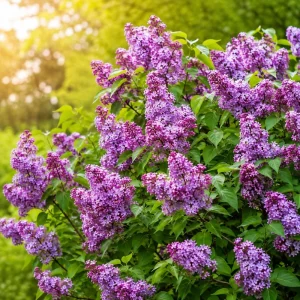
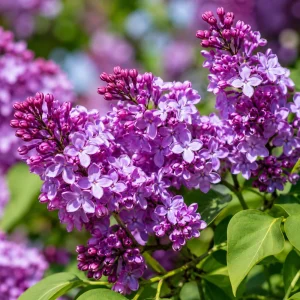
Purple Lilac Live Plant, Fragrant Flowering Shrub, 3-5 Inch Tall, 4 Inch Pot
Original price was: $40.99.$20.99Current price is: $20.99.
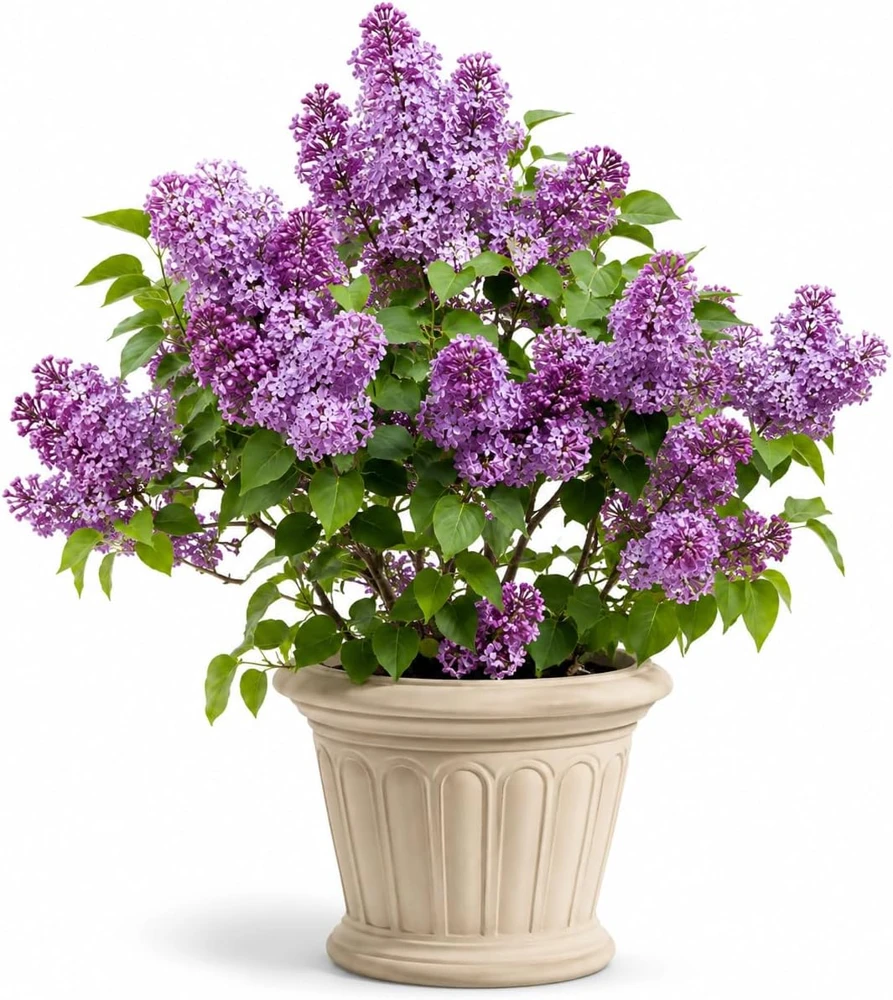
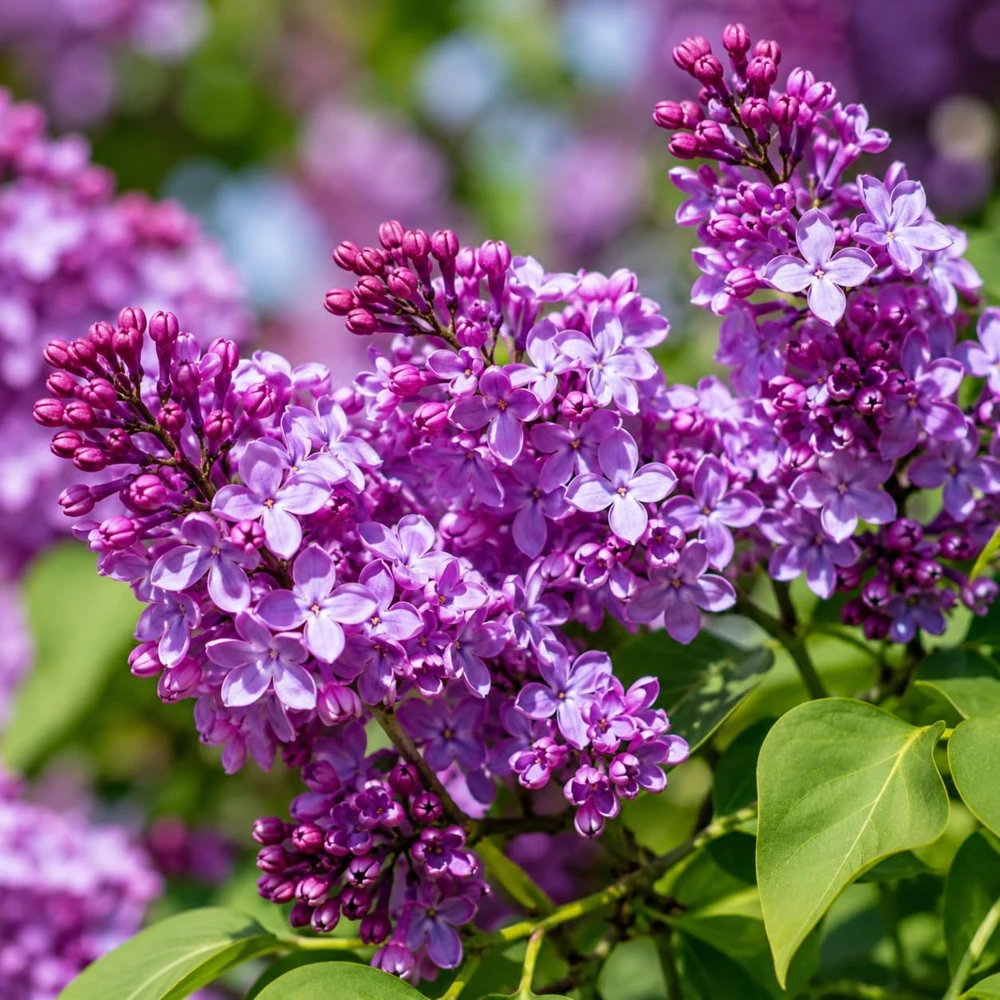
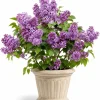
Bring enchanting fragrance and beauty to your home garden with this purple lilac live plant. Standing 3-5 inches tall in a 4-inch pot, this shrub produces beautiful purple flowers in mid to late spring, perfect for creating a stunning outdoor display. Ideal for USDA Zones 3-7.
Estimated arrival
Oct 16
Oct 21 - Oct 23
Oct 26 - Oct 30

Reasonable Price
We offer reasonable price

Support 24/7
Contact us 24 hrs a day

100% Money Back
You've 30 days to Return

Payment Secure
100% secure payment
Overview
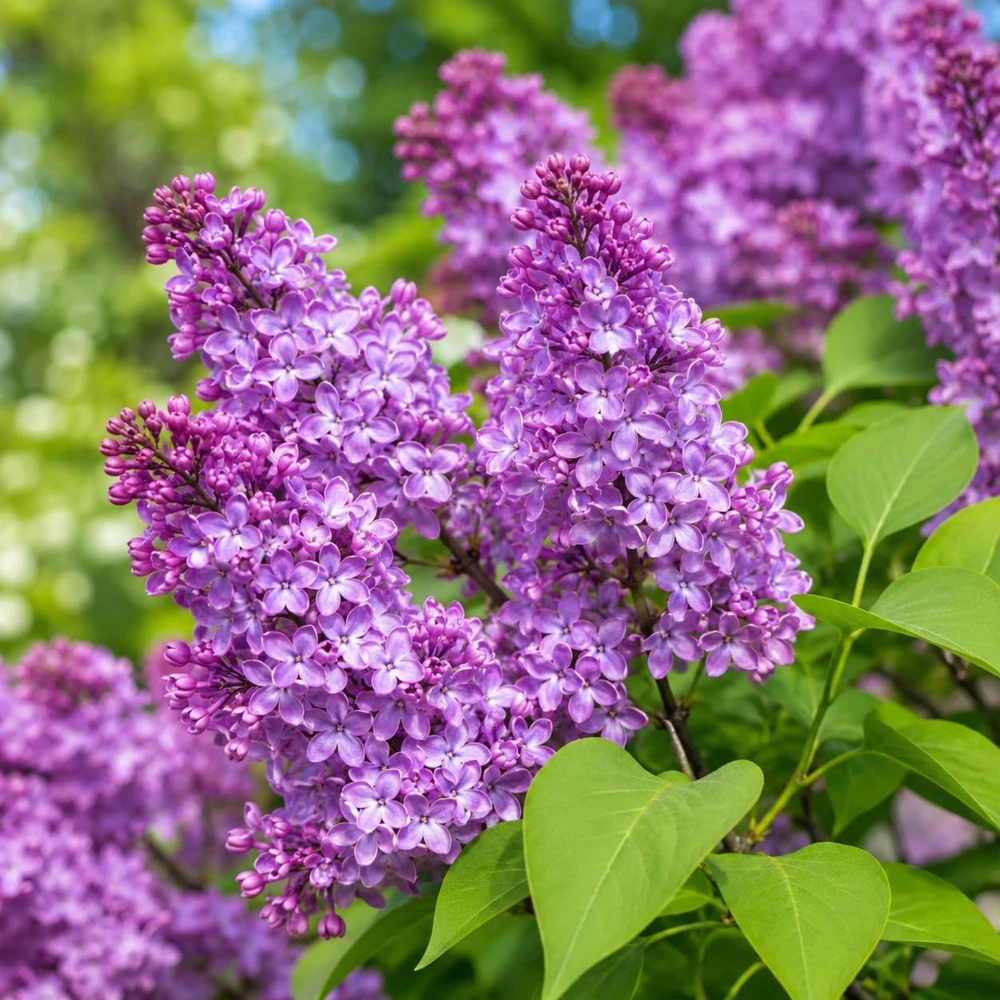
Transform your outdoor space with the timeless charm of a purple lilac live plant. Revered for its intoxicating fragrance and vibrant purple blooms, this popular flowering shrub is a must-have for any garden enthusiast. Our live plants arrive ready for planting, carefully nurtured to ensure a smooth transition to your landscape. Lilacs, scientifically known as Syringa vulgaris, are deciduous shrubs celebrated for their dense clusters of small, highly fragrant flowers that appear in mid to late spring. This particular variety promises a stunning display of purple hues, adding a touch of elegance and a delightful aroma to your garden. Whether you’re looking to create a fragrant border, a beautiful hedge, or a striking focal point, this fragrant lilac plant is an excellent choice for gardeners in USDA Zones 3-7, offering years of enjoyment and seasonal beauty.
This purple lilac live plant is supplied in a 4-inch pot, standing approximately 3-5 inches tall, making it a manageable size for planting directly into your garden or a larger container. Its robust nature ensures it establishes well, providing a reliable source of color and fragrance each spring. The ease of care and adaptability of lilacs make them suitable for both experienced gardeners and those just starting out. Prepare to be enchanted by the sweet perfume that drifts through your garden as these beautiful purple flowers unfurl, attracting pollinators and delighting senses. Consider adding this classic shrub to your garden for an enduring display of spring splendor.
Key Benefits
Investing in a purple lilac live plant brings a multitude of benefits to your garden and home environment. These shrubs are not only visually appealing but also offer a sensory experience that is truly unique.
- Exquisite Fragrance: One of the most cherished qualities of lilacs is their incredibly sweet and captivating fragrance. The perfume from these purple blossoms can fill your entire garden, creating a delightful and inviting atmosphere during spring.
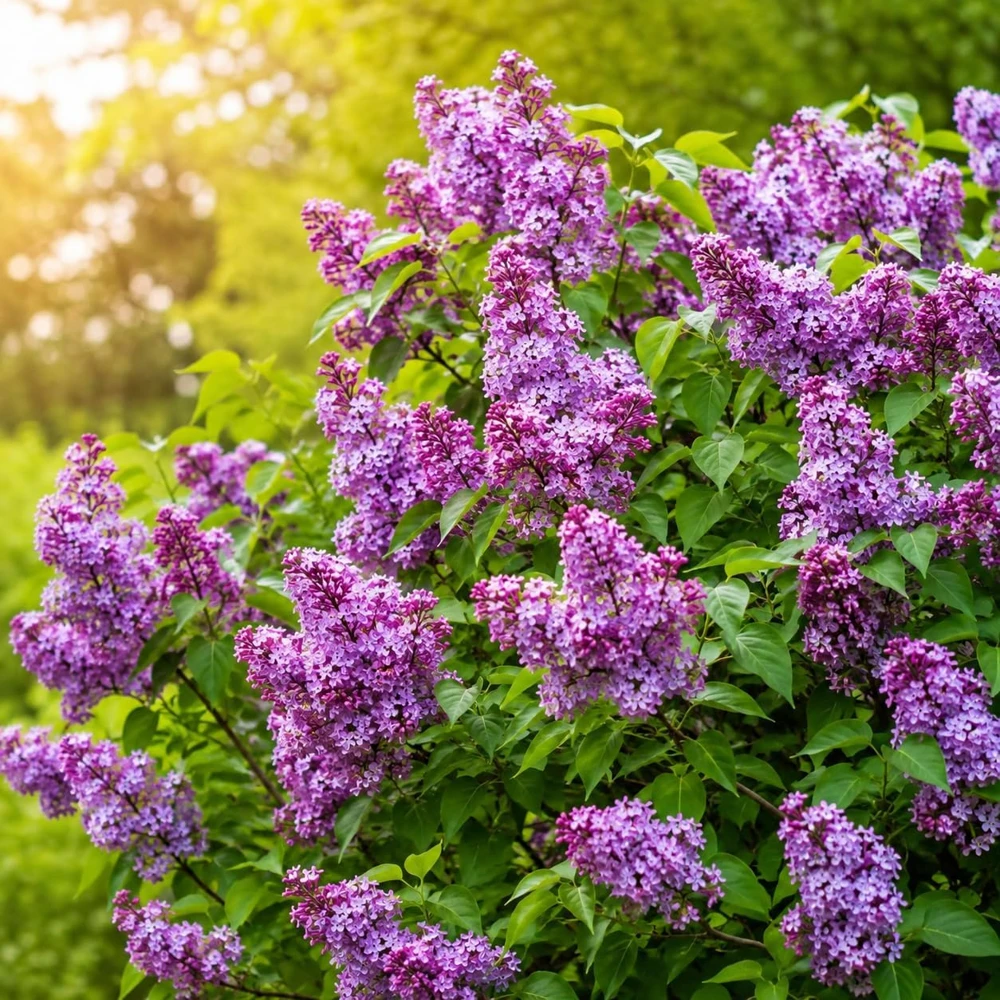
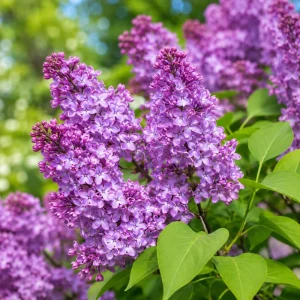
- Stunning Visual Appeal: The vibrant purple flower clusters provide a spectacular display of color, making the purple lilac live plant a focal point in any garden design. They add depth and beauty to borders, hedges, or as stand-alone specimens.
- Attracts Pollinators: The fragrant flowers are a magnet for beneficial pollinators such as bees and butterflies, contributing to the biodiversity and health of your garden ecosystem. This helps support local wildlife and ensures other plants are pollinated.
- Low Maintenance: Once established, lilac bushes are relatively low maintenance, requiring minimal care to thrive. They are drought-tolerant and resilient, making them a great choice for gardeners seeking beauty without constant upkeep, especially when growing lilac bushes.
- Versatile Landscaping: Lilacs can be used in various landscape settings, from formal gardens to informal cottage gardens. They are excellent for hedges, privacy screens, foundation plantings, or as specimen plants that stand out.
- Hardy and Resilient: This fragrant lilac plant is known for its hardiness, thriving in a wide range of climates (USDA Zones 3-7) and enduring various weather conditions once established. This makes them a reliable addition to many regions.
- Cut Flower Potential: The beautiful and fragrant blooms make excellent cut flowers, allowing you to bring the beauty and scent of your garden indoors to enjoy.
Plant Care & Growing Tips
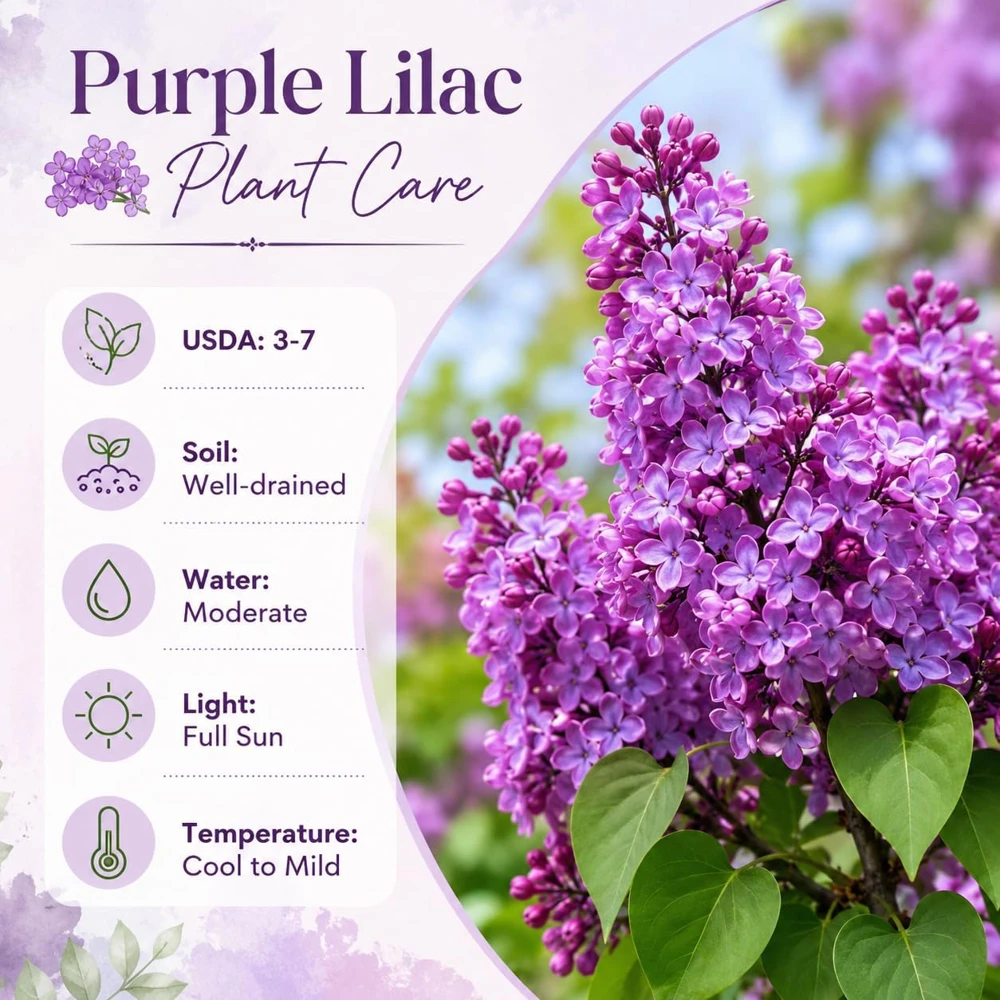
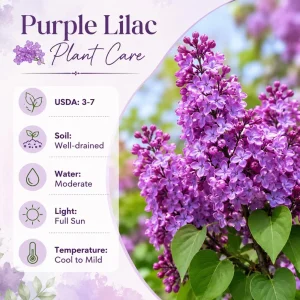
Proper care is essential for your purple lilac live plant to flourish and produce abundant, fragrant blooms. Lilacs are generally easy to care for, but understanding their specific needs will ensure their long-term health and vigor. They thrive in full sun, meaning they need at least 6 hours of direct sunlight per day to achieve the best flowering. While they can tolerate some partial shade, too little sun can result in fewer flowers and a leggy growth habit. When considering lilac care tips, soil quality is paramount. Lilacs prefer well-draining soil that is rich in organic matter. A slightly alkaline to neutral pH (6.5-7.0) is ideal. Avoid heavy, waterlogged soils, as this can lead to root rot. If your soil is heavy clay, amend it with compost or other organic material to improve drainage.
Watering is crucial during the establishment phase. After planting, water regularly to keep the soil consistently moist but not saturated. Once established, lilacs are quite drought-tolerant and generally only require deep watering during extended dry periods. Overwatering can be detrimental. Fertilize in early spring with a balanced, slow-release fertilizer or a fertilizer formulated for flowering shrubs, but avoid excessive nitrogen, which can promote leafy growth at the expense of flowers. Pruning is best done immediately after flowering in late spring or early summer. Remove spent flower clusters, dead or damaged branches, and thin out older, less productive stems to encourage new growth and better air circulation. This helps maintain the shrub’s shape and promotes more vigorous blooming in subsequent years, contributing to the overall health of your purple lilac live plant. Protecting your plant during extreme temperatures is also important, especially in the colder parts of its hardiness zone, though they are quite resilient.
Size & Details
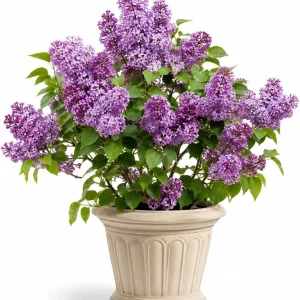
This purple lilac live plant is delivered as a healthy, young specimen, ready for planting. It typically arrives in a 4-inch nursery pot and stands approximately 3-5 inches tall from the base of the soil. This size is ideal for establishing quickly in your garden. Lilacs are moderate growers, and with proper care, they can reach a mature height of 8-15 feet and a spread of 6-12 feet, depending on the variety and growing conditions. The plant you receive is a starter size, allowing you to watch it grow and develop into a magnificent flowering shrub over time. It will produce its first fragrant purple flowers in mid to late spring, typically within the first few years after planting. This particular variety is well-suited for USDA Zones 3-7, making it a robust choice for a wide range of climates. When considering the best lilac for garden, this size offers a great head start.
The plant is shipped in its nursery pot with soil to minimize transplant shock and ensure its health upon arrival. Expect a well-rooted plant that is actively growing. The mature size and growth rate can vary slightly based on local climate, soil conditions, and care practices. This fragrant lilac plant is perfect for adding vertical interest and a burst of color and aroma to your landscape. Its established root system will help it acclimate quickly to its new home, preparing it to produce beautiful blooms for many springs to come. Ensure you have adequate space for its mature size when choosing a planting location.
Frequently Asked Questions
- Q: How big does this purple lilac live plant get? A: This specific plant arrives 3-5 inches tall in a 4-inch pot. With proper care, a mature purple lilac can reach heights of 8-15 feet and spreads of 6-12 feet, depending on the variety and growing conditions.
- Q: Is this an indoor or outdoor plant? A: The purple lilac live plant is an outdoor shrub. It requires full sun exposure and is hardy in USDA Zones 3-7, making it unsuitable for long-term indoor cultivation.
- Q: How much sunlight does it need? A: Lilacs require at least 6 hours of direct sunlight per day to produce the most abundant and fragrant blooms. Less sun will result in fewer flowers and potentially leggy growth.
- Q: Is this plant easy to care for? A: Yes, once established, lilacs are relatively low-maintenance plants. They are drought-tolerant and hardy, making them a good choice for both beginner and experienced gardeners looking into growing lilac bushes.
- Q: What condition will it arrive in? A: Your fragrant lilac plant will arrive as a healthy, live plant in its 4-inch nursery pot with soil, carefully packaged to ensure its safe delivery and readiness for planting.
- Q: How long until it blooms? A: Lilacs typically bloom in mid to late spring. While a young plant may not bloom immediately in its first year, with good care, you can expect beautiful purple flowers within the first few years after planting.
- Q: What is the best time to plant a purple lilac? A: The best time to plant lilacs is in early spring or fall when temperatures are moderate. This allows the plant to establish its root system before extreme summer heat or winter cold.
- Q: Will it survive winter in my zone? A: Yes, this purple lilac live plant is hardy in USDA Zones 3-7, meaning it is well-equipped to survive cold winters within this range. Proper mulching can further protect roots in colder zones.
- Q: What kind of soil does it prefer? A: Lilacs prefer well-draining soil that is rich in organic matter. A slightly alkaline to neutral pH is ideal. Avoid heavy, waterlogged soils.
- Q: Is this the best lilac for garden fragrance? A: Purple lilacs are highly renowned for their strong, sweet fragrance, making them an excellent choice if you’re prioritizing scent in your garden.
Be the first to review “Purple Lilac Live Plant, Fragrant Flowering Shrub, 3-5 Inch Tall, 4 Inch Pot”
-
USDA Hardiness Zone
3-7 -
Soil Type
Well-draining soil -
Sunlight Exposure
Full sun -
Expected Planting Period
Mid to late spring
People Also Viewd
Sold 134 products
Original price was: $3,536.00.$23.99Current price is: $23.99.
Sold 132 products
Original price was: $27.00.$24.00Current price is: $24.00.
Sold 132 products
Original price was: $89.99.$64.99Current price is: $64.99.

Sold 125 products
Original price was: $86.99.$66.99Current price is: $66.99.
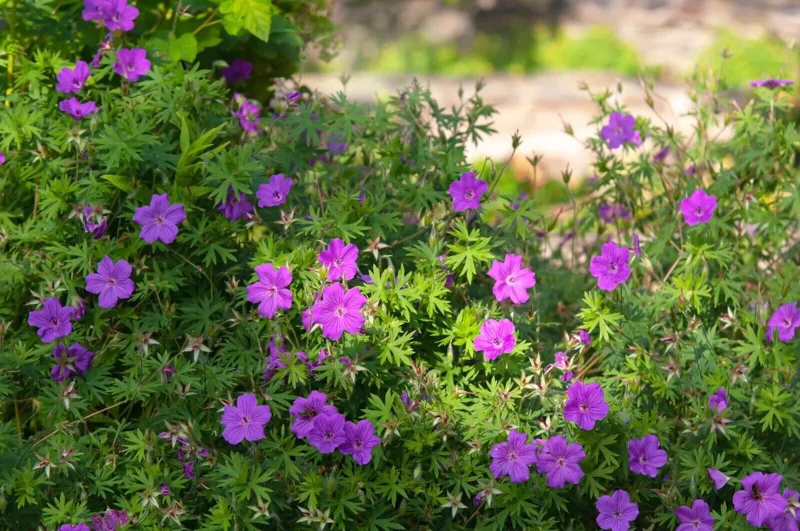
Flower Bulbs
3 Cranesbill Wild Geranium Organic Maculatums Bare Roots | Wildflower for Outdoor Garden
Sold 116 products
Original price was: $21.99.$9.99Current price is: $9.99.
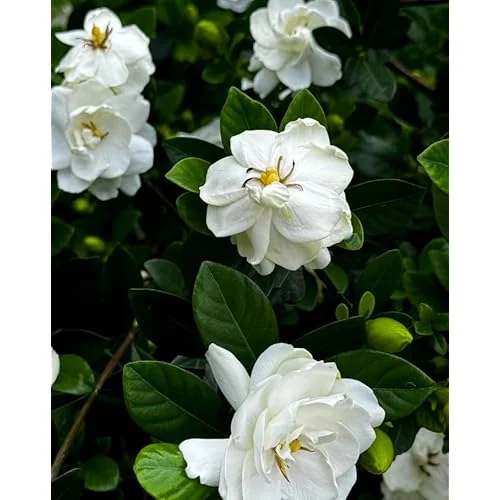
Sold 114 products
Original price was: $28.99.$17.99Current price is: $17.99.
Sold 110 products
Original price was: $63.99.$28.99Current price is: $28.99.
Sold 108 products
Original price was: $28.99.$17.99Current price is: $17.99.RELATED posts
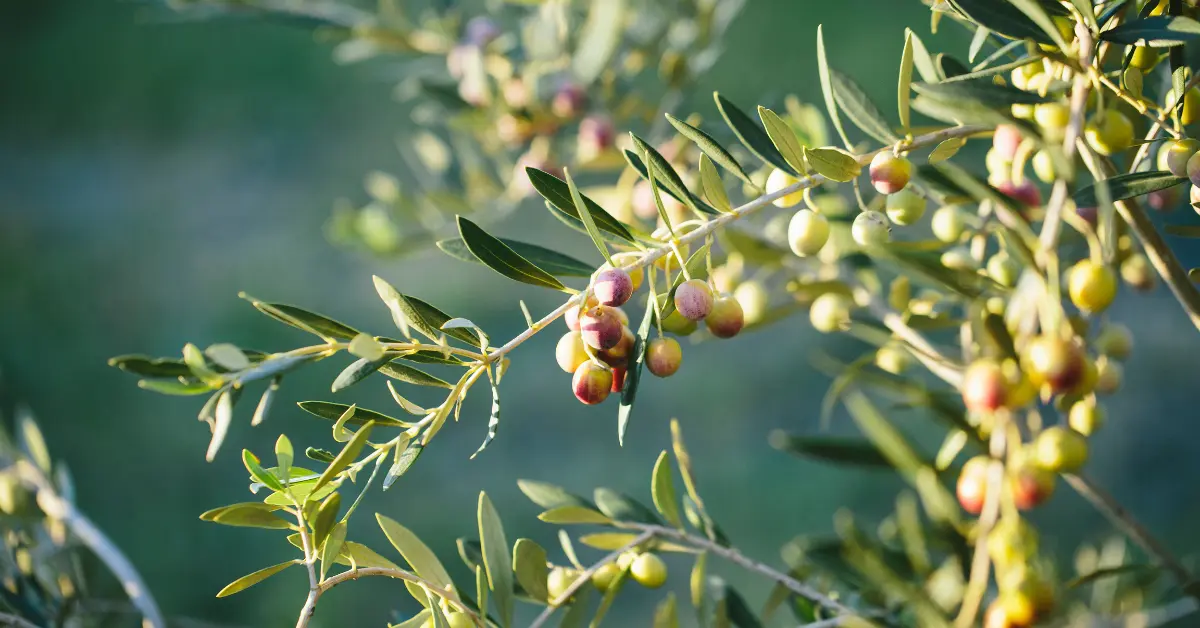
How to Grow Arbequina Olive Trees: The Ultimate Guide to Your Own Olive Grove
Arbequina Olive Tree (Olea europaea ‘Arbequina’) – the ultimate Mediterranean plant that brings a touch [...]
Oct
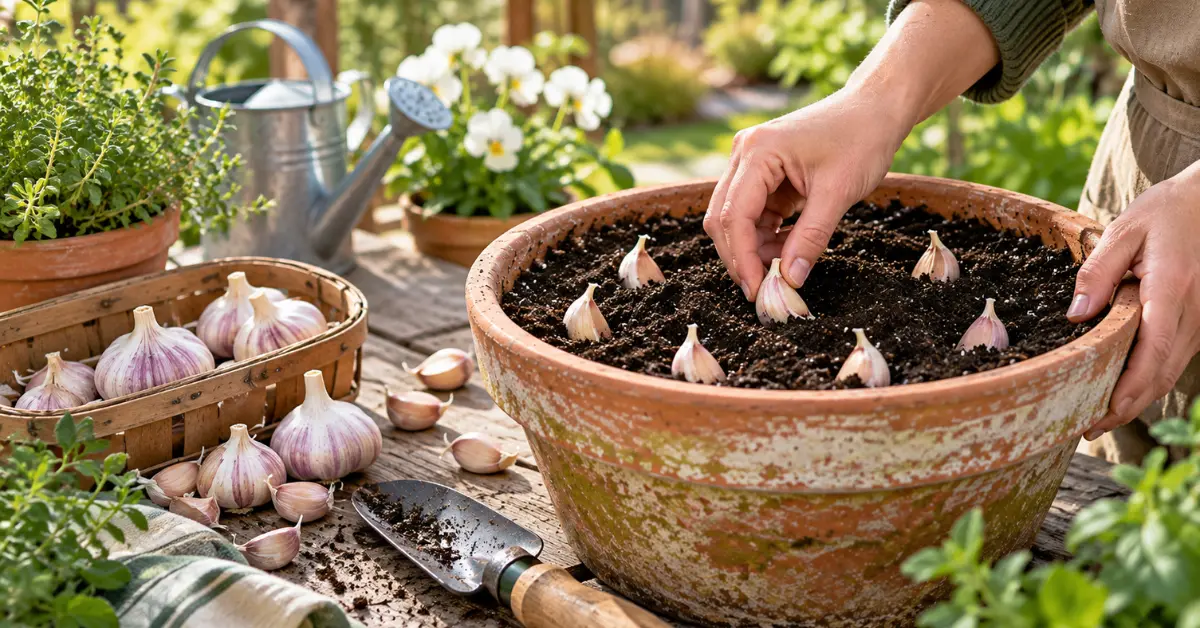
Growing Garlic in Containers This Fall: A Complete Guide for Beginners
If you’ve ever wanted to pop fresh, aromatic garlic cloves straight from your own patio [...]
Sep
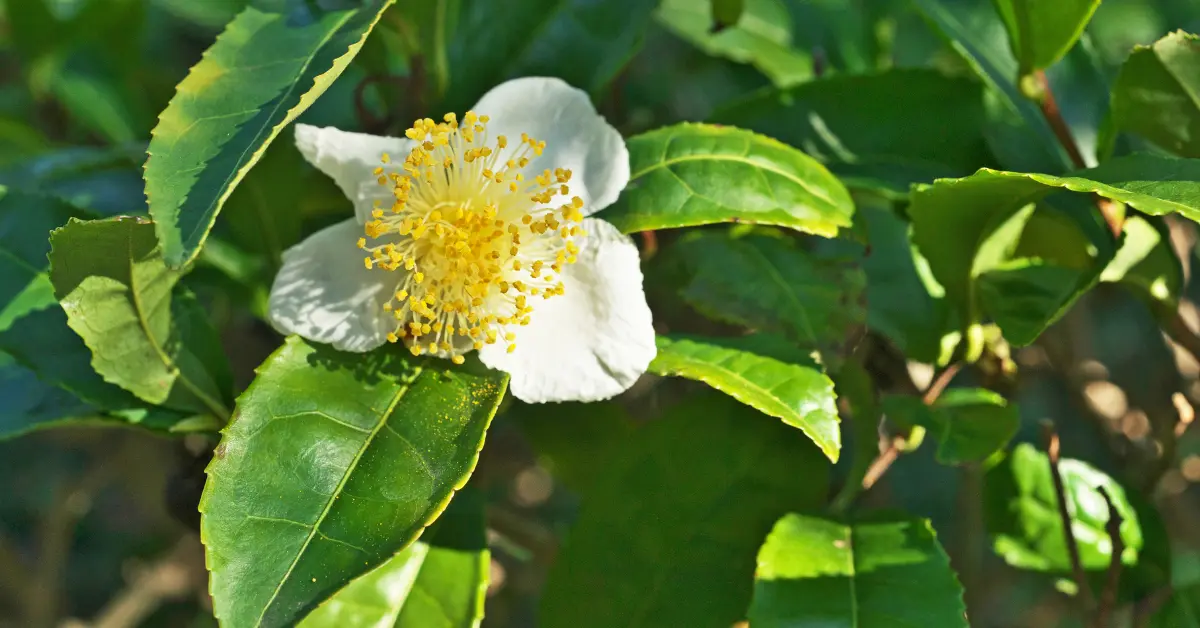
Growing Camellia Sinensis (Tea Plants) in Containers: A Complete Guide for Beginners
If you’ve ever wanted to sip a steaming, homegrown cup of fresh green, black, or [...]
Aug
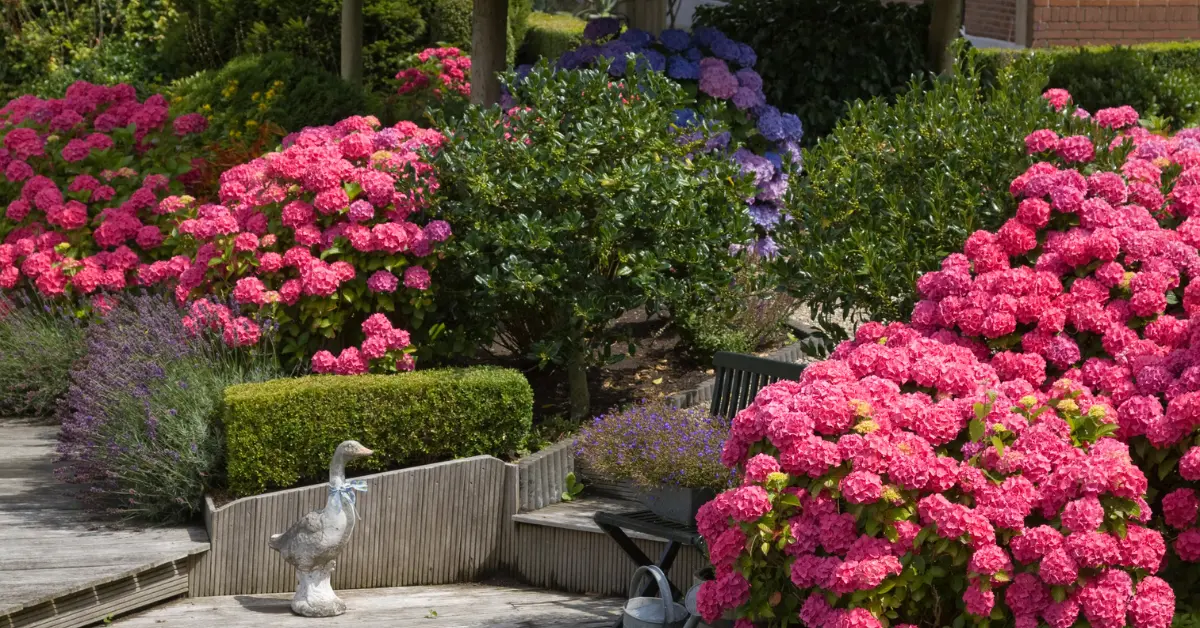
6 Best Shrubs to Plant in August You Must Try
Have you ever walked through a nursery late in the summer, admired the vibrant shrubs [...]
Aug

Growing Everbearing Strawberries in Containers: A Complete Guide for Beginners
Want to grow sweet, fresh strawberries but do not have a large garden? Everbearing strawberries [...]
Aug
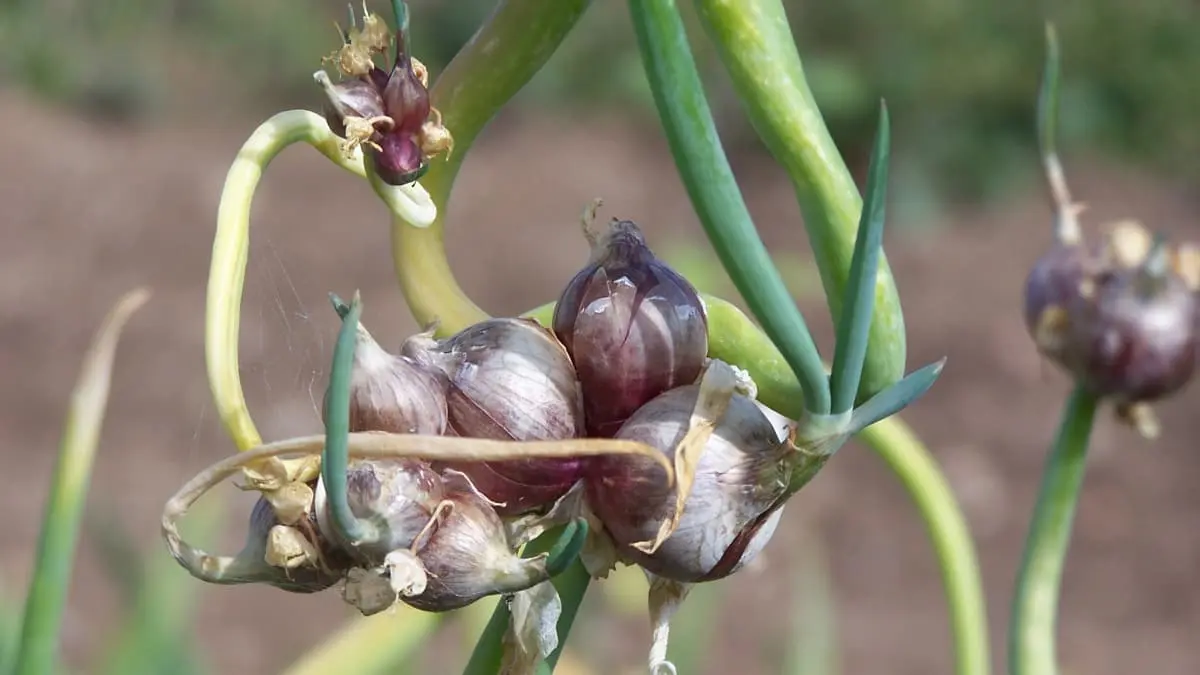
Growing Egyptian Walking Onions in Containers: A Complete Guide for Beginners
If you’re looking for a hardy, no-fuss perennial onion that keeps on giving year after [...]
Jul
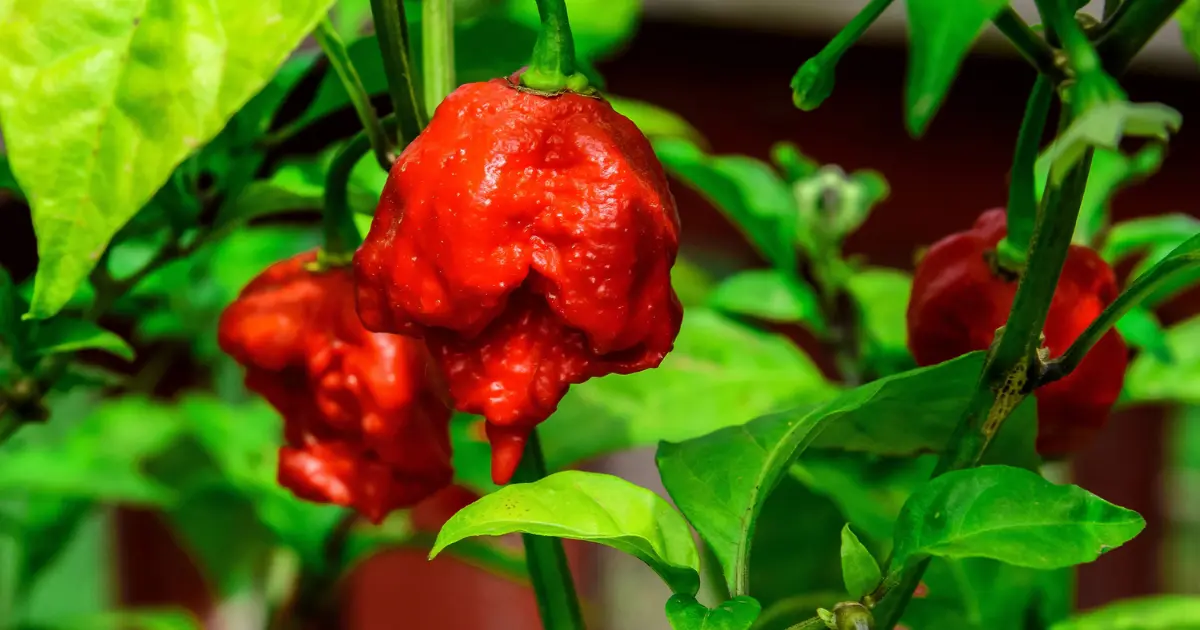
Growing Carolina Reaper Peppers in Pots: A Complete Guide for Beginners
If you’ve ever wanted to add some serious, record-breaking heat to your home cooking, you’ve [...]
May
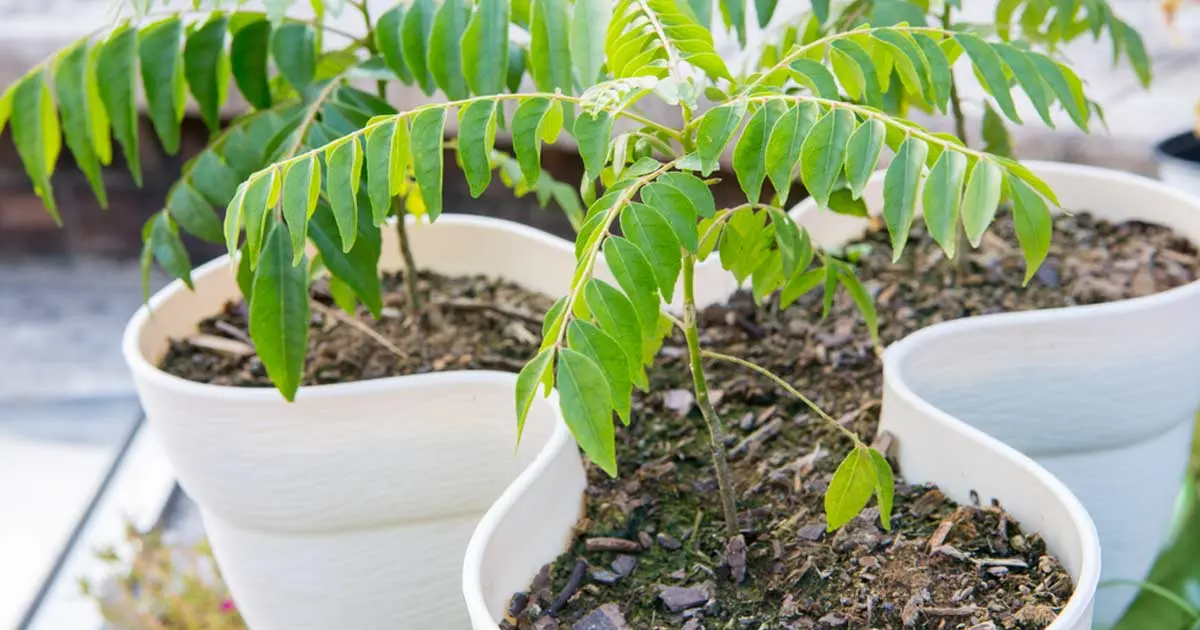
Growing Curry Leaf Plant in Pots: A Complete Guide for Beginners
If you’re a fan of authentic South Asian cuisine, you already know that nothing compares [...]
May
Reviews
There are no reviews yet.