
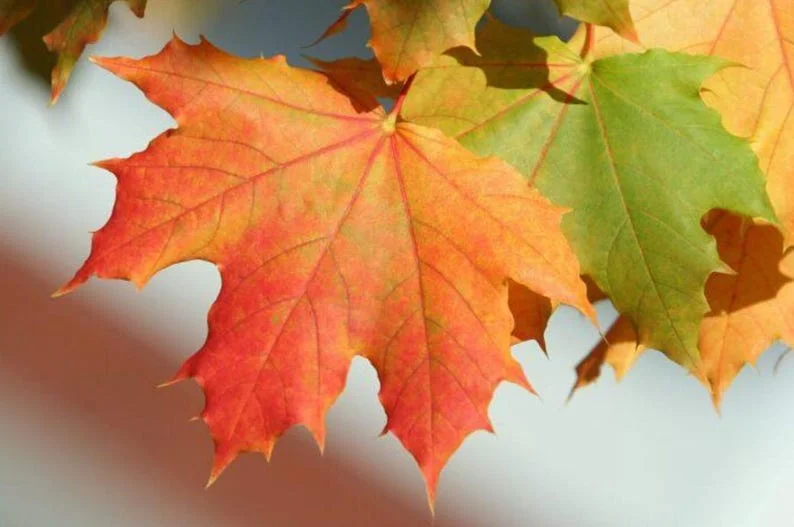
Red Maple Tree – Live Plant – Native Shade Tree – Brilliant Fall Color
Original price was: $39.98.$19.99Current price is: $19.99.
Bring vibrant fall color and cooling shade to your landscape with the Red Maple Tree live plant. This native species, also known as Acer rubrum tree, offers stunning red foliage and a robust growth habit, making it an excellent choice for a variety of garden styles.
Estimated arrival
Sep 17
Sep 22 - Sep 24
Sep 27 - Oct 01

Reasonable Price
We offer reasonable price

Support 24/7
Contact us 24 hrs a day

100% Money Back
You've 30 days to Return

Payment Secure
100% secure payment
Overview
Transform your outdoor space with a magnificent Red Maple Tree live plant. Celebrated for its breathtaking autumn display, the native Red Maple Tree (Acer rubrum) is a deciduous tree that offers year-round appeal. From its delicate red flowers in early spring to its brilliant crimson and scarlet leaves in fall, this tree is a true landscape showstopper. Known for its strong, adaptable nature, the Red Maple is a popular choice for homeowners and landscapers seeking a reliable and beautiful shade tree. It thrives in a wide range of climates and soil conditions, making it an excellent addition to almost any garden.
The Red Maple Tree live plant is more than just a pretty face; it’s a robust and relatively fast-growing tree that provides significant ecological benefits, supporting local wildlife. Its dense canopy offers welcome shade during hot summer months, reducing energy costs and providing a comfortable outdoor living space. Investing in an Acer rubrum tree means adding a touch of natural elegance and vibrant seasonality to your property.
Key Benefits
Choosing a Red Maple Tree live plant for your garden brings a multitude of advantages, enhancing both the aesthetic and ecological value of your property. Its versatility and stunning appearance make it a favorite among garden enthusiasts.
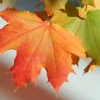
- Spectacular Fall Foliage: Experience an unparalleled display of fall colors, ranging from fiery reds to deep oranges and yellows. The Red Maple fall color is among the most vibrant of any deciduous tree, making it a focal point in any autumn landscape.
- Excellent Shade Provider: With its broad canopy, the Red Maple Tree live plant offers ample shade, perfect for cooling your home and creating comfortable outdoor living areas during warm weather. This can lead to energy savings and increased enjoyment of your yard.
- Native and Adaptable: As a native Red Maple Tree, it is well-suited to various North American climates and soil types, demonstrating remarkable resilience and ease of establishment once planted. This adaptability reduces the effort required for maintenance.
- Fast Growing: Enjoy a relatively quick growth rate, meaning you won’t have to wait long to see your young tree mature into a stately specimen. This rapid development makes it ideal for new landscapes or areas needing quick coverage.
- Early Spring Interest: Before its leaves emerge, the Acer rubrum tree produces clusters of small, attractive red flowers, providing an early burst of color and signaling the arrival of spring. These flowers also attract early pollinators.
- Wildlife Habitat: The Red Maple provides food and shelter for various birds and small animals, contributing to the biodiversity of your garden ecosystem. Its seeds are a food source for many species.
- Low Maintenance: Once established, this shade tree Red Maple requires minimal care, making it a great choice for both experienced gardeners and those new to tree planting. It’s generally disease-resistant and tolerant of urban conditions.
Plant Care & Growing Tips
Caring for your Red Maple Tree live plant is straightforward, especially given its adaptable nature. Proper initial planting and consistent care in its early years will ensure a healthy, thriving tree that provides beauty for decades. Understanding its needs will help you maximize its growth and vibrant display.
Sunlight requirements: The native Red Maple Tree thrives best in full sun to partial shade, meaning it prefers at least 6 hours of direct sunlight per day. While it can tolerate some shade, more sun generally leads to more intense fall colors. Ensure it’s planted in a location where it won’t be overshadowed by larger structures or trees as it matures. For optimal growth and the most striking Red Maple fall color, a sunny spot is highly recommended.
Watering schedule and soil moisture preferences: Young Acer rubrum tree specimens require regular watering, especially during their first few growing seasons, to establish a strong root system. Aim for deep watering 2-3 times per week, ensuring the soil remains consistently moist but not waterlogged. Once established, Red Maples are fairly drought-tolerant but will benefit from supplemental watering during prolonged dry periods. Good drainage is crucial to prevent root rot; ensure the area around the tree doesn’t collect standing water.
Soil type and drainage requirements: This adaptable shade tree Red Maple can tolerate a wide range of soil types, from clay to sandy loams, but it prefers slightly acidic, well-draining soil rich in organic matter. If your soil is heavy clay, amend it with compost or other organic materials to improve drainage and aeration. For alkaline soils, consider incorporating peat moss or elemental sulfur to lower the pH, as Red Maples can develop chlorosis (yellowing leaves) in highly alkaline conditions. A soil test can help determine your specific soil needs.
Temperature range and USDA hardiness zone: The Red Maple Tree live plant is remarkably cold-hardy and is typically suited for USDA Zones 3 through 9. It can withstand freezing winter temperatures and hot summers. However, extreme heat combined with drought can stress young trees, so consistent watering is important in warmer climates. Protect young trees from harsh winter winds where temperatures are consistently at the lower end of its hardiness range.
Fertilization schedule and type: Fertilize your Red Maple Tree live plant in early spring before new growth begins. Use a balanced, slow-release granular fertilizer formulated for trees and shrubs. Follow the product’s instructions for application rates based on the tree’s size. Avoid over-fertilizing, which can burn roots. Once established, mature Red Maples often require less frequent fertilization, perhaps every 2-3 years, unless soil tests indicate a specific nutrient deficiency. Always water thoroughly after applying fertilizer.
Common problems and solutions: Red Maples are generally robust, but they can occasionally face issues. Pests like aphids or scale can be managed with horticultural oil or insecticidal soap. Diseases such as verticillium wilt, while rare, can be serious; ensure good drainage and avoid overwatering to prevent fungal issues. Chlorosis, characterized by yellowing leaves with green veins, can occur in alkaline soils; addressing soil pH as mentioned above can correct this. Regular inspection for any signs of distress will help you address problems early.
Size & Details
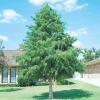
The Red Maple Tree live plant is a medium to large deciduous tree, typically reaching heights of 40-60 feet with a spread of 30-40 feet at maturity, though some can grow taller. Its growth rate is considered medium to fast, often adding 1-2 feet per year under ideal conditions. When you receive your native Red Maple Tree, it will arrive as a young, healthy specimen, ready for planting. The exact size will vary based on the specific offering, but it will be well-rooted and carefully packaged to ensure safe transit. These trees typically develop a rounded to oval crown, providing significant canopy coverage.
The Acer rubrum tree is known for its strong central leader and well-spaced branches, making it an excellent structural component in any landscape. Expect your tree to begin showing its brilliant Red Maple fall color within the first few years of establishment, with the intensity increasing as the tree matures. It is shipped either as a potted plant with its root ball intact or as a bare root specimen, depending on the season and supplier. Follow the included planting instructions carefully for the best success in establishing your new shade tree Red Maple.
Frequently Asked Questions
- Q: How big does this plant get? A: A Red Maple Tree live plant typically grows to a height of 40-60 feet with a spread of 30-40 feet at maturity. Its size can vary depending on growing conditions and specific cultivar.
- Q: Is this an indoor or outdoor plant? A: The native Red Maple Tree is an outdoor plant, best suited for landscaping. It requires significant space to grow and thrive, and is not suitable for indoor cultivation.
- Q: How much sunlight does it need? A: The Acer rubrum tree prefers full sun to partial shade, ideally receiving at least 6 hours of direct sunlight per day. More sun generally leads to more vibrant Red Maple fall color.
- Q: Is this plant easy to care for? A: Yes, once established, the Red Maple Tree live plant is considered relatively low maintenance. It’s adaptable to various soil types and climates, making it a good choice for many gardeners.
- Q: What condition will it arrive in? A: Your shade tree Red Maple will arrive as a healthy, well-rooted specimen, carefully packaged to ensure its safety during transit. It will be ready for immediate planting upon arrival.
- Q: How long until it shows its brilliant fall color? A: Young Red Maple Tree live plant specimens can start showing their signature fall colors within the first few years of planting, with the intensity and duration of the display improving as the tree matures and establishes itself.
- Q: Will it survive winter in my zone? A: The Red Maple Tree live plant is very cold-hardy, suitable for USDA Hardiness Zones 3-9, meaning it can withstand a wide range of winter temperatures across most of the United States.
- Q: What is the best time to plant a Red Maple Tree? A: The ideal time to plant a Red Maple Tree live plant is in early spring or fall, allowing the tree to establish its root system before the stress of summer heat or deep winter cold.
- Q: Is the Red Maple Tree drought tolerant? A: While young Acer rubrum tree specimens need consistent moisture, established Red Maples are moderately drought-tolerant. However, they will benefit from supplemental watering during extended dry periods to maintain health and vigor.
- Q: Can the Red Maple Tree attract wildlife? A: Yes, the native Red Maple Tree provides valuable habitat and food sources for various wildlife, including birds, squirrels, and other small animals, contributing to local biodiversity.
Be the first to review “Red Maple Tree – Live Plant – Native Shade Tree – Brilliant Fall Color”
-
USDA Hardiness Zone
USDA Zones 3-9 -
Soil Type
Well-draining, slightly acidic soil -
Sunlight Exposure
Full sun to partial shade -
Expected Planting Period
Early spring or fall
People Also Viewd
Sold 134 products
Original price was: $3,536.00.$23.99Current price is: $23.99.
Sold 131 products
Original price was: $27.00.$24.00Current price is: $24.00.
Sold 131 products
Original price was: $89.99.$64.99Current price is: $64.99.
Sold 125 products
Original price was: $86.99.$66.99Current price is: $66.99.
Flower Bulbs
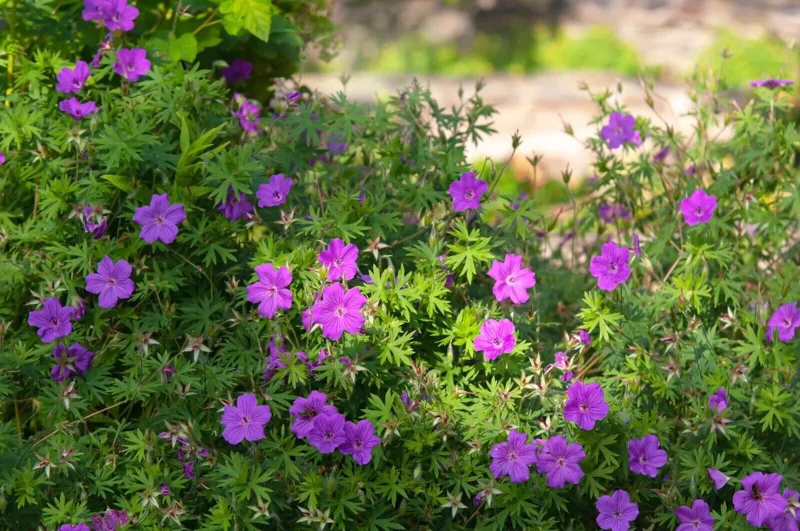
3 Cranesbill Wild Geranium Organic Maculatums Bare Roots | Wildflower for Outdoor Garden
Sold 116 products
Original price was: $21.99.$9.99Current price is: $9.99.
Sold 114 products
Original price was: $28.99.$17.99Current price is: $17.99.
Sold 110 products
Original price was: $63.99.$28.99Current price is: $28.99.
Sold 108 products
Original price was: $28.99.$17.99Current price is: $17.99.RELATED posts
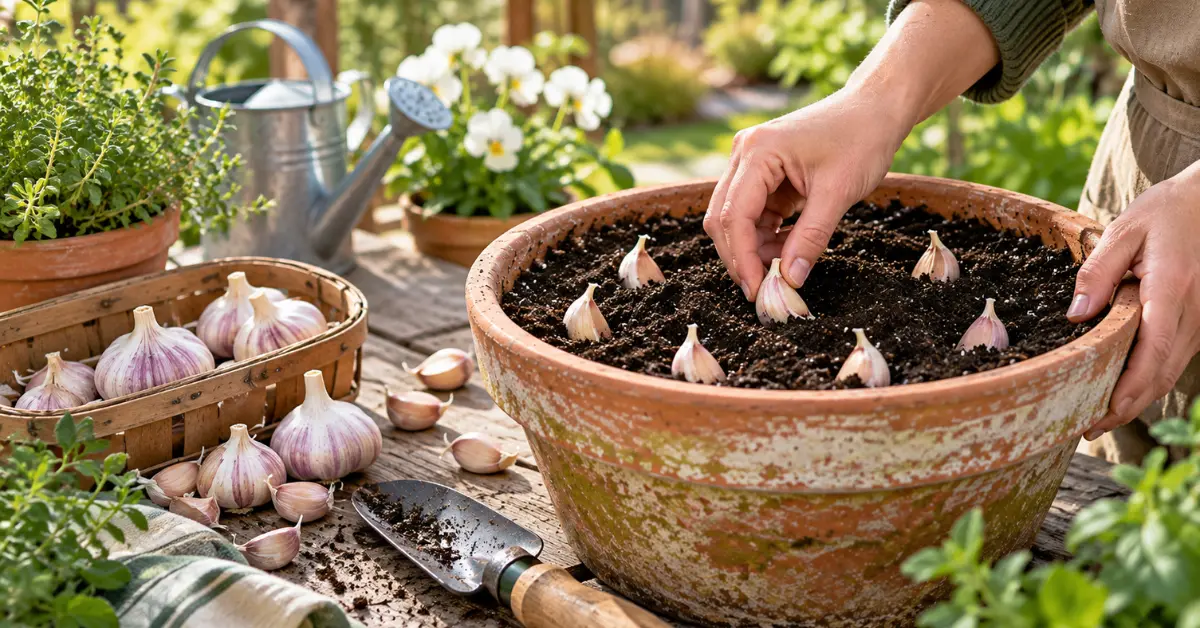
Growing Garlic in Containers This Fall: A Complete Guide for Beginners
If you’ve ever wanted to pop fresh, aromatic garlic cloves straight from your own patio [...]
Sep
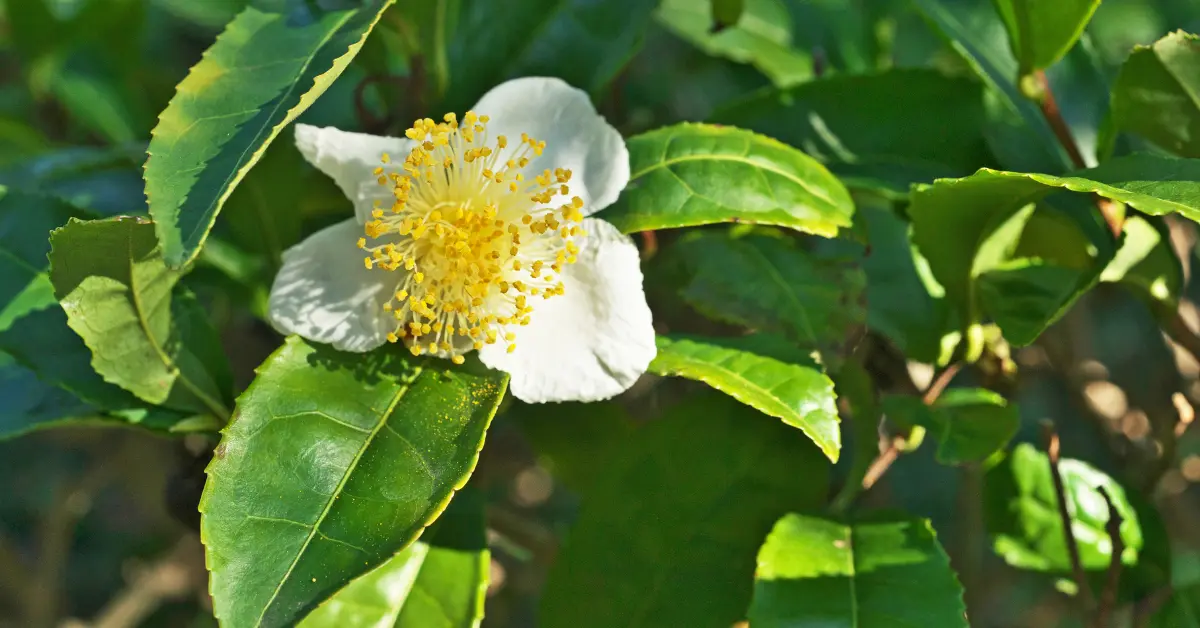
Growing Camellia Sinensis (Tea Plants) in Containers: A Complete Guide for Beginners
If you’ve ever wanted to sip a steaming, homegrown cup of fresh green, black, or [...]
Aug
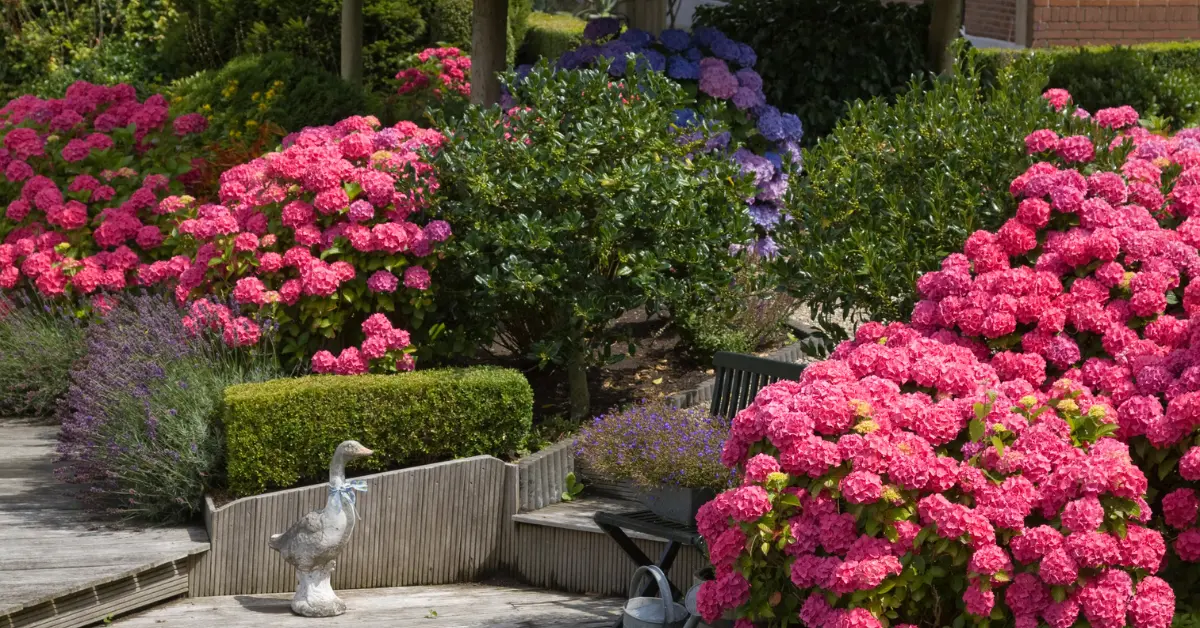
6 Best Shrubs to Plant in August You Must Try
Have you ever walked through a nursery late in the summer, admired the vibrant shrubs [...]
Aug
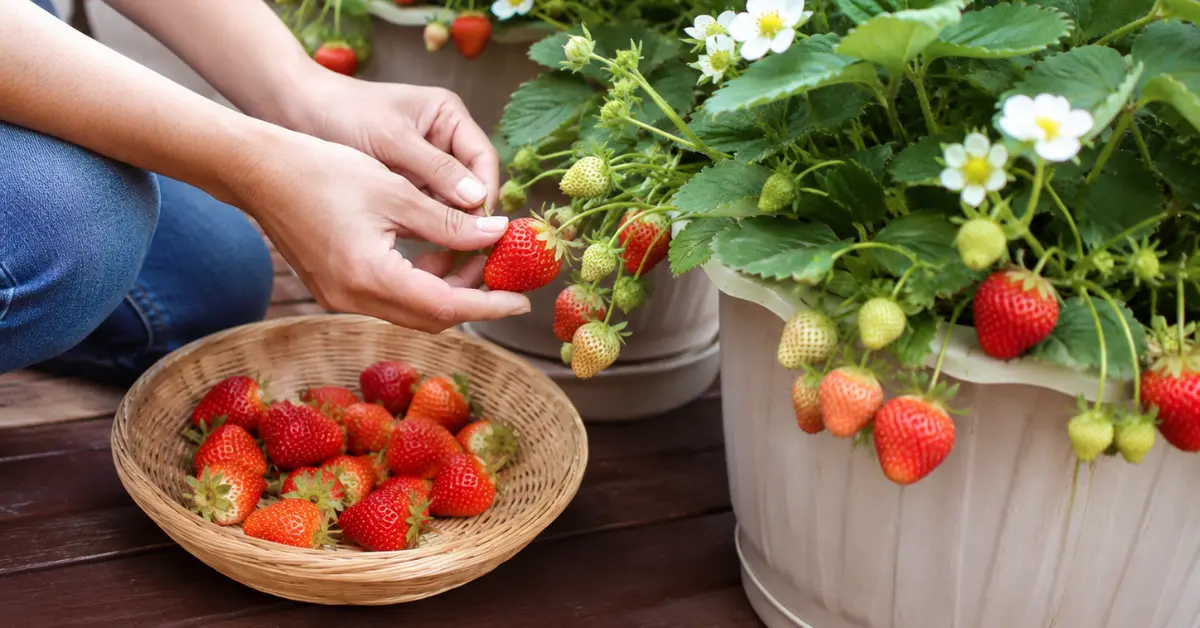
Growing Everbearing Strawberries in Containers: A Complete Guide for Beginners
Want to grow sweet, fresh strawberries but do not have a large garden? Everbearing strawberries [...]
Aug
Growing Egyptian Walking Onions in Containers: A Complete Guide for Beginners
If you’re looking for a hardy, no-fuss perennial onion that keeps on giving year after [...]
Jul
Growing Carolina Reaper Peppers in Pots: A Complete Guide for Beginners
If you’ve ever wanted to add some serious, record-breaking heat to your home cooking, you’ve [...]
May
Growing Curry Leaf Plant in Pots: A Complete Guide for Beginners
If you’re a fan of authentic South Asian cuisine, you already know that nothing compares [...]
May
5 Tips for Growing Carolina Reaper Peppers to Get the Spiciest Harvest Ever
Holding the record for one of the world’s hottest peppers, the Reaper isn’t just a [...]
May
Reviews
There are no reviews yet.