


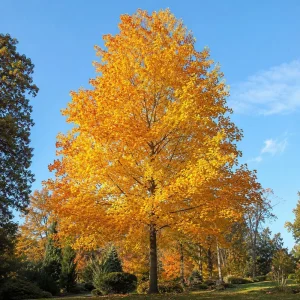
Set of 2 Tulip Poplar Trees Live Plant, 6-12 Inch Tall Seedlings, Quart Pot
Original price was: $60.99.$40.99Current price is: $40.99.
Bring majestic beauty to your landscape with this set of two tulip poplar trees live plant. These 6-12 inch tulip poplar seedlings are ready for planting, growing into stunning shade trees with unique yellow-green flowers.
Estimated arrival
Oct 23
Oct 28 - Oct 30
Nov 02 - Nov 06

Reasonable Price
We offer reasonable price

Support 24/7
Contact us 24 hrs a day

100% Money Back
You've 30 days to Return

Payment Secure
100% secure payment
Overview
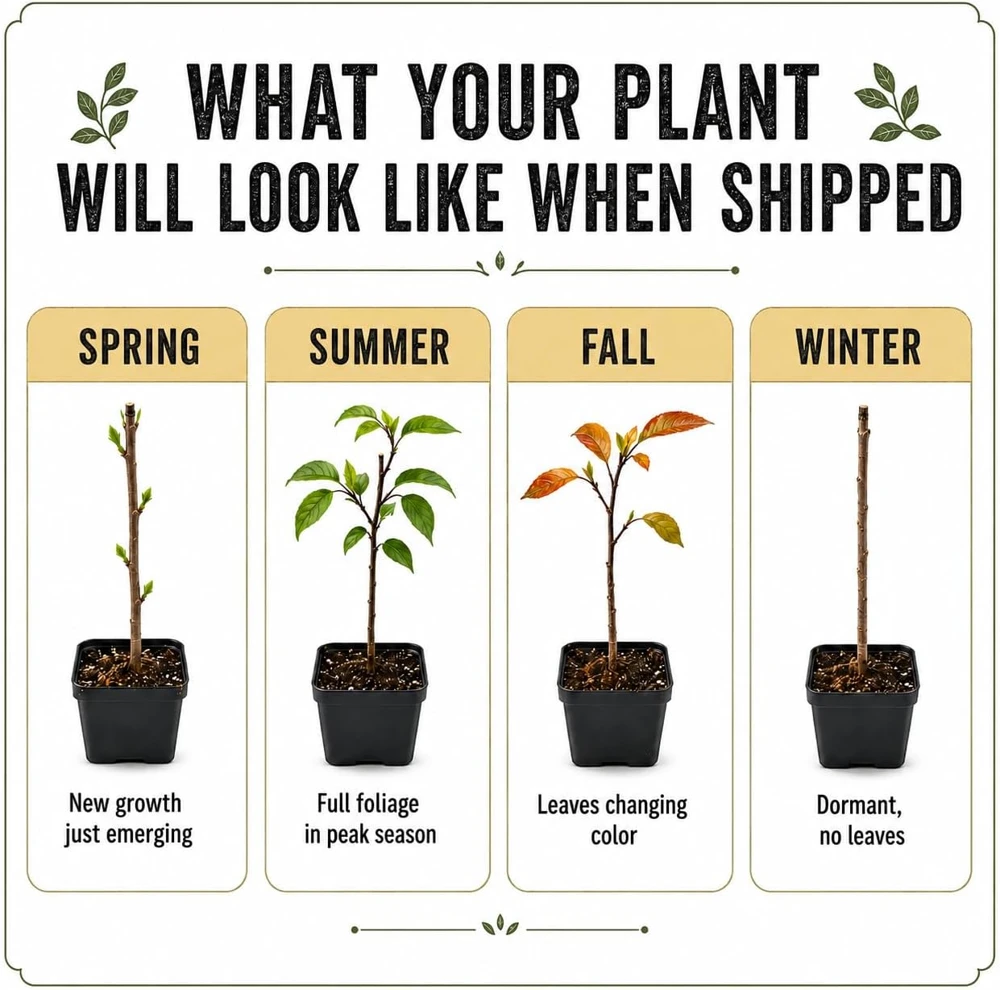
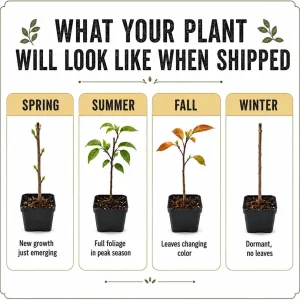
Introduce a touch of grandeur and natural elegance to your property with this exceptional offering: a set of two tulip poplar trees live plant. These young, vibrant tulip poplar seedlings, measuring 6-12 inches tall, are carefully cultivated to ensure a strong start in your home garden. Known scientifically as Liriodendron tulipifera, the tulip poplar is a magnificent native North American tree celebrated for its rapid growth, unique tulip-shaped flowers, and brilliant fall foliage. Ideal for creating natural shade, attracting pollinators, and adding significant aesthetic value, these trees will transform your outdoor space into a thriving ecosystem. Even though they are dormant in winter, these resilient seedlings are poised to burst into life with the arrival of spring, establishing themselves as a cherished part of your landscape for decades to come.
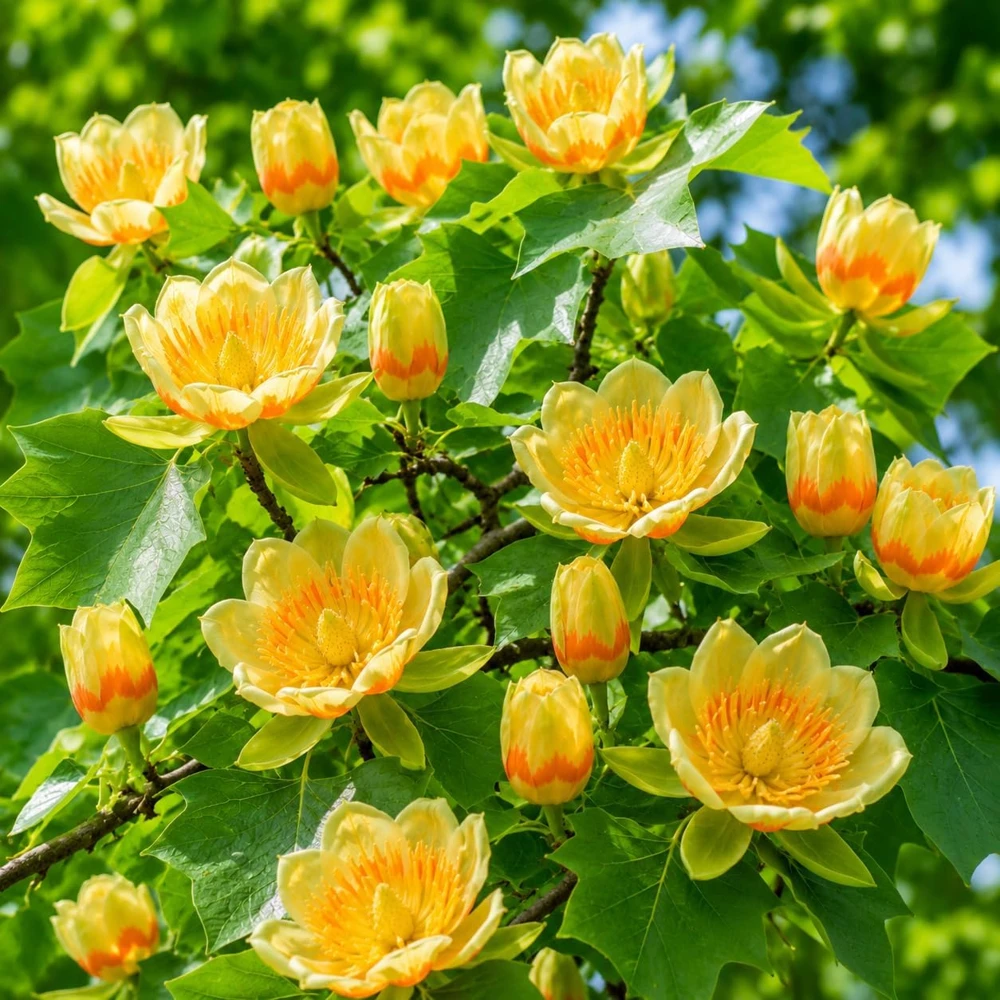
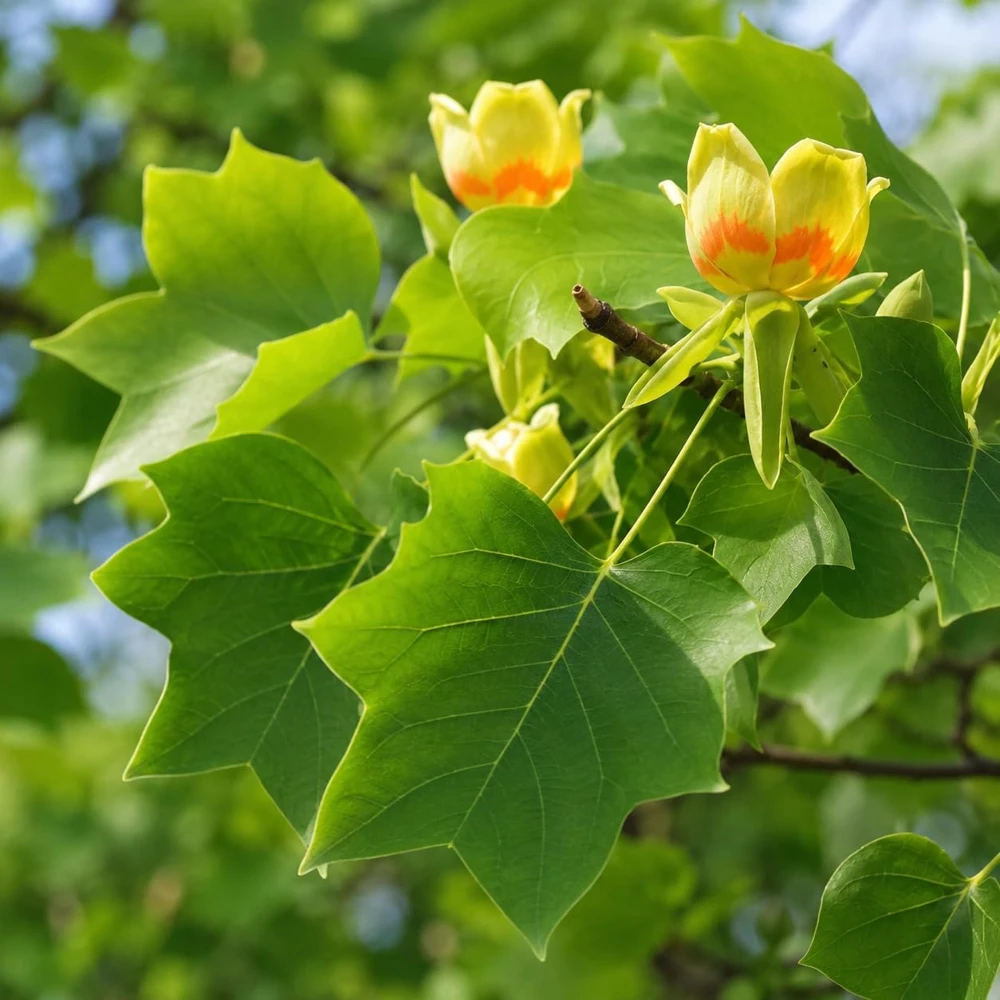
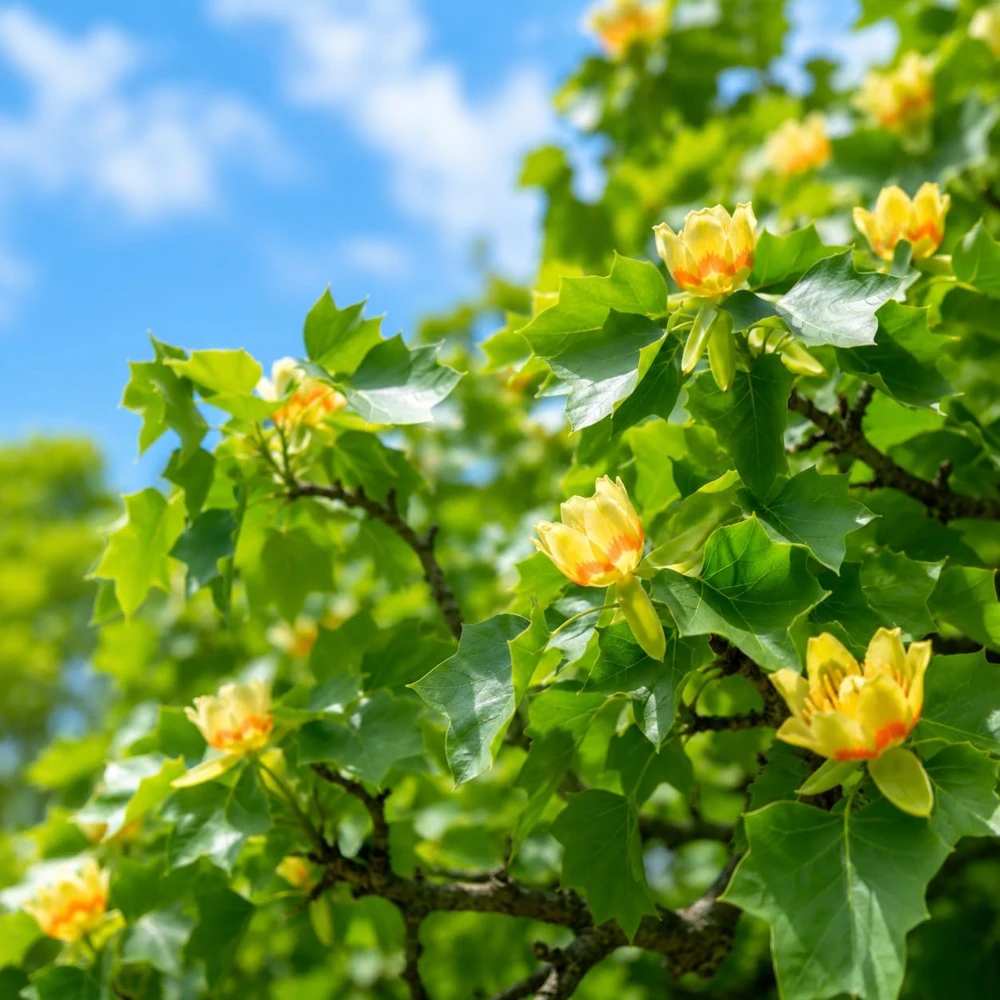
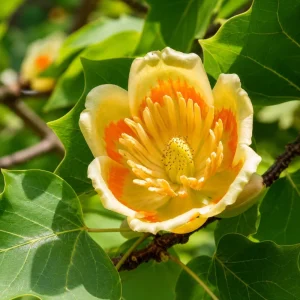
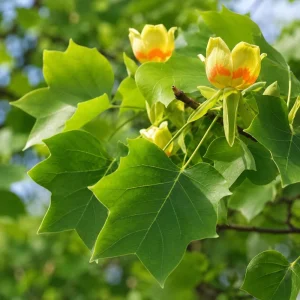
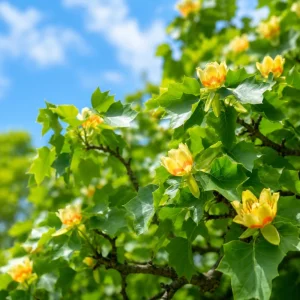
The yellow tulip poplar is distinguished by its distinctive yellow-green, tulip-like blossoms that appear in late spring to early summer, offering a spectacular display that is truly unique among native trees. These blossoms are not only beautiful but also a vital nectar source for bees and other pollinators. With proper care and planting, these seedlings will mature into towering specimens, providing ample shade and a habitat for local wildlife. Their straight trunks and stately form make them an excellent choice for avenues, large lawns, or as a focal point in a spacious garden design. Prepare to witness the impressive development of these beautiful trees.
Key Benefits
Investing in tulip poplar trees live plant for your garden brings a multitude of advantages, enhancing both the beauty and ecological value of your outdoor environment. These trees are not just ornamental; they are a long-term asset to your property and local ecosystem.
- Rapid Growth & Shade: The tulip poplar trees live plant is renowned for its impressively fast growth rate, quickly establishing itself to provide substantial shade and reduce energy costs in warmer months. You’ll enjoy a mature canopy sooner than with many other tree species.
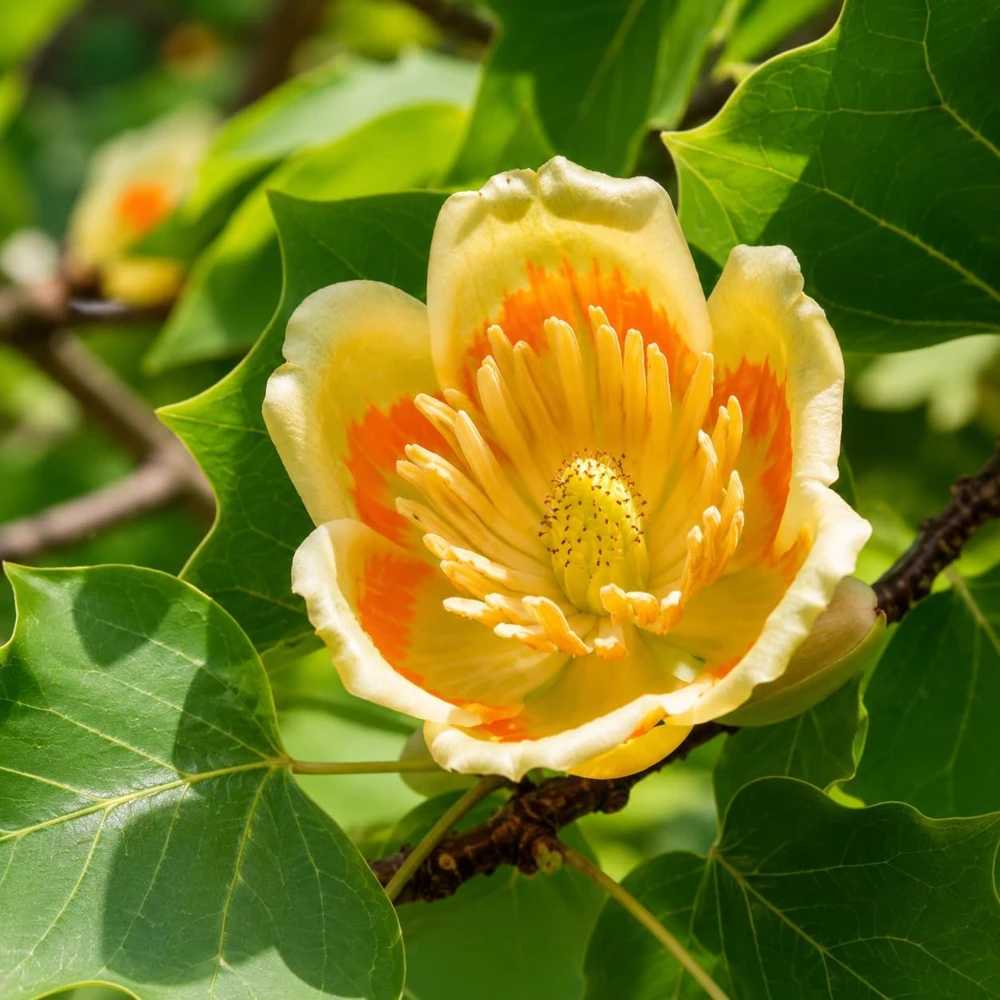
- Unique & Beautiful Flowers: Adorn your garden with the distinctive, cup-shaped, yellow-green flowers that resemble tulips, blooming from late spring to early summer. These blossoms are a true conversation starter and add a unique visual appeal.
- Attracts Pollinators: The nectar-rich flowers of the yellow tulip poplar are a magnet for bees, hummingbirds, and other beneficial pollinators, contributing to the health and biodiversity of your garden.
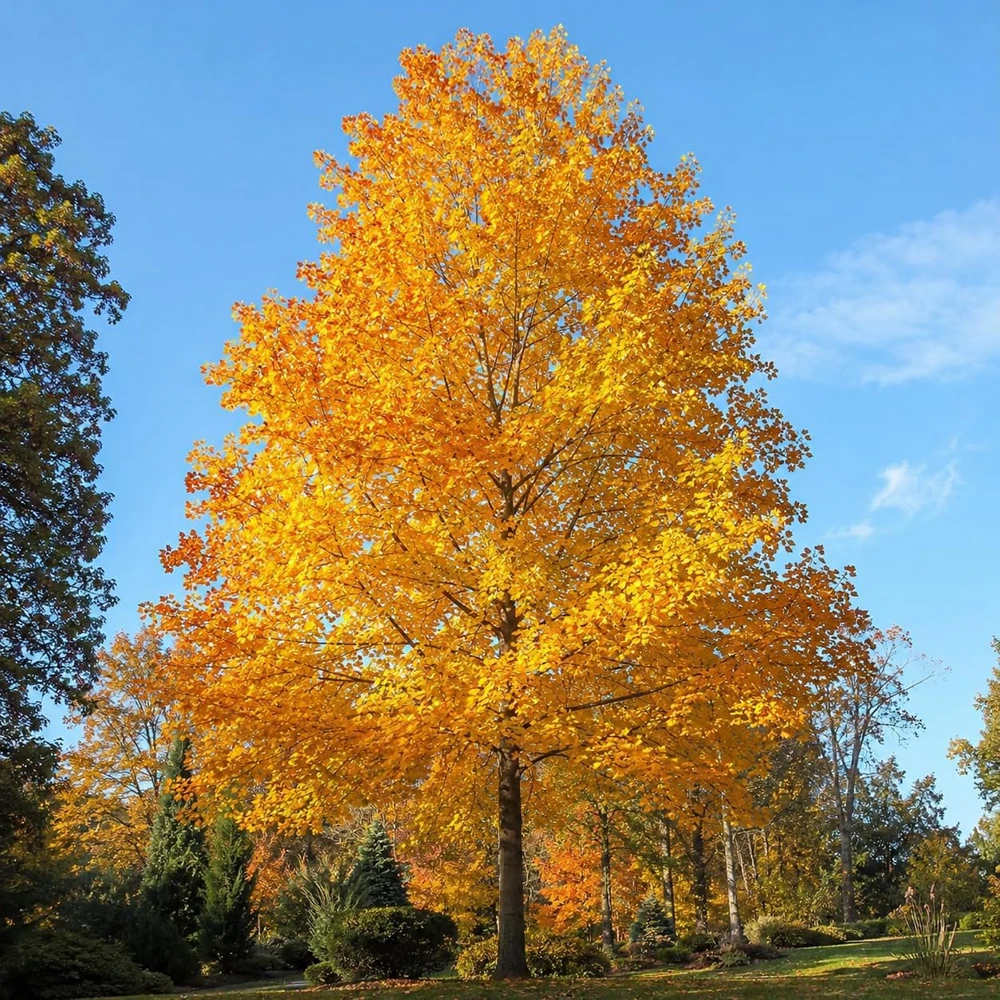
- Stunning Fall Foliage: Experience a vibrant autumn display as the leaves turn a brilliant golden yellow, adding a spectacular burst of color to your landscape before winter sets in.
- Wildlife Habitat: As these tulip poplar seedlings mature, they provide shelter and food for various birds and small animals, fostering a lively and natural environment in your backyard.
- Strong & Durable: The tulip poplar is a hardy and robust tree, known for its resilience and ability to withstand various environmental conditions, ensuring a long lifespan in your garden.
- Air Quality Improvement: Like all large trees, the liriodendron tulipifera helps improve air quality by absorbing carbon dioxide and releasing oxygen, contributing to a healthier environment.
Plant Care & Growing Tips
Caring for your tulip poplar trees live plant is straightforward, especially when you understand their basic needs. These trees thrive with adequate sunlight, consistent moisture, and well-draining soil. Upon arrival, ensure the roots remain moist until planting. Dig a hole twice as wide as the root ball and just as deep, making sure the top of the root ball is level with the surrounding soil. Backfill with native soil, gently tamping down to remove air pockets. Water thoroughly immediately after planting.
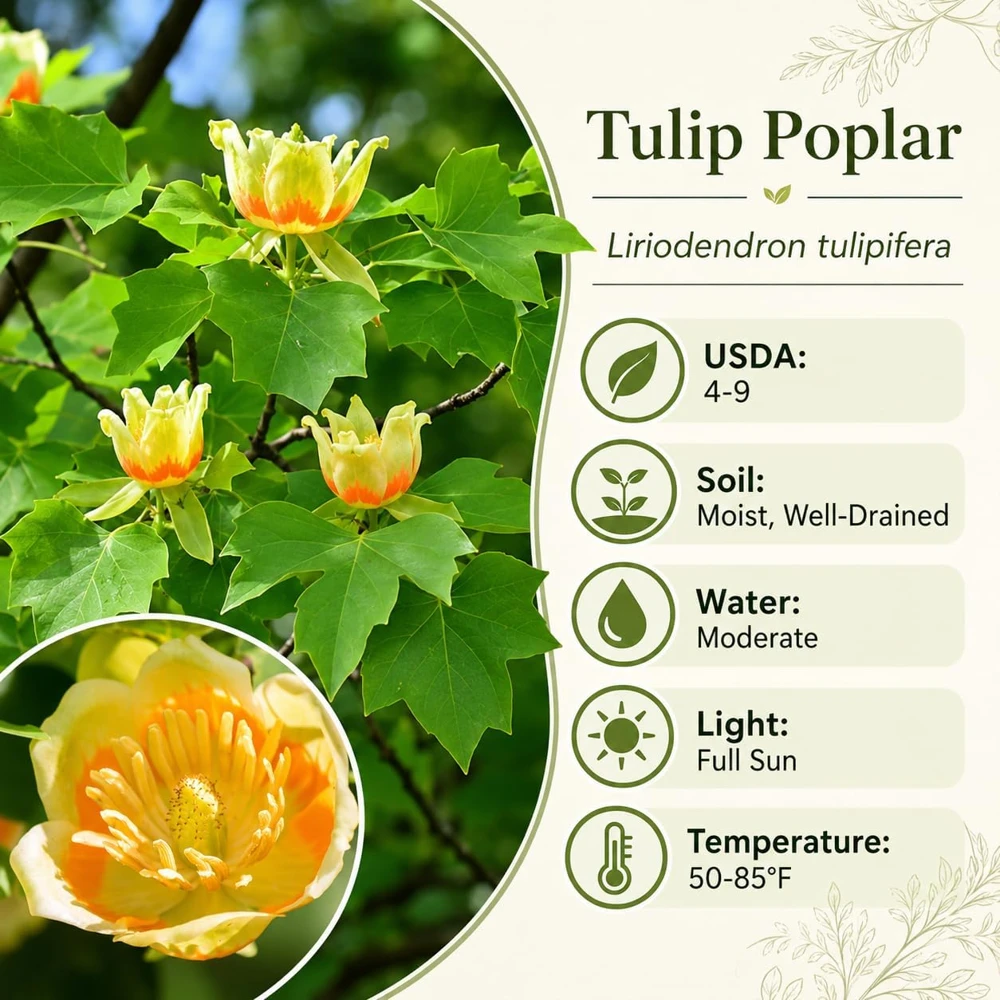
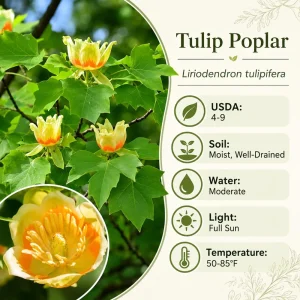
Sunlight requirements for a fast growing shade tree like the tulip poplar are paramount. They demand full sun, meaning at least 6-8 hours of direct sunlight per day, to achieve their optimal growth and flowering potential. Plant them in an open area where they won’t be overshadowed by buildings or other large trees. Watering is critical during the establishment phase; water deeply 2-3 times per week for the first year, especially during dry spells, to encourage a strong root system. Once established, they are more tolerant of drought but will benefit from supplemental watering during prolonged dry periods. The soil should be consistently moist but never waterlogged, as this can lead to root rot. A layer of mulch around the base of the tree will help retain soil moisture and regulate soil temperature.
Soil type for tulip poplar seedlings should be well-draining, fertile, and slightly acidic to neutral. While they can tolerate a range of soil types, they perform best in loamy soils rich in organic matter. Avoid heavy clay soils that retain too much water. These trees are hardy in USDA Zones 4-9, making them suitable for a wide range of climates. They prefer temperatures between 60°F and 85°F for active growth. Fertilization is generally not necessary in the first year if the soil is fertile; however, in subsequent years, a balanced slow-release fertilizer can be applied in early spring to support vigorous growth. Pruning should be limited to removing dead, damaged, or crossing branches, ideally in late winter when the tree is dormant. Keep an eye out for common pests like aphids or scale, and treat with appropriate organic pest control methods if necessary.
Size & Details
This offering includes a set of two tulip poplar trees live plant, each standing approximately 6-12 inches tall from the top of the soil to the tip of the highest stem. These vigorous tulip poplar seedlings are shipped in quart-sized pots, providing them with a healthy root system and a strong start for transplanting. While they are dormant in winter, this is the ideal time for planting in many regions, allowing the roots to establish before spring growth. As a fast growing shade tree, you can expect significant vertical growth each year, with mature specimens reaching heights of 70-90 feet and a spread of 30-50 feet over many years.
The yellow tulip poplar will begin to develop its characteristic tulip-shaped flowers once it reaches a certain maturity, typically after 10-15 years, although this can vary based on growing conditions. These trees are deciduous, shedding their leaves in the fall after a spectacular golden display. They are suitable for large landscapes where they have ample room to grow, making them an excellent investment for long-term property enhancement. Ensure you have sufficient space for their mature size, both above and below ground, to allow for optimal development of this magnificent liriodendron tulipifera.
Frequently Asked Questions
- Q: How big will these tulip poplar trees get? A: These tulip poplar seedlings are 6-12 inches tall when shipped. When mature, a tulip poplar trees live plant can reach an impressive height of 70-90 feet with a spread of 30-50 feet, making it a truly majestic and fast growing shade tree.
- Q: What condition will the trees arrive in? A: Your tulip poplar trees live plant will arrive as healthy, dormant seedlings in quart pots. They are carefully packaged to ensure they reach you in optimal condition, ready for planting.
- Q: Is this an indoor or outdoor plant? A: The tulip poplar trees live plant is an outdoor tree, best suited for planting in your garden or yard where it has plenty of space to grow and receive full sun exposure. It is not suitable for indoor cultivation.
- Q: How much sunlight does a tulip poplar need? A: For best growth and flowering, a yellow tulip poplar requires full sun, meaning at least 6-8 hours of direct sunlight per day. Choose a location that is not shaded by buildings or other large trees.
- Q: What USDA Zones are suitable for planting these trees? A: These tulip poplar seedlings are hardy and thrive in USDA Zones 4-9, making them adaptable to a wide range of climates across the United States.
- Q: How often should I water my newly planted tulip poplar? A: For the first year after planting, water your tulip poplar trees live plant deeply 2-3 times per week, especially during dry periods, to help establish a strong root system. Ensure the soil remains consistently moist but not waterlogged.
- Q: When is the best time to plant tulip poplar trees? A: The ideal time to plant tulip poplar seedlings is in the spring or fall. However, dormant plants can often be planted successfully in early winter in milder climates, allowing roots to establish before spring growth.
- Q: Will the flowers actually look like tulips? A: Yes, the flowers of the liriodendron tulipifera are distinctively cup-shaped and resemble tulips, typically appearing in shades of yellow-green with an orange band at the base, giving the tree its common name.
- Q: How quickly do these trees grow? A: Tulip poplars are known as a fast growing shade tree species, often adding 1-2 feet or more in height per year under ideal growing conditions.
- Q: Are these trees deer resistant? A: While no plant is entirely deer-proof, tulip poplars are generally considered to be moderately deer resistant, especially once established. Young tulip poplar seedlings may require protection from browsing deer.
Be the first to review “Set of 2 Tulip Poplar Trees Live Plant, 6-12 Inch Tall Seedlings, Quart Pot”
-
USDA Hardiness Zone
4–9 -
Soil Type
Well-draining, fertile soil -
Sunlight Exposure
Full sun -
Expected Planting Period
Spring or fall
People Also Viewd
Sold 134 products
Original price was: $3,536.00.$23.99Current price is: $23.99.
Sold 132 products
Original price was: $27.00.$24.00Current price is: $24.00.
Sold 132 products
Original price was: $89.99.$64.99Current price is: $64.99.

Sold 125 products
Original price was: $86.99.$66.99Current price is: $66.99.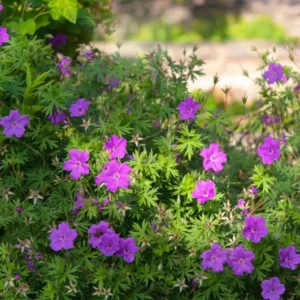
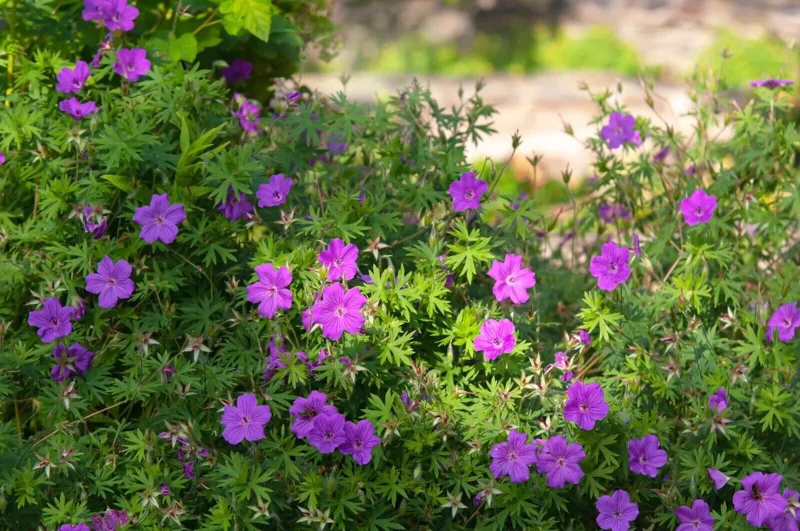
Flower Bulbs
3 Cranesbill Wild Geranium Organic Maculatums Bare Roots | Wildflower for Outdoor Garden
Sold 116 products
Original price was: $21.99.$9.99Current price is: $9.99.
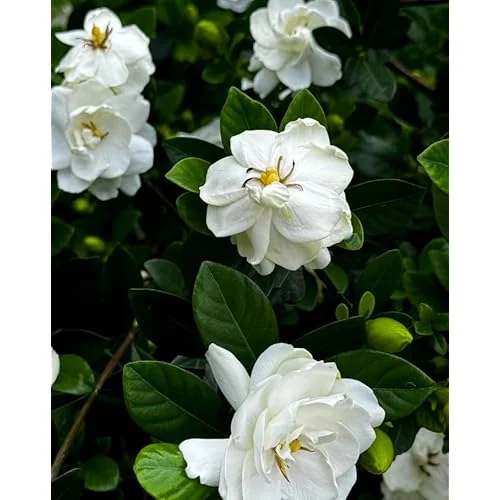
Sold 114 products
Original price was: $28.99.$17.99Current price is: $17.99.
Sold 110 products
Original price was: $63.99.$28.99Current price is: $28.99.
Sold 108 products
Original price was: $28.99.$17.99Current price is: $17.99.RELATED posts
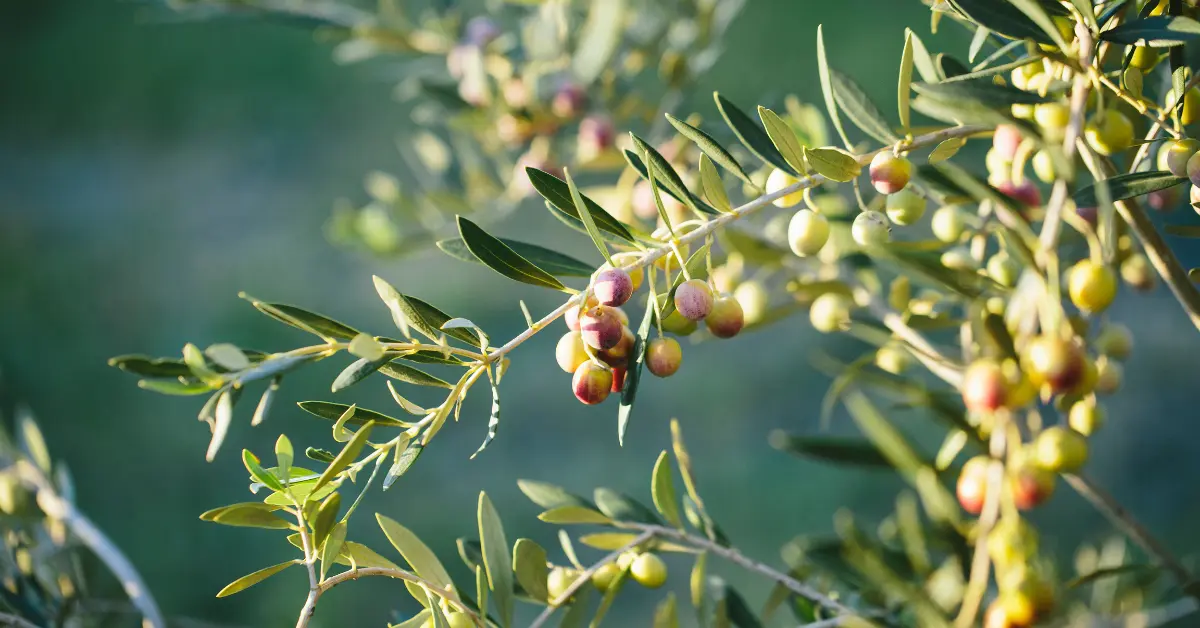
How to Grow Arbequina Olive Trees: The Ultimate Guide to Your Own Olive Grove
Arbequina Olive Tree (Olea europaea ‘Arbequina’) – the ultimate Mediterranean plant that brings a touch [...]
Oct
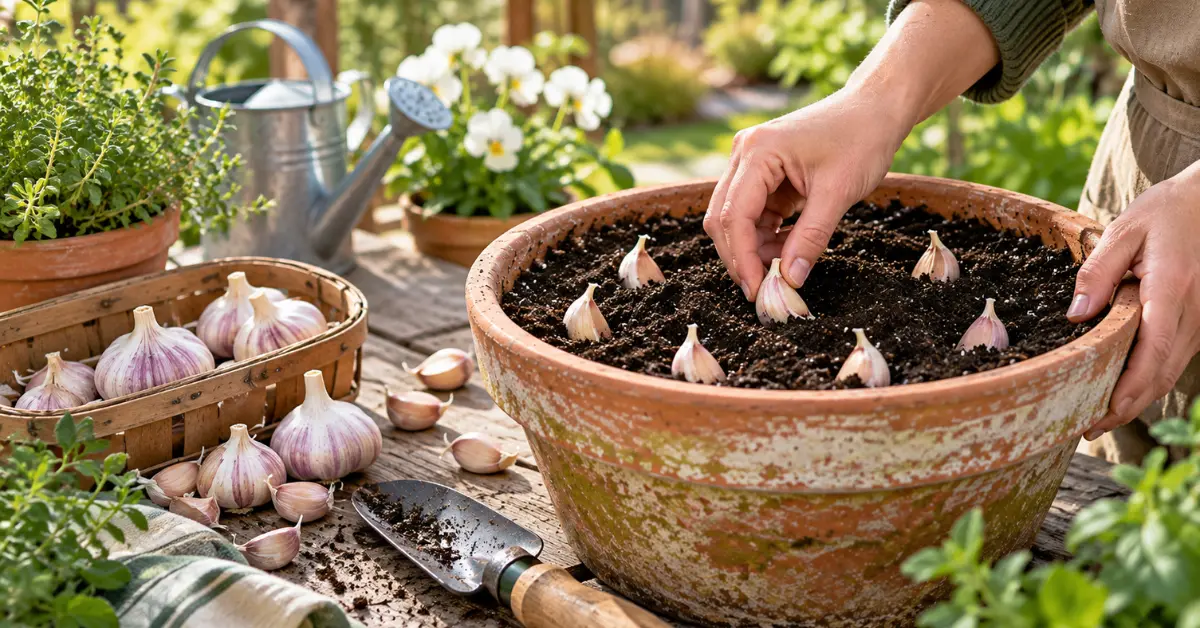
Growing Garlic in Containers This Fall: A Complete Guide for Beginners
If you’ve ever wanted to pop fresh, aromatic garlic cloves straight from your own patio [...]
Sep
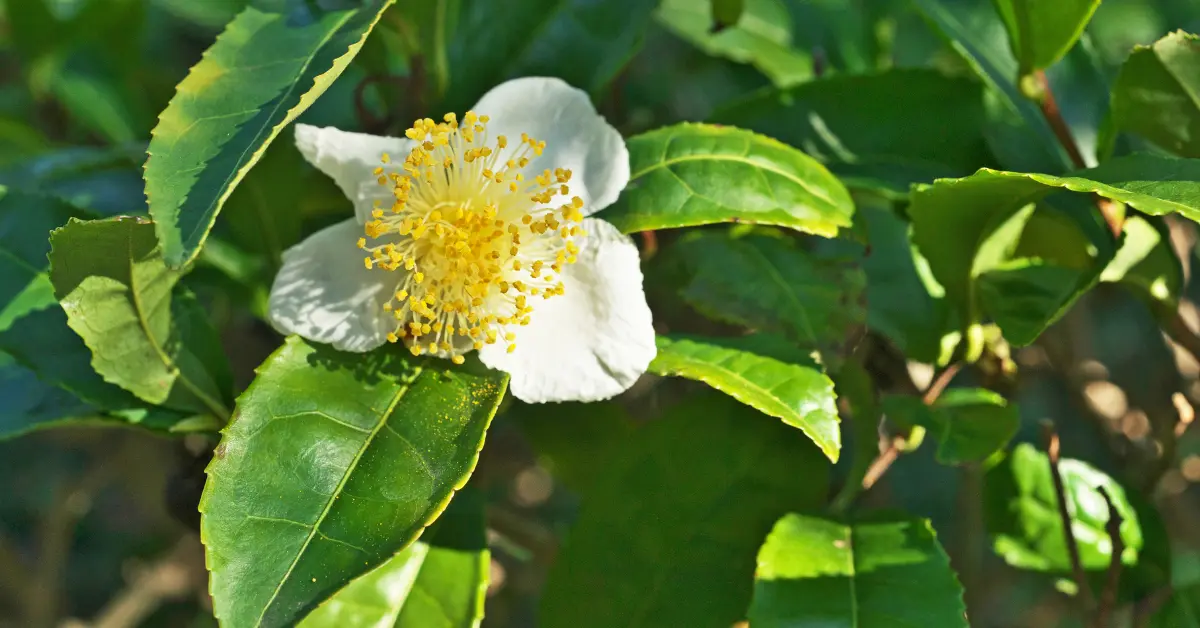
Growing Camellia Sinensis (Tea Plants) in Containers: A Complete Guide for Beginners
If you’ve ever wanted to sip a steaming, homegrown cup of fresh green, black, or [...]
Aug
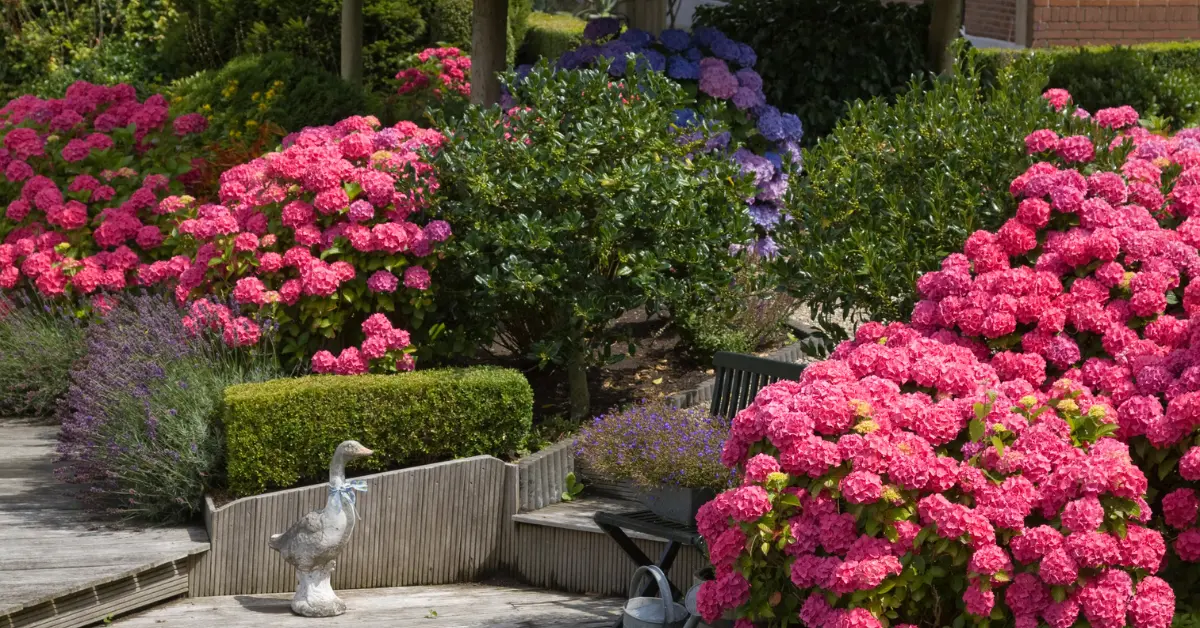
6 Best Shrubs to Plant in August You Must Try
Have you ever walked through a nursery late in the summer, admired the vibrant shrubs [...]
Aug
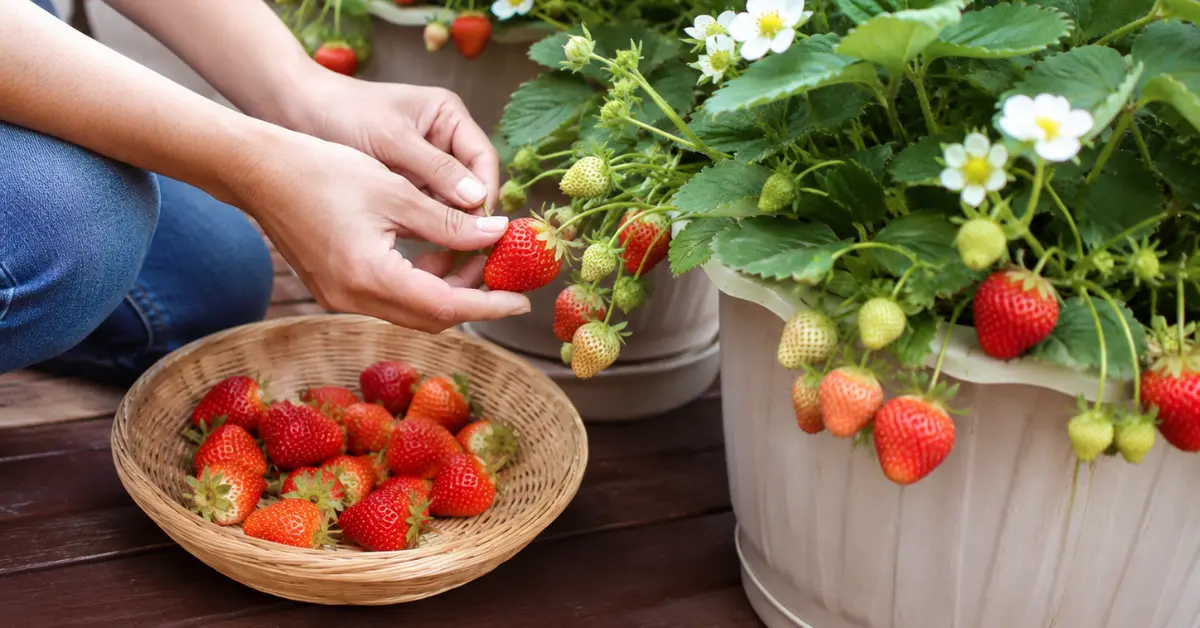
Growing Everbearing Strawberries in Containers: A Complete Guide for Beginners
Want to grow sweet, fresh strawberries but do not have a large garden? Everbearing strawberries [...]
Aug
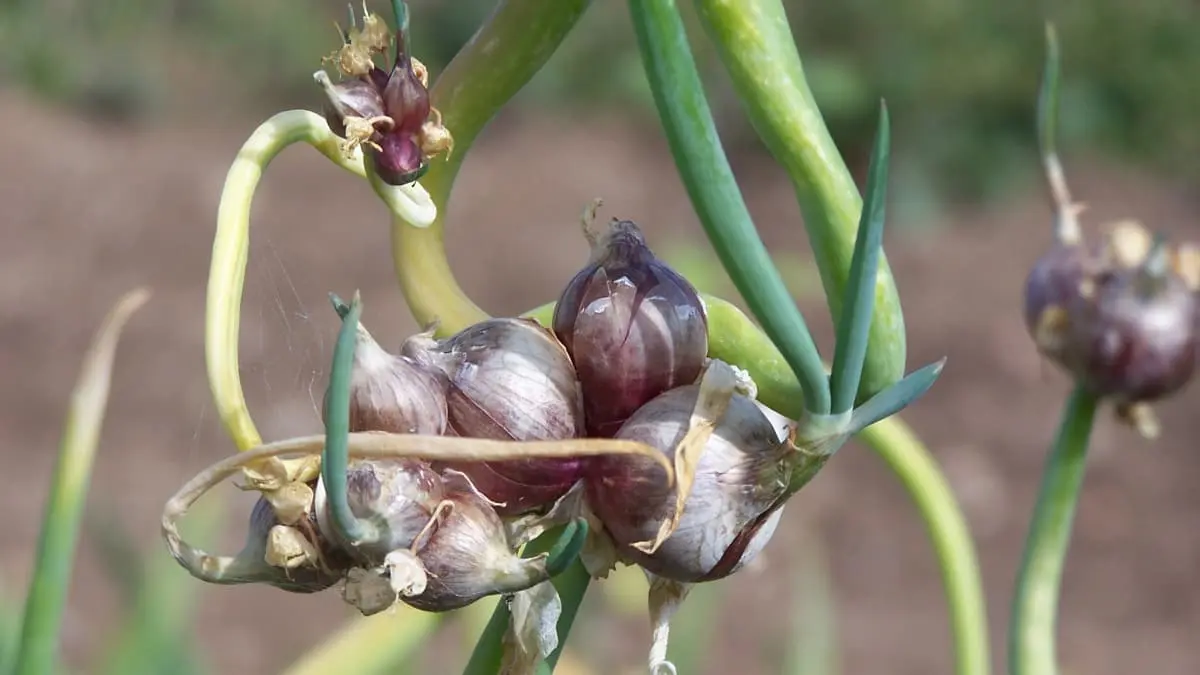
Growing Egyptian Walking Onions in Containers: A Complete Guide for Beginners
If you’re looking for a hardy, no-fuss perennial onion that keeps on giving year after [...]
Jul
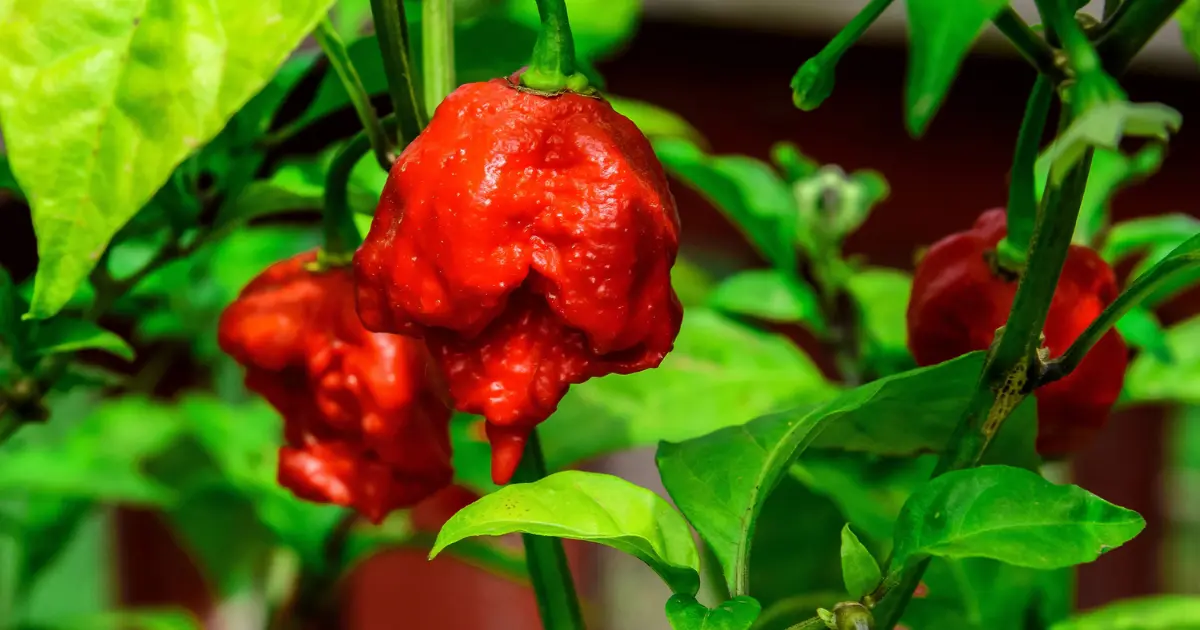
Growing Carolina Reaper Peppers in Pots: A Complete Guide for Beginners
If you’ve ever wanted to add some serious, record-breaking heat to your home cooking, you’ve [...]
May
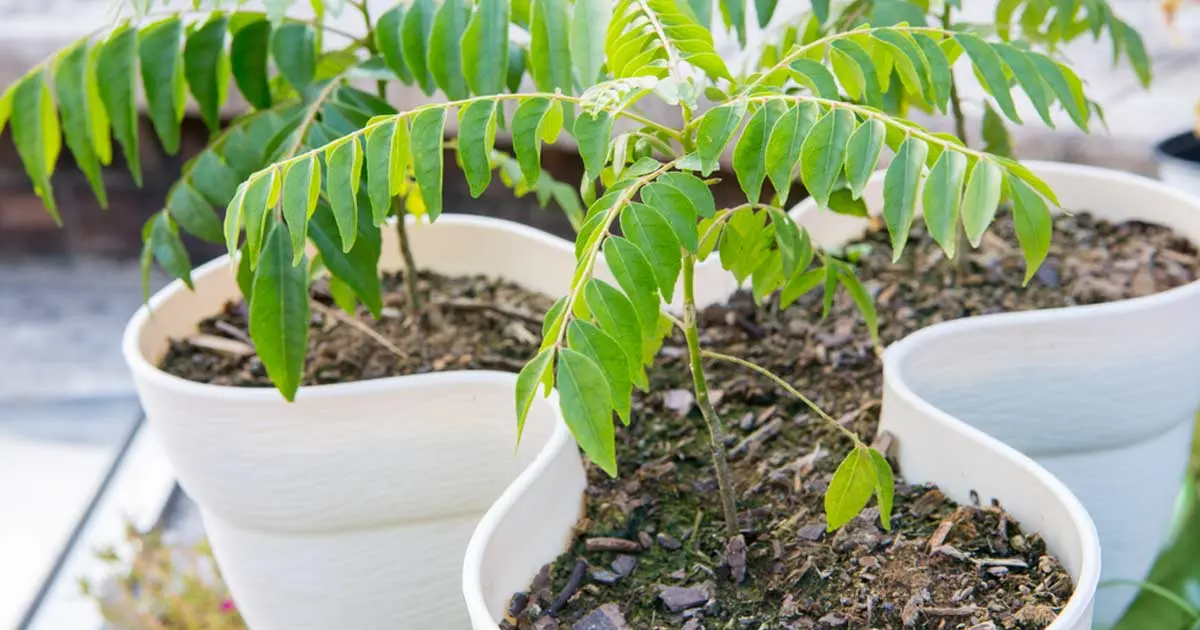
Growing Curry Leaf Plant in Pots: A Complete Guide for Beginners
If you’re a fan of authentic South Asian cuisine, you already know that nothing compares [...]
May



Reviews
There are no reviews yet.