
Tripogandra Serrulata Purple Scimitars Live Plant – Unique Foliage, Indoor/Outdoor
Original price was: $31.98.$15.99Current price is: $15.99.
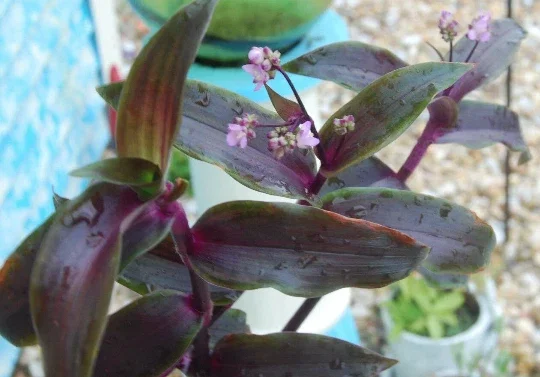
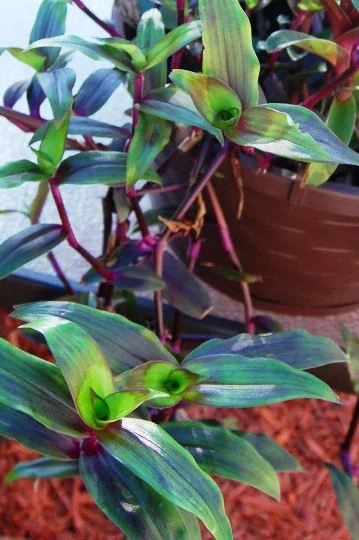
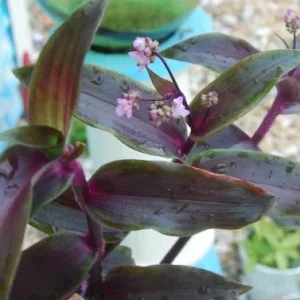
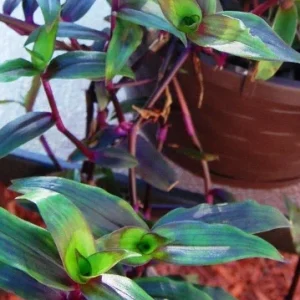
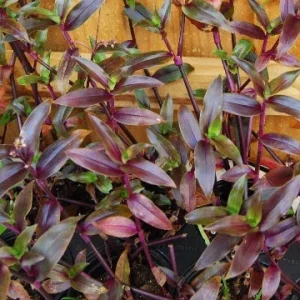
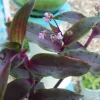
Introduce the captivating Tripogandra Serrulata Purple Scimitars to your plant collection. This stunning live plant, also known as Tradescantia elongata plant or wandering jewel plant, features unique sword-shaped leaves with rich purple undersides, perfect for adding a vibrant touch indoors or outdoors in warmer climates.
Estimated arrival
Oct 16
Oct 21 - Oct 23
Oct 26 - Oct 30

Reasonable Price
We offer reasonable price

Support 24/7
Contact us 24 hrs a day

100% Money Back
You've 30 days to Return

Payment Secure
100% secure payment
Overview
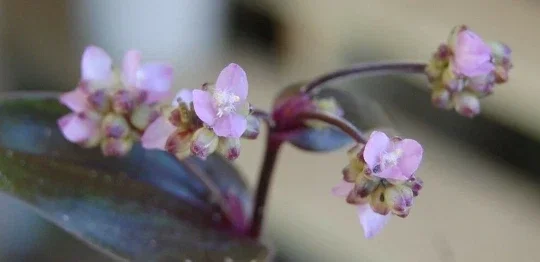
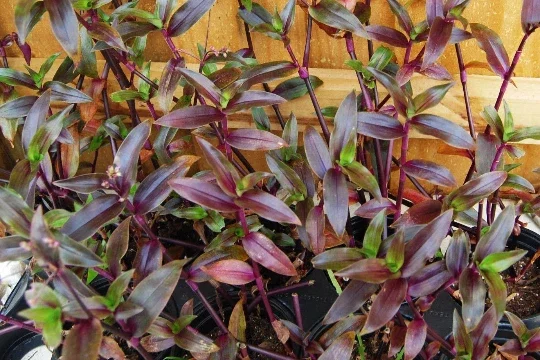
Bring a touch of exotic beauty into your home or garden with the stunning Tripogandra Serrulata Purple Scimitars live plant. This captivating plant, also known by its common names like Tradescantia elongata plant and wandering jewel plant, is a true showstopper with its distinctive foliage. Its sword-shaped leaves display a fascinating color palette, featuring a deep green on the upper side and a rich, vibrant purple on the underside, creating a striking contrast that is sure to draw attention. Often referred to as ‘Purple Scimitars’ due to the unique shape and color of its leaves, this plant is a fantastic choice for enthusiasts looking for something beyond the ordinary. It’s a relatively easy-to-care-for specimen, making it suitable for both novice and experienced plant parents seeking an exotic touch.
The Tripogandra Serrulata Purple Scimitars is a unique member of the Commelinaceae family, related to the popular Tradescantia genus. Its upright, slightly arching growth habit and vibrant coloration make it an excellent choice for containers, hanging baskets, or as a striking accent in a mixed planting. Whether you’re looking to enhance your indoor jungle or add a splash of color to your outdoor patio in suitable climates, this plant offers unparalleled visual appeal. Its robust nature and relatively straightforward care requirements ensure that it can thrive in a variety of settings, providing long-lasting enjoyment and a continuous display of its beautiful, two-toned leaves.
Key Benefits
The Tripogandra Serrulata Purple Scimitars offers numerous benefits, making it a highly desirable addition to any plant collection. Its unique aesthetic and resilient nature contribute to a rewarding ownership experience.
- Striking Visual Appeal: The most prominent feature of the Tripogandra Serrulata Purple Scimitars is its dramatic foliage. The sword-like leaves boast a vibrant green on top and a rich purple underneath, creating a dynamic and eye-catching display. This dual-tone effect adds depth and interest, making it a focal point in any setting.
- Versatile Placement: This plant thrives in various environments. It can be grown indoors as a stunning houseplant, adding an exotic flair to living rooms, offices, or sunrooms. In warmer climates, it also excels outdoors in containers or as part of a shaded garden bed, providing flexible decorating options.
- Relatively Low Maintenance: Despite its exotic appearance, the purple scimitars plant care is surprisingly straightforward. It doesn’t demand constant attention, making it an excellent choice for busy individuals or those new to plant care. Regular watering and adequate light are generally all it needs to flourish.
- Compact Growth Habit: The plant maintains a manageable size, typically growing as a clumping, upright perennial. This compact nature makes it suitable for smaller spaces, windowsills, or as an underplanting in larger arrangements without becoming unruly.
- Unique Texture and Form: Beyond color, the texture and shape of the leaves add another layer of interest. The slightly succulent, elongated leaves provide a unique structural element, setting it apart from more common foliage plants and enhancing botanical diversity.
Plant Care & Growing Tips
Caring for your Tripogandra Serrulata Purple Scimitars is a rewarding experience, as this plant is quite forgiving if its basic needs are met. Understanding its preferences will help ensure vibrant growth and stunning foliage. For optimal purple scimitars plant care, attention to light, water, and soil is crucial. This plant thrives in bright, indirect light. Too much direct sun can scorch its leaves, causing them to fade or turn brown, while too little light can reduce the intensity of its purple coloration and lead to leggy growth. An east or west-facing window indoors is often ideal, providing morning or late afternoon sun without harsh midday exposure. If grown outdoors, a location with dappled shade or protection from the hottest afternoon sun is recommended.
When it comes to watering, the wandering jewel plant prefers consistently moist soil but dislikes being waterlogged. Allow the top inch or two of soil to dry out between waterings. Overwatering can lead to root rot, a common issue for many houseplants. Conversely, prolonged drought can cause the leaves to wilt and become crispy. Use a well-draining potting mix, ideally one formulated for succulents or a general houseplant mix amended with perlite or pumice to enhance drainage. During the growing season (spring and summer), fertilize every 2-4 weeks with a balanced liquid fertilizer diluted to half strength. Reduce feeding in fall and winter when growth slows. This plant prefers average room temperatures, generally between 60-80°F (15-27°C) and can tolerate typical household humidity levels. While it’s not a heavy feeder, consistent care will result in a more robust and colorful plant. If you notice any signs of pests, address them promptly with appropriate organic solutions to maintain the health of your exotic foliage plants.
Size & Details
The Tripogandra Serrulata Purple Scimitars typically grows to a height of about 6 to 12 inches, with a similar spread, forming a dense, upright clump. Its growth rate is moderate, allowing it to fill out a pot or space within a single growing season. This plant is usually shipped as a live plant, often in a 2-4 inch nursery pot with established roots, ready for transplanting into its permanent home. The distinctive sword-shaped leaves are generally 2-4 inches long, showcasing their vibrant green and purple hues. With proper purple scimitars plant care, you can expect this plant to maintain its compact and attractive form, making it an excellent choice for tabletops, shelves, or as part of a larger container arrangement. It’s a relatively easy plant to propagate from cuttings, allowing you to expand your collection or share with friends.
Frequently Asked Questions
- Q: How big does this plant get? A: The Tripogandra Serrulata Purple Scimitars typically grows to a compact size, reaching about 6 to 12 inches in height and spread. Its moderate growth rate makes it suitable for various indoor and outdoor container settings without becoming too large.
- Q: Is this an indoor or outdoor plant? A: While it can be grown outdoors in USDA Zones 9-11, this plant is most commonly cultivated as an indoor houseplant in most regions. It thrives as an indoor plant, making it a versatile choice for home decor.
- Q: How much sunlight does it need? A: This plant prefers bright, indirect light. Direct, harsh sunlight can scorch its leaves, while insufficient light can diminish its vibrant purple coloration. A spot near an east or west-facing window is often ideal for your wandering jewel plant.
- Q: Is this plant easy to care for? A: Yes, the Tripogandra Serrulata Purple Scimitars is considered relatively easy to care for, making it suitable for beginners. It requires consistent watering and adequate light but is not overly demanding.
- Q: What condition will it arrive in? A: Your plant will arrive as a healthy, live plant, typically in a nursery pot with its root system established. We take great care in packaging to ensure it reaches you in excellent condition, ready for its new home.
- Q: How often should I water my Tradescantia elongata plant? A: Water when the top 1-2 inches of soil feel dry to the touch. It prefers consistently moist soil but avoid overwatering, which can lead to root rot. Adjust watering frequency based on environmental factors like light and temperature.
- Q: What type of soil is best for purple scimitars plant care? A: A well-draining potting mix is essential. You can use a standard houseplant mix amended with perlite or pumice to ensure good drainage and aeration for the roots. This helps prevent waterlogging.
- Q: What are some common names for this plant? A: Besides Tripogandra Serrulata Purple Scimitars, it is also known as Tradescantia elongata plant and sometimes referred to as ‘Wandering Jewel’ due to its vibrant appearance and spreading habit in ideal conditions.
- Q: Does this plant have any specific humidity requirements? A: The Tripogandra Serrulata Purple Scimitars tolerates average household humidity levels well. While it appreciates higher humidity, it typically doesn’t require special misting or a humidifier to thrive indoors.
- Q: Can I propagate this plant? A: Yes, this plant is quite easy to propagate from stem cuttings. Simply take a cutting, remove the lower leaves, and place it in water or moist soil. Roots should develop within a few weeks, allowing you to grow more exotic foliage plants.
Be the first to review “Tripogandra Serrulata Purple Scimitars Live Plant – Unique Foliage, Indoor/Outdoor”
-
USDA Hardiness Zone
USDA zones 9–11 -
Soil Type
Well-draining potting mix -
Sunlight Exposure
Bright indirect light -
Expected Planting Period
Year-round indoors
People Also Viewd
Sold 134 products
Original price was: $3,536.00.$23.99Current price is: $23.99.
Sold 132 products
Original price was: $27.00.$24.00Current price is: $24.00.
Sold 132 products
Original price was: $89.99.$64.99Current price is: $64.99.

Sold 125 products
Original price was: $86.99.$66.99Current price is: $66.99.
Flower Bulbs
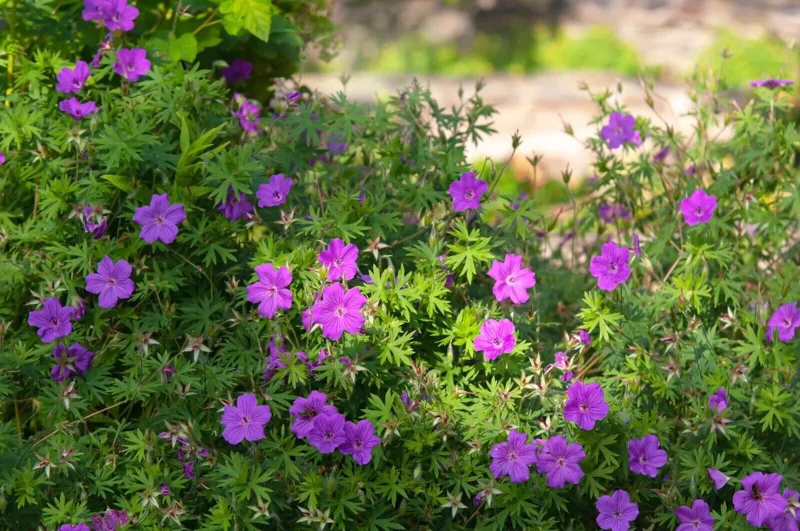
3 Cranesbill Wild Geranium Organic Maculatums Bare Roots | Wildflower for Outdoor Garden
Sold 116 products
Original price was: $21.99.$9.99Current price is: $9.99.
Sold 114 products
Original price was: $28.99.$17.99Current price is: $17.99.
Sold 110 products
Original price was: $63.99.$28.99Current price is: $28.99.
Sold 108 products
Original price was: $28.99.$17.99Current price is: $17.99.RELATED posts
How to Grow Arbequina Olive Trees: The Ultimate Guide to Your Own Olive Grove
Arbequina Olive Tree (Olea europaea ‘Arbequina’) – the ultimate Mediterranean plant that brings a touch [...]
Oct
Growing Garlic in Containers This Fall: A Complete Guide for Beginners
If you’ve ever wanted to pop fresh, aromatic garlic cloves straight from your own patio [...]
Sep
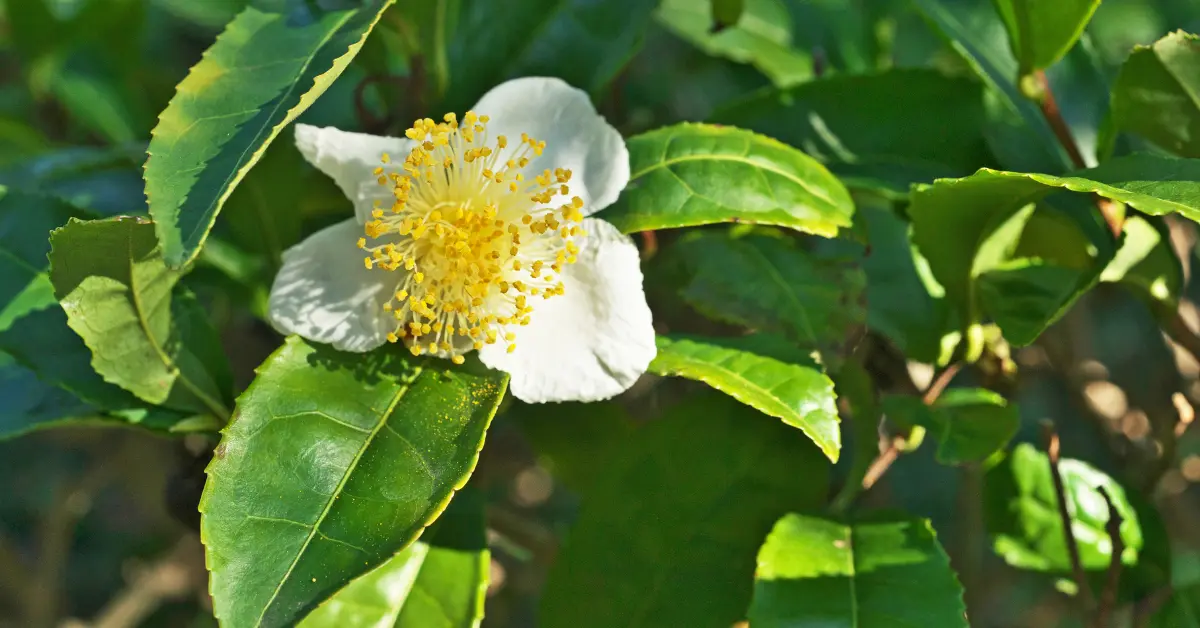
Growing Camellia Sinensis (Tea Plants) in Containers: A Complete Guide for Beginners
If you’ve ever wanted to sip a steaming, homegrown cup of fresh green, black, or [...]
Aug
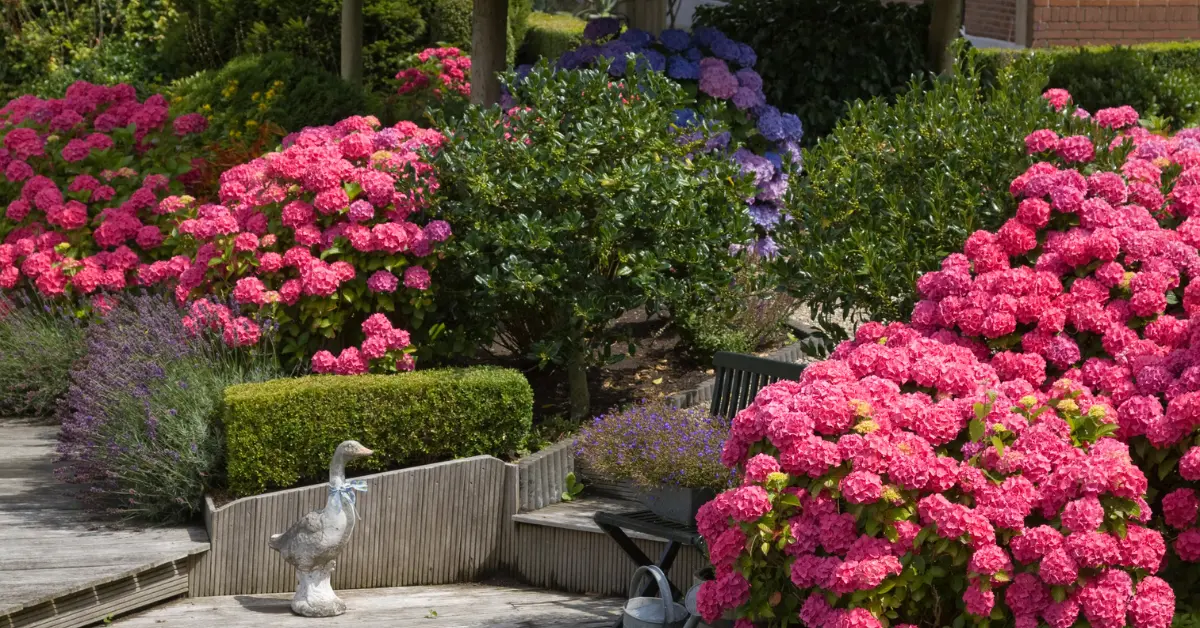
6 Best Shrubs to Plant in August You Must Try
Have you ever walked through a nursery late in the summer, admired the vibrant shrubs [...]
Aug
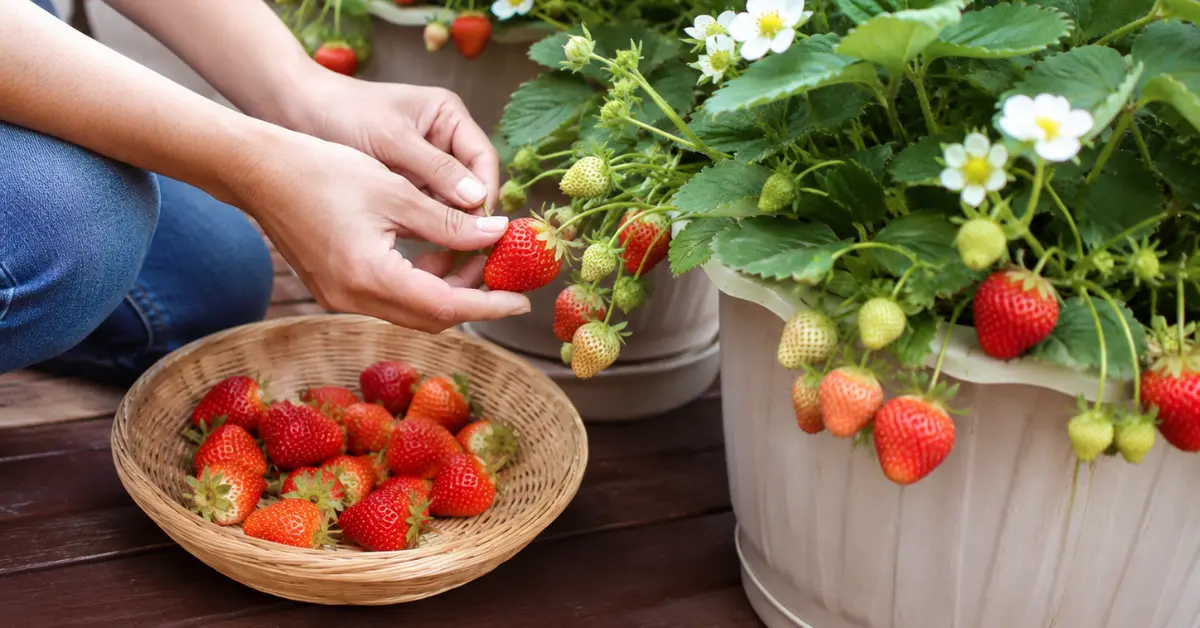
Growing Everbearing Strawberries in Containers: A Complete Guide for Beginners
Want to grow sweet, fresh strawberries but do not have a large garden? Everbearing strawberries [...]
Aug
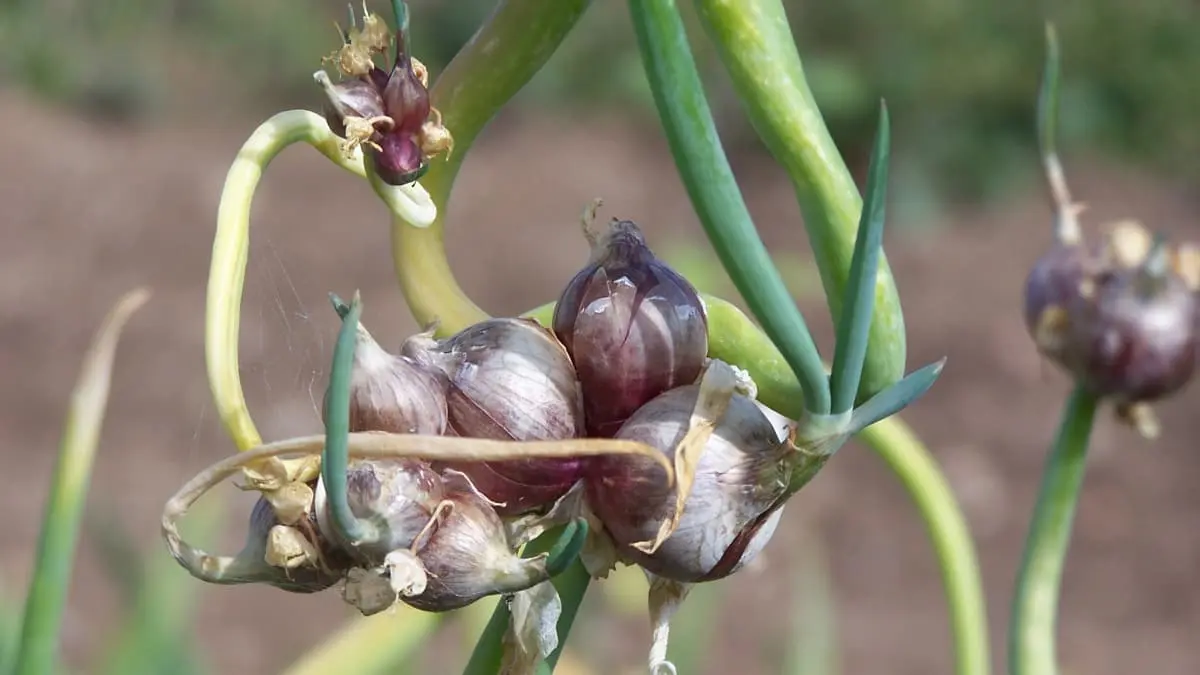
Growing Egyptian Walking Onions in Containers: A Complete Guide for Beginners
If you’re looking for a hardy, no-fuss perennial onion that keeps on giving year after [...]
Jul
Growing Carolina Reaper Peppers in Pots: A Complete Guide for Beginners
If you’ve ever wanted to add some serious, record-breaking heat to your home cooking, you’ve [...]
May
Growing Curry Leaf Plant in Pots: A Complete Guide for Beginners
If you’re a fan of authentic South Asian cuisine, you already know that nothing compares [...]
May
Reviews
There are no reviews yet.