
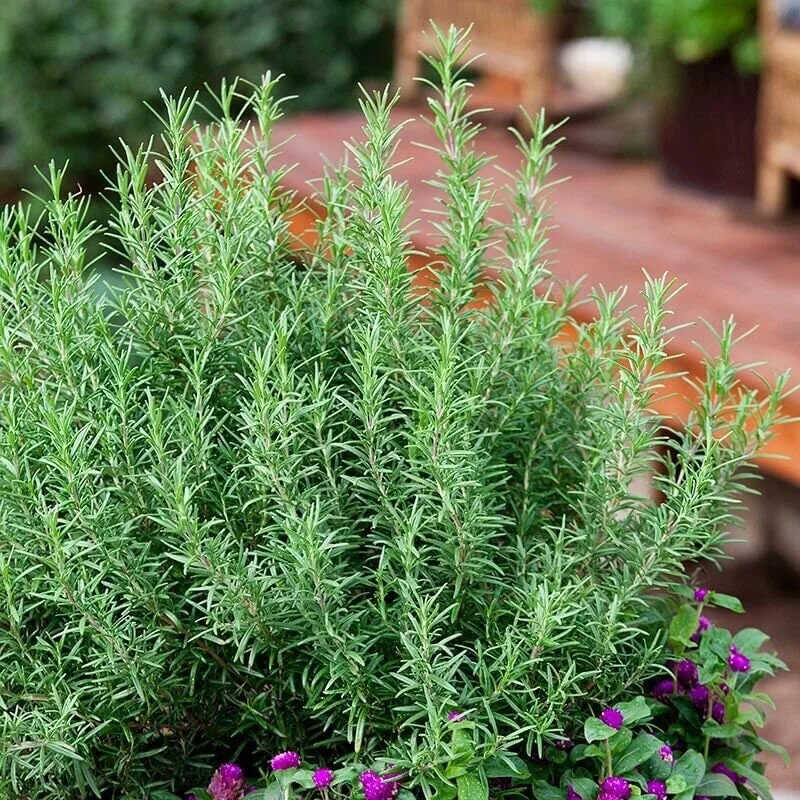
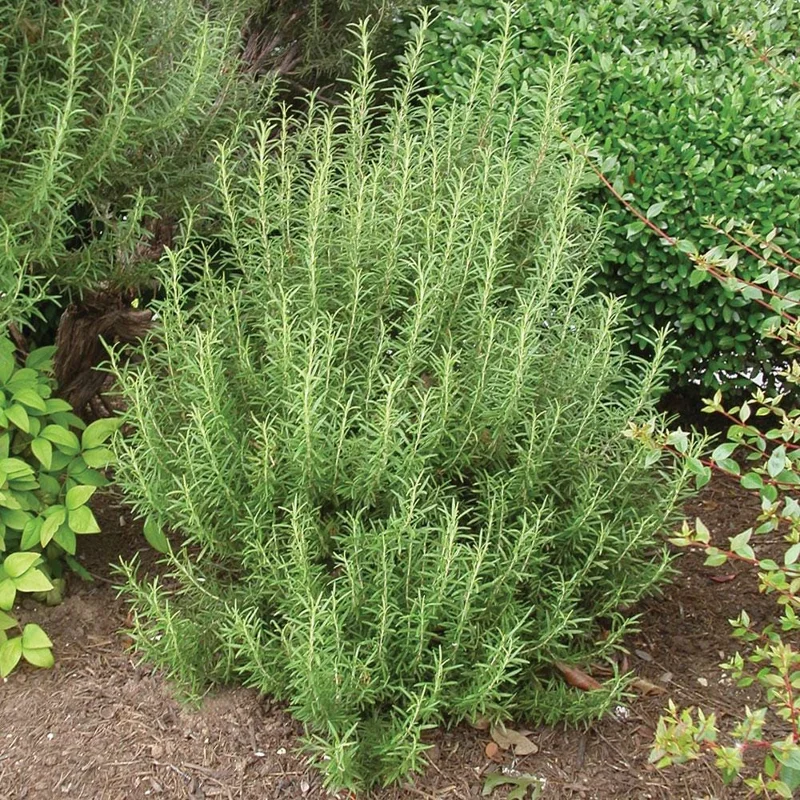
Upright Rosemary Live Plant, 1 Gallon Pot, Aromatic Culinary Herb
Original price was: $85.98.$42.99Current price is: $42.99.
Bring the delightful fragrance and flavor of rosemary to your home with this upright rosemary live plant. Perfect for gardens, patios, or sunny windowsills, this culinary rosemary plant thrives with proper care. It’s an excellent choice for adding fresh herbs to your cooking and enjoying its natural beauty.
Estimated arrival
Oct 05
Oct 10 - Oct 12
Oct 15 - Oct 19

Reasonable Price
We offer reasonable price

Support 24/7
Contact us 24 hrs a day

100% Money Back
You've 30 days to Return

Payment Secure
100% secure payment
Overview
The upright rosemary live plant, scientifically known as Salvia rosmarinus, is a cherished herb celebrated for its distinctive aromatic foliage and culinary versatility. This particular offering provides a robust 1-gallon specimen, ready to thrive in your garden or a spacious container. Rosemary is a woody, perennial herb with fragrant, evergreen, needle-like leaves and delicate blue, pink, purple, or white flowers. Originating from the Mediterranean region, it’s accustomed to warm, sunny climates, making it a fantastic addition to many US gardens. Beyond its culinary applications, rosemary is also valued for its ornamental appeal, providing texture and year-round greenery. Growing a rosemary plant care is relatively straightforward, making it suitable for both novice and experienced gardeners. Its strong, piney scent is known to deter pests and attract beneficial pollinators, enhancing the biodiversity of your outdoor space. This live plant provides an instant solution for those looking to integrate fresh herbs into their daily life.
This upright rosemary live plant is a vigorous grower, developing into an attractive shrub that can be pruned to maintain its desired size and shape. Its sturdy structure allows it to stand tall, making it an excellent focal point in herb gardens, mixed borders, or even as a low hedge. The leaves are rich in essential oils, which contribute to its potent aroma and flavor, making it indispensable in many cuisines. Whether you’re a seasoned chef or just starting your gardening journey, this 1-gallon rosemary plant offers a rewarding experience, providing fresh, fragrant herbs right at your fingertips. It’s an ideal choice for anyone interested in growing rosemary outdoors and enjoying its many benefits.
Key Benefits
Incorporating an upright rosemary live plant into your home or garden offers numerous advantages:
- Culinary Excellence: The fresh leaves are perfect for seasoning meats, vegetables, sauces, and baked goods, offering a robust, earthy flavor that elevates many dishes. Having a fresh supply means you can always add that special touch to your meals.
- Aromatic Appeal: Rosemary’s strong, pleasant fragrance can uplift your senses and naturally freshen your living spaces, making it a popular choice for aromatic gardens and indoor pots. The scent is also known to have calming properties.
- Low Maintenance: Once established, this rosemary plant care is surprisingly easy. It’s drought-tolerant and generally resistant to pests and diseases, requiring minimal intervention to thrive. This makes it ideal for busy gardeners.
- Year-Round Greenery: As an evergreen, rosemary provides continuous greenery, adding structure and life to your garden even during colder months, where many other plants might go dormant.
- Pollinator Attractor: Its small, often blue flowers attract bees and other beneficial pollinators, contributing to a healthier ecosystem in your garden and supporting local bee populations.
- Medicinal & Aromatic Uses: Beyond cooking, rosemary has been traditionally used in herbal remedies and aromatherapy for its potential health benefits, including memory enhancement and stress reduction.
- Versatile Growth: This culinary rosemary plant can be grown in the ground, in large containers, or even trained as a topiary, adapting well to various garden designs and spaces. It also makes a great addition to a patio herb collection.
Plant Care & Growing Tips
Caring for your upright rosemary live plant is generally straightforward, as it is a hardy and resilient herb. For optimal growth, rosemary requires abundant sunlight; aim for at least 6-8 hours of direct sun per day. If growing rosemary outdoors, choose a south-facing spot in your garden or a location that receives full sun throughout the day. For indoor cultivation, place your rosemary plant near a bright, sunny window, ideally a south or west-facing one. Insufficient light can lead to leggy growth and reduced aromatic intensity. Good air circulation is also crucial to prevent fungal issues.
When it comes to watering, rosemary prefers well-draining soil and is quite drought-tolerant once established. Allow the top inch or two of the soil to dry out completely between waterings to prevent root rot, which is a common problem for rosemary. Overwatering is more detrimental than underwatering. For soil, a sandy, loamy mix with excellent drainage is ideal. You can amend heavy clay soils with sand or perlite to improve drainage. Rosemary thrives in a slightly acidic to neutral pH (6.0-7.0). In terms of temperature, rosemary is hardy in USDA zones 7-10, tolerating light frosts but needing protection in colder climates. If you are in a colder zone, consider planting your aromatic herb plant in a container that can be moved indoors during winter. Fertilization is not heavily required; a light application of a balanced, slow-release fertilizer in spring is usually sufficient. Avoid over-fertilizing, as this can reduce the plant’s aromatic qualities. Pruning is essential to maintain shape and encourage bushier growth; trim after flowering or as needed to harvest leaves for culinary use. Watch out for common pests like aphids or spider mites, which can be managed with insecticidal soap.
Size & Details
This offering is for one upright rosemary live plant, supplied in a 1-gallon nursery pot. At the time of shipping, the plant typically measures approximately 8-12 inches in height, though exact dimensions may vary slightly depending on seasonal growth. Rosemary is a moderate to fast grower, and this culinary rosemary plant can reach a mature height of 2-4 feet with a similar spread when planted in the ground and given optimal conditions, though it can be kept smaller with regular pruning. It will arrive as a well-rooted, healthy specimen, ready for immediate planting in your garden or a larger container. The plant will continue to grow and develop its characteristic woody stems and fragrant foliage, providing a steady supply of fresh herbs. Expect it to establish quickly, especially if planted in warm weather, and begin producing an abundance of aromatic leaves for all your culinary and aromatic needs. This size is perfect for getting a head start on growing rosemary outdoors or as a substantial indoor herb plant.
Frequently Asked Questions
- Q: How big will this upright rosemary live plant get? A: When mature and planted in the ground, an upright rosemary live plant can typically reach a height of 2-4 feet and a similar spread. Its size can be managed with regular pruning, especially if grown in a container.
- Q: Is this an indoor or outdoor plant? A: Rosemary thrives outdoors in full sun and well-draining soil, particularly in USDA zones 7-10. It can also be grown indoors in a bright, sunny window, making it a versatile aromatic herb plant for various settings.
- Q: How much sunlight does the rosemary plant need? A: Your rosemary plant care requires at least 6-8 hours of direct sunlight per day to grow healthily and develop its full aromatic potential. Provide as much sun as possible for best results.
- Q: Is this plant easy to care for? A: Yes, rosemary is generally considered an easy-care plant, especially once established. It is drought-tolerant and relatively pest-resistant, making it a good choice for beginners interested in growing rosemary outdoors.
- Q: What condition will the rosemary plant arrive in? A: Your upright rosemary live plant will arrive in a 1-gallon nursery pot, well-rooted and healthy, ready for planting. We take great care in packaging to ensure it arrives in excellent condition.
- Q: Can I use this rosemary in cooking? A: Absolutely! This is a culinary rosemary plant, perfect for adding fresh, aromatic flavor to a wide variety of dishes, including roasted meats, vegetables, bread, and soups.
- Q: When is the best time to plant rosemary? A: The best time to plant rosemary is in spring after the last frost, or in early fall. This allows the plant to establish its root system before extreme temperatures set in.
- Q: What type of soil does rosemary prefer? A: Rosemary prefers well-draining, sandy or loamy soil with a slightly acidic to neutral pH. Good drainage is crucial to prevent root rot.
- Q: Will this rosemary plant survive winter in my zone? A: This upright rosemary live plant is hardy in USDA zones 7-10. If you are in a colder zone, it’s best to grow it in a container and bring it indoors during the winter months.
- Q: How often should I water my rosemary plant? A: Water your rosemary thoroughly when the top 1-2 inches of soil feel dry to the touch. It’s more tolerant of dry conditions than overwatering, so err on the side of caution.
Be the first to review “Upright Rosemary Live Plant, 1 Gallon Pot, Aromatic Culinary Herb”
-
USDA Hardiness Zone
USDA zones 7-10 -
Soil Type
Well-draining, sandy or loamy soil -
Sunlight Exposure
Full sun (6-8+ hours daily) -
Expected Planting Period
Spring to early summer, or year-round indoors
People Also Viewd
Sold 134 products
Original price was: $3,536.00.$23.99Current price is: $23.99.
Sold 132 products
Original price was: $27.00.$24.00Current price is: $24.00.
Sold 132 products
Original price was: $89.99.$64.99Current price is: $64.99.

Sold 125 products
Original price was: $86.99.$66.99Current price is: $66.99.
Flower Bulbs
3 Cranesbill Wild Geranium Organic Maculatums Bare Roots | Wildflower for Outdoor Garden
Sold 116 products
Original price was: $21.99.$9.99Current price is: $9.99.
Sold 114 products
Original price was: $28.99.$17.99Current price is: $17.99.

Sold 110 products
Original price was: $63.99.$28.99Current price is: $28.99.
Sold 108 products
Original price was: $28.99.$17.99Current price is: $17.99.RELATED posts
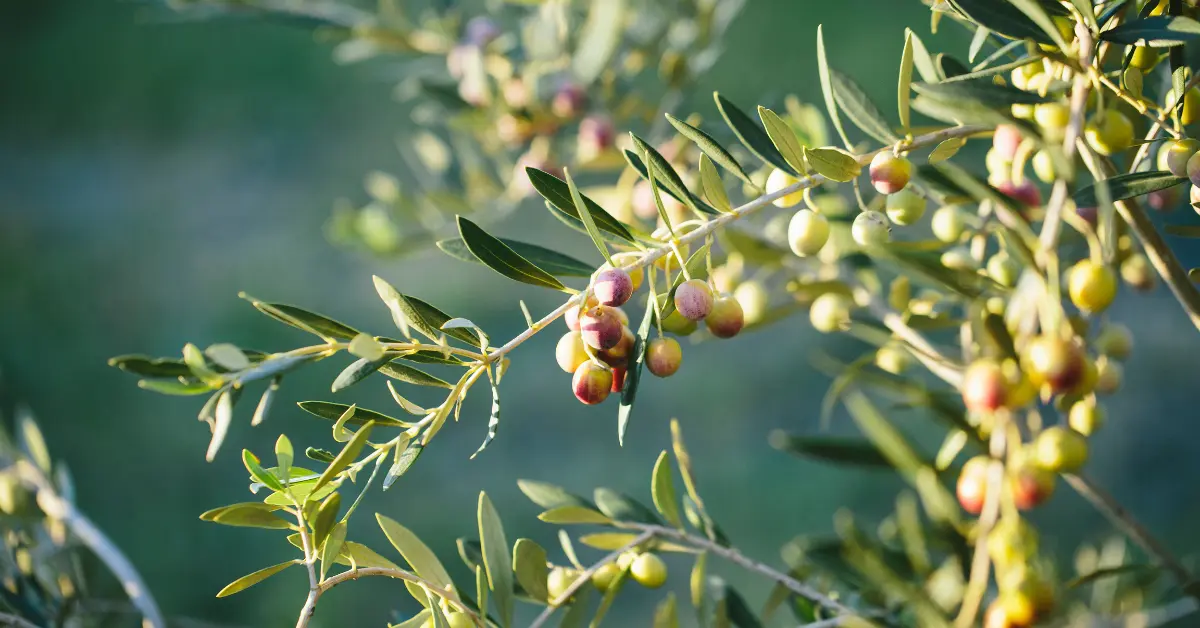
How to Grow Arbequina Olive Trees: The Ultimate Guide to Your Own Olive Grove
Arbequina Olive Tree (Olea europaea ‘Arbequina’) – the ultimate Mediterranean plant that brings a touch [...]
Oct
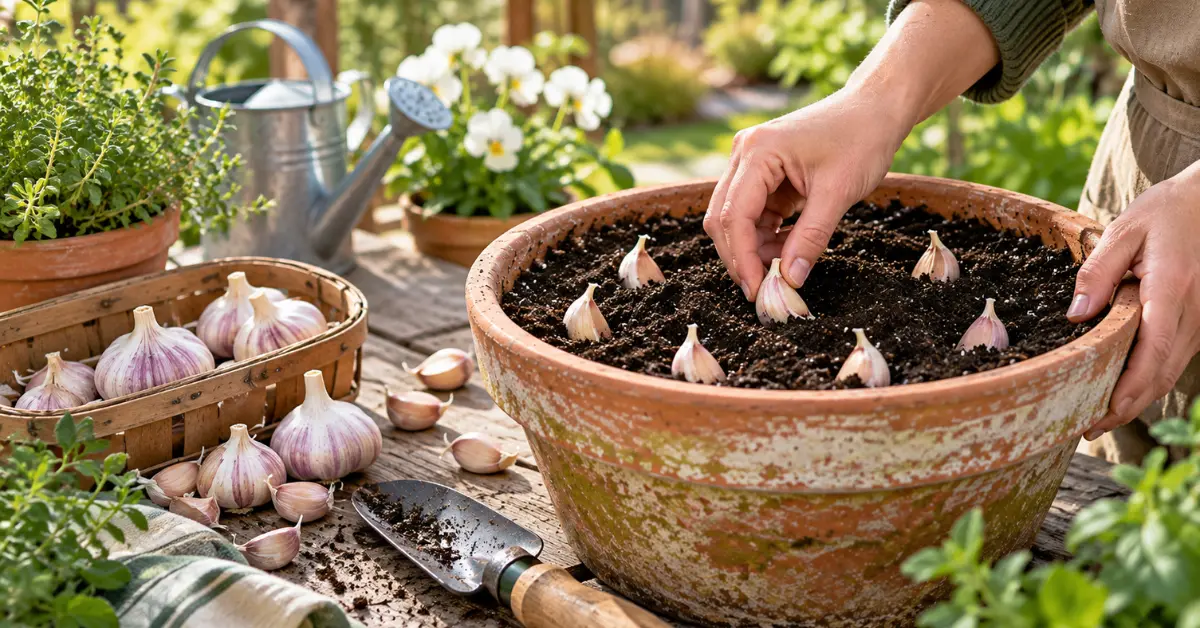
Growing Garlic in Containers This Fall: A Complete Guide for Beginners
If you’ve ever wanted to pop fresh, aromatic garlic cloves straight from your own patio [...]
Sep
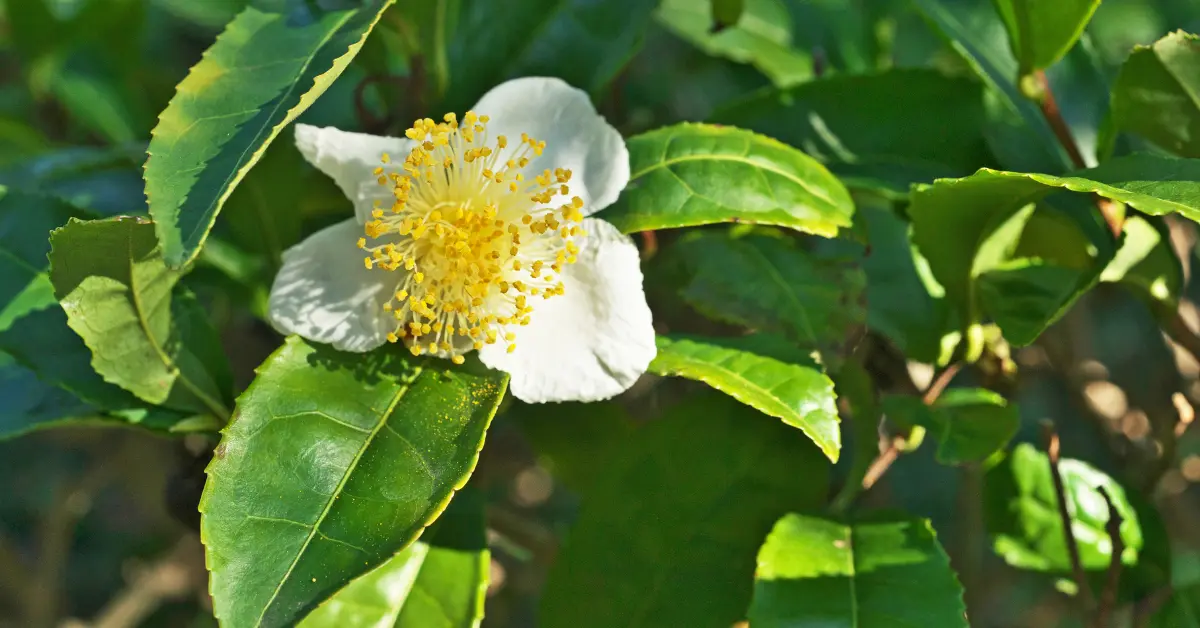
Growing Camellia Sinensis (Tea Plants) in Containers: A Complete Guide for Beginners
If you’ve ever wanted to sip a steaming, homegrown cup of fresh green, black, or [...]
Aug
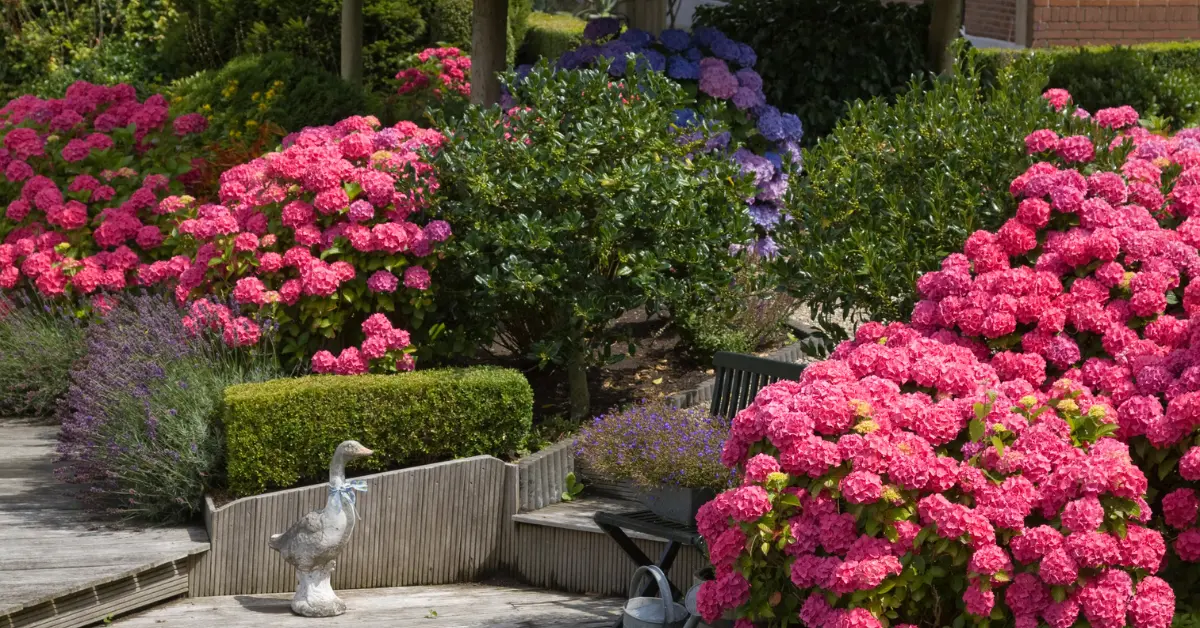
6 Best Shrubs to Plant in August You Must Try
Have you ever walked through a nursery late in the summer, admired the vibrant shrubs [...]
Aug
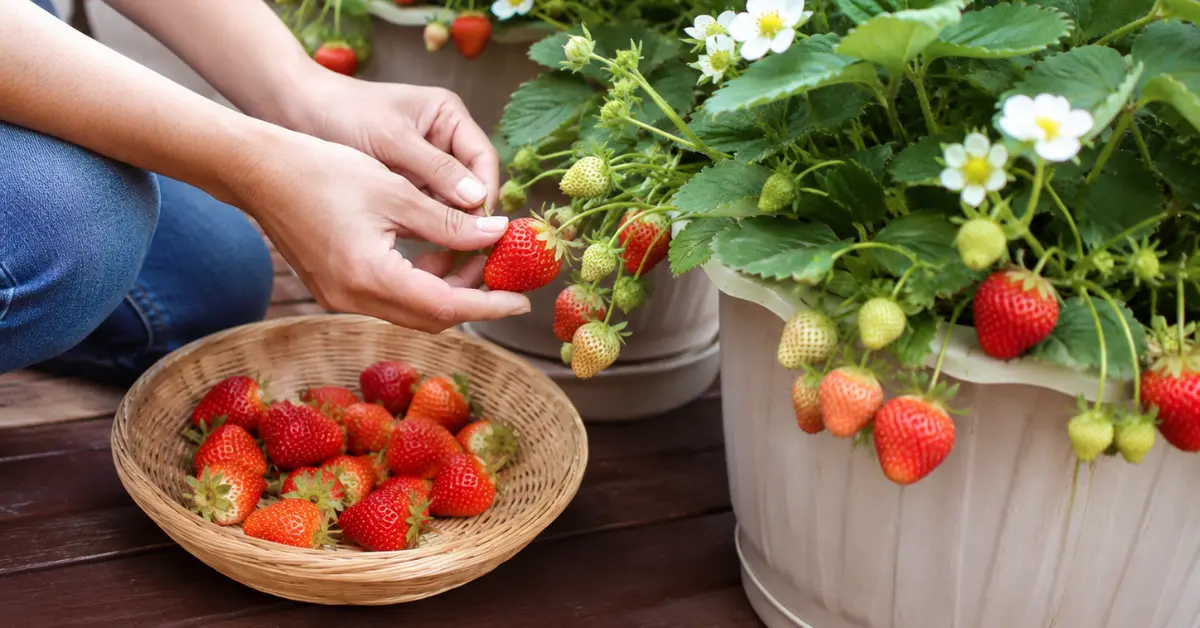
Growing Everbearing Strawberries in Containers: A Complete Guide for Beginners
Want to grow sweet, fresh strawberries but do not have a large garden? Everbearing strawberries [...]
Aug
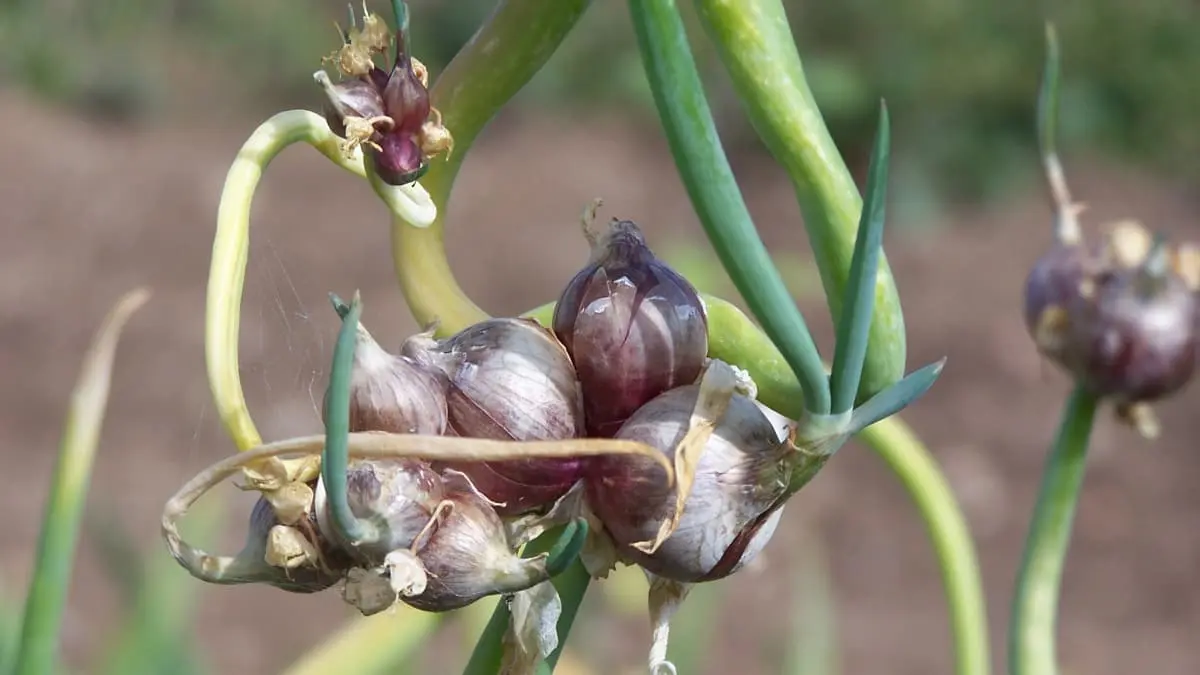
Growing Egyptian Walking Onions in Containers: A Complete Guide for Beginners
If you’re looking for a hardy, no-fuss perennial onion that keeps on giving year after [...]
Jul
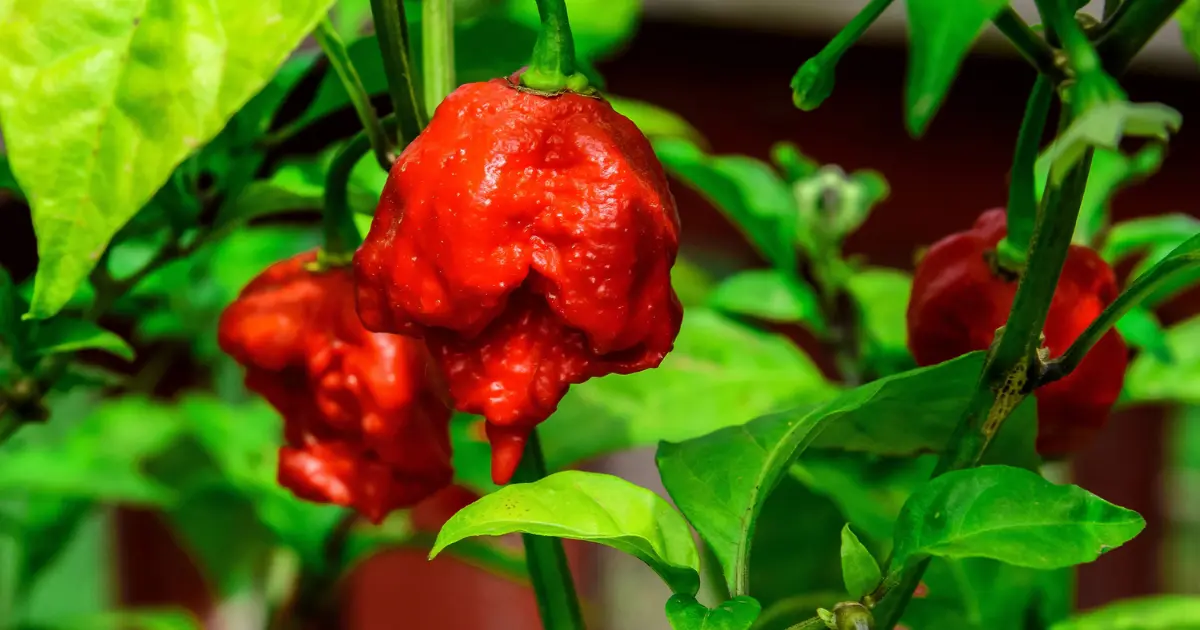
Growing Carolina Reaper Peppers in Pots: A Complete Guide for Beginners
If you’ve ever wanted to add some serious, record-breaking heat to your home cooking, you’ve [...]
May
Growing Curry Leaf Plant in Pots: A Complete Guide for Beginners
If you’re a fan of authentic South Asian cuisine, you already know that nothing compares [...]
May

Reviews
There are no reviews yet.