
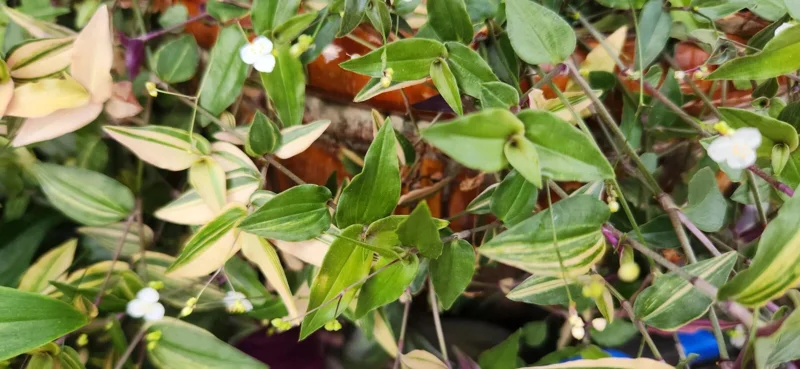
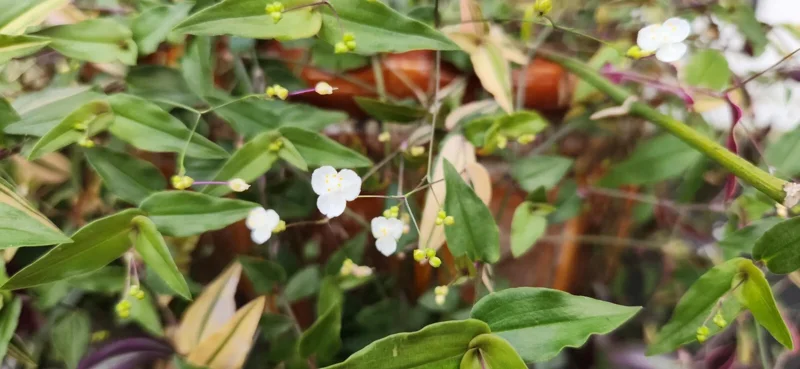
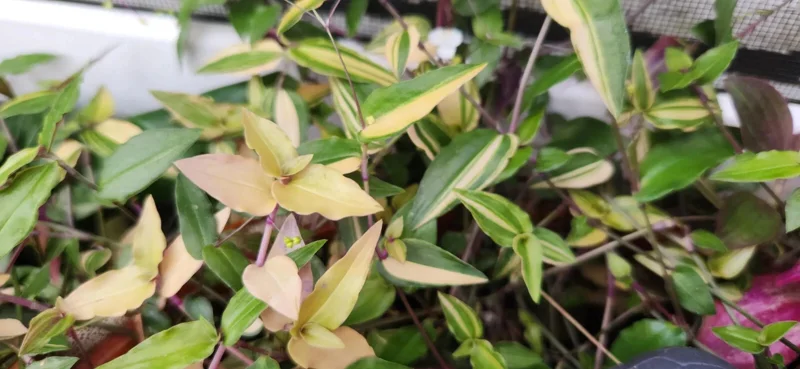
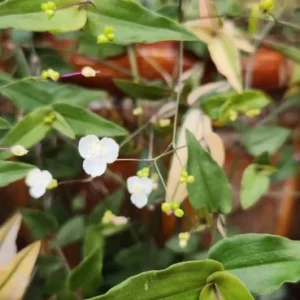
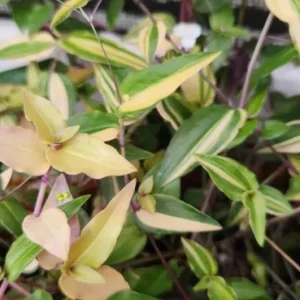
Variegated Gibasis Geniculata Tahitian Bridal Veil Live Plant – White Blooming Wandering Jewel
Original price was: $35.98.$17.99Current price is: $17.99.
Enhance your home with a stunning variegated gibasis geniculata, also known as the tahitian bridal veil plant care. This delicate live plant boasts charming white flowers and attractive foliage, making it an ideal choice for hanging baskets or as a vibrant ground cover. Its cascading habit and ease of care make it a popular selection for both novice and experienced plant enthusiasts looking for a delightful wandering jew plant white flowers.
Estimated arrival
Oct 16
Oct 21 - Oct 23
Oct 26 - Oct 30

Reasonable Price
We offer reasonable price

Support 24/7
Contact us 24 hrs a day

100% Money Back
You've 30 days to Return

Payment Secure
100% secure payment
Overview
Introducing the exquisite variegated gibasis geniculata, commonly known as the Tahitian Bridal Veil or sometimes referred to as a Wandering Jew plant due to its trailing growth habit. This captivating live plant is celebrated for its delicate beauty, featuring small, star-like white blooms that appear in profusion against a backdrop of attractive variegated foliage. The leaves often display hues of green and purple, with a silvery shimmer on the undersides, creating a dynamic visual appeal. Perfect for adding a touch of elegance and whimsy to any indoor or outdoor setting, the Tahitian Bridal Veil is a versatile and relatively easy-to-care-for specimen. Its graceful, trailing stems make it an ideal candidate for hanging baskets, allowing its ‘bridal veil’ of flowers and leaves to cascade beautifully. Whether you’re a seasoned plant collector or just starting your green journey, this plant offers persistent charm and a rewarding growing experience, transforming your space into a lush, vibrant sanctuary.
The botanical name, Gibasis geniculata, points to its unique structure and growth. This plant is not only visually appealing but also a joy to cultivate, thriving in conditions that mimic its tropical origins. It’s a fantastic choice for those seeking a plant that provides continuous interest with its blooms and foliage throughout the growing season. The delicate texture and contrasting colors make it a standout piece, easily complementing other plants or serving as a focal point in its own right. Cultivating a variegated gibasis geniculata brings a slice of tropical paradise right into your home or garden, offering a refreshing aesthetic and a sense of tranquility.
Key Benefits
The variegated gibasis geniculata offers a multitude of benefits that make it a cherished addition to any plant collection. Its unique characteristics contribute to both aesthetic appeal and ease of maintenance, ensuring a delightful experience for growers.
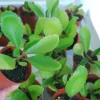
- Stunning Variegated Foliage: The leaves of the variegated gibasis geniculata feature intricate patterns of green and purple, often with a metallic sheen, providing continuous visual interest even when not in bloom. This striking foliage adds depth and texture to any plant arrangement.
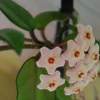
- Abundant White Blooms: Throughout the warmer months, this plant produces a profusion of tiny, delicate white flowers that resemble a ‘bridal veil,’ creating a soft, ethereal effect. These blooms add a touch of purity and elegance to its overall appearance.
- Versatile Trailing Habit: With its graceful, cascading stems, the Tahitian Bridal Veil is perfectly suited for hanging baskets, elevated planters, or as a charming ground cover. Its trailing nature allows it to spill over edges, creating a dynamic and lush display.
- Relatively Low Maintenance: This plant is known for its forgiving nature, making it an excellent choice for both beginner and experienced gardeners. It tolerates a range of conditions and doesn’t demand constant attention, simplifying tahitian bridal veil plant care.
- Air Purifying Qualities: Like many houseplants, the wandering jew plant white flowers contributes to improved indoor air quality by absorbing common pollutants, creating a healthier and more refreshing living environment.
- Rapid Growth: The Tahitian Bridal Veil is a fast grower, quickly filling out containers and baskets, providing an instant lush look. This rapid growth makes it satisfying to watch and easy to propagate.
- Adaptable to Various Settings: While often grown indoors, it can also thrive outdoors in shaded areas during warmer weather, making it a flexible choice for various garden designs and patio decor. Its adaptability makes it a popular choice for those wondering how to grow tahitian bridal veil in different environments.
Plant Care & Growing Tips
Proper tahitian bridal veil plant care ensures a healthy and vibrant plant that will continuously delight with its variegated foliage and white blooms. This plant thrives with consistent attention to its basic needs, though it is generally forgiving. For those interested in gibasis geniculata indoor cultivation, understanding its preferences is key to success. It prefers bright, indirect light. Direct sunlight, especially harsh afternoon sun, can scorch its delicate leaves, causing them to fade or turn brown. An east-facing window or a spot a few feet away from a south or west-facing window is ideal. If growing outdoors, choose a location with dappled shade or morning sun and afternoon shade.
When it comes to watering, the variegated gibasis geniculata prefers consistently moist soil but dislikes being waterlogged. Water thoroughly when the top inch of soil feels dry to the touch. Ensure proper drainage to prevent root rot, which is a common issue for many houseplants. During the dormant winter months, reduce watering frequency, allowing the soil to dry out a bit more between waterings. Use a well-draining potting mix, ideally one formulated for houseplants or a mix containing perlite or sand to improve aeration. Fertilize every 2-4 weeks during the growing season (spring and summer) with a balanced liquid fertilizer diluted to half strength. Reduce or cease fertilization during fall and winter.
The Tahitian Bridal Veil enjoys high humidity, which can be provided by misting regularly, placing it near a humidifier, or using a pebble tray. It prefers temperatures between 60-75°F (15-24°C) and should be protected from cold drafts or temperatures below 50°F (10°C). Pruning can help maintain a bushy, compact shape and encourage more branching, leading to a fuller display. Pinch back leggy stems to promote new growth. Propagation is incredibly easy from stem cuttings placed in water or directly into moist soil. Keep an eye out for common pests like spider mites or mealybugs, especially in dry conditions. Regular inspection and prompt treatment with insecticidal soap can keep your variegated gibasis geniculata healthy. Understanding these care tips is crucial for those asking how to grow tahitian bridal veil successfully.
Size & Details
The variegated gibasis geniculata is typically sold as a live plant, often in a nursery pot ready for transplanting into your preferred container or hanging basket. As a fast-growing, trailing plant, its stems can reach lengths of 12-24 inches or more, creating a beautiful cascading effect. The individual leaves are small, typically 1-2 inches long, displaying their characteristic green and purple variegation. When mature, the plant forms a dense mound of foliage and flowers, making it an excellent choice for filling out spaces quickly. The small white flowers are less than half an inch in diameter but appear in such abundance that they create a significant visual impact.
This species is known for its vigorous growth, allowing it to establish quickly in its new environment. It can be cultivated year-round indoors in most climates, providing continuous beauty. Outdoors, it performs best as an annual in cooler zones or as a perennial in warmer, frost-free regions. It does not have a distinct dormancy period beyond a slight slowdown in growth during winter if light levels are reduced. The plant’s overall size and spread can be easily managed through regular pruning, encouraging a bushier habit rather than overly long, sparse stems. When you receive your variegated gibasis geniculata, it will be a young, healthy specimen ready to grow and flourish under your care, quickly developing into a lush display of foliage and blooms.
Frequently Asked Questions
- Q: How big does this plant get? A: The variegated gibasis geniculata is a trailing plant, and its stems can grow quite long, typically reaching 1 to 2 feet in length, creating a beautiful cascading effect. The overall spread depends on the container size and how frequently it is pruned.
- Q: Is this an indoor or outdoor plant? A: It is primarily grown as an indoor houseplant due to its preference for warmer temperatures and indirect light. However, it can thrive outdoors in shaded areas during warm summer months in USDA zones 9-11 or as an annual in cooler climates.
- Q: How much sunlight does it need? A: The Tahitian Bridal Veil prefers bright, indirect light. Direct sunlight, especially harsh afternoon sun, can scorch its leaves. A spot near an east-facing window or a well-lit area with filtered light is ideal for healthy growth and prolific blooms.
- Q: Is this plant easy to care for? A: Yes, the tahitian bridal veil plant care is generally considered easy, making it suitable for beginners. It requires consistent moisture, bright indirect light, and occasional feeding. Its forgiving nature makes it a popular choice.
- Q: What condition will it arrive in? A: Your variegated gibasis geniculata will arrive as a live plant, carefully packaged in its nursery pot, ready for you to acclimate and transplant. We take great care to ensure it reaches you in excellent health.
- Q: How often should I water my Tahitian Bridal Veil? A: Water when the top inch of soil feels dry to the touch. It prefers consistently moist soil but never soggy. Ensure good drainage to prevent root rot. Reduce watering in winter.
- Q: Is the wandering jew plant white flowers pet-safe? A: While generally considered mildly toxic if ingested, it’s best to keep the wandering jew plant white flowers out of reach of pets to avoid any potential irritation or upset stomach.
- Q: When is the best time to plant or repot? A: The best time to plant or repot your gibasis geniculata indoor is during the spring or early summer when the plant is actively growing. This allows it to establish quickly in its new container.
- Q: Why are the leaves losing their variegation or color? A: Loss of variegation or fading colors can be a sign of insufficient light. Move your plant to a brighter location with indirect light to help restore its vibrant hues.
- Q: How to grow tahitian bridal veil to encourage more blooms? A: To encourage more blooms, ensure the plant receives adequate bright, indirect light, consistent moisture, and regular feeding during the growing season. Pinching back leggy growth can also promote a bushier plant with more flowering points.
Be the first to review “Variegated Gibasis Geniculata Tahitian Bridal Veil Live Plant – White Blooming Wandering Jewel”
-
USDA Hardiness Zone
USDA zones 9-11 (outdoors), otherwise grown indoors -
Soil Type
Well-draining potting mix -
Sunlight Exposure
Bright, indirect light -
Expected Planting Period
Year-round indoors, spring to summer outdoors
People Also Viewd
Sold 134 products
Original price was: $3,536.00.$23.99Current price is: $23.99.
Sold 132 products
Original price was: $27.00.$24.00Current price is: $24.00.
Sold 132 products
Original price was: $89.99.$64.99Current price is: $64.99.

Sold 125 products
Original price was: $86.99.$66.99Current price is: $66.99.
Flower Bulbs
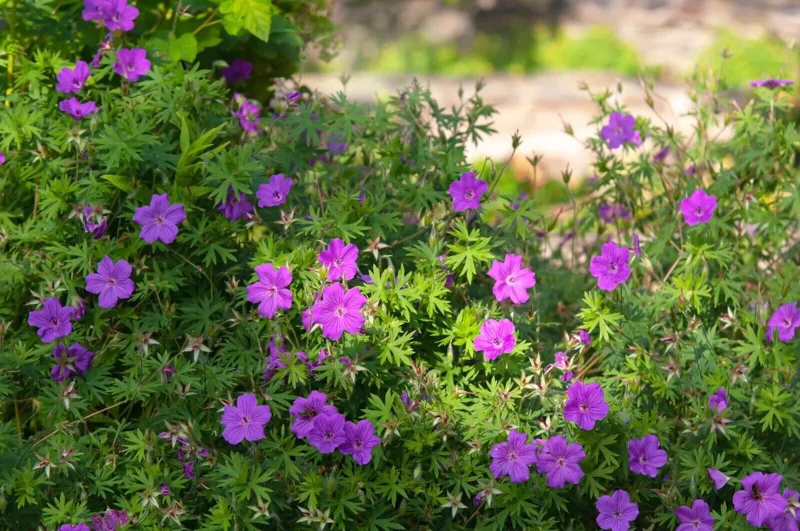
3 Cranesbill Wild Geranium Organic Maculatums Bare Roots | Wildflower for Outdoor Garden
Sold 116 products
Original price was: $21.99.$9.99Current price is: $9.99.
Sold 114 products
Original price was: $28.99.$17.99Current price is: $17.99.
Sold 110 products
Original price was: $63.99.$28.99Current price is: $28.99.
Sold 108 products
Original price was: $28.99.$17.99Current price is: $17.99.RELATED posts
How to Grow Arbequina Olive Trees: The Ultimate Guide to Your Own Olive Grove
Arbequina Olive Tree (Olea europaea ‘Arbequina’) – the ultimate Mediterranean plant that brings a touch [...]
Oct
Growing Garlic in Containers This Fall: A Complete Guide for Beginners
If you’ve ever wanted to pop fresh, aromatic garlic cloves straight from your own patio [...]
Sep
Growing Camellia Sinensis (Tea Plants) in Containers: A Complete Guide for Beginners
If you’ve ever wanted to sip a steaming, homegrown cup of fresh green, black, or [...]
Aug
6 Best Shrubs to Plant in August You Must Try
Have you ever walked through a nursery late in the summer, admired the vibrant shrubs [...]
Aug
Growing Everbearing Strawberries in Containers: A Complete Guide for Beginners
Want to grow sweet, fresh strawberries but do not have a large garden? Everbearing strawberries [...]
Aug
Growing Egyptian Walking Onions in Containers: A Complete Guide for Beginners
If you’re looking for a hardy, no-fuss perennial onion that keeps on giving year after [...]
Jul
Growing Carolina Reaper Peppers in Pots: A Complete Guide for Beginners
If you’ve ever wanted to add some serious, record-breaking heat to your home cooking, you’ve [...]
May
Growing Curry Leaf Plant in Pots: A Complete Guide for Beginners
If you’re a fan of authentic South Asian cuisine, you already know that nothing compares [...]
May
Reviews
There are no reviews yet.