
Winterberry Holly Live Plant – Red Berry Bush for Winter Landscaping
Original price was: $46.99.$26.99Current price is: $26.99.
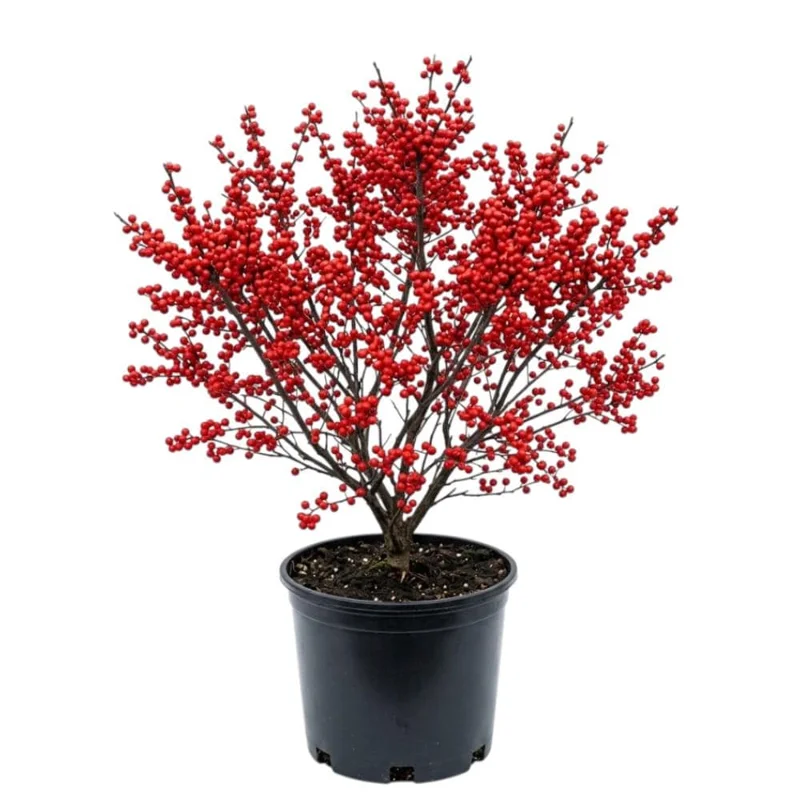
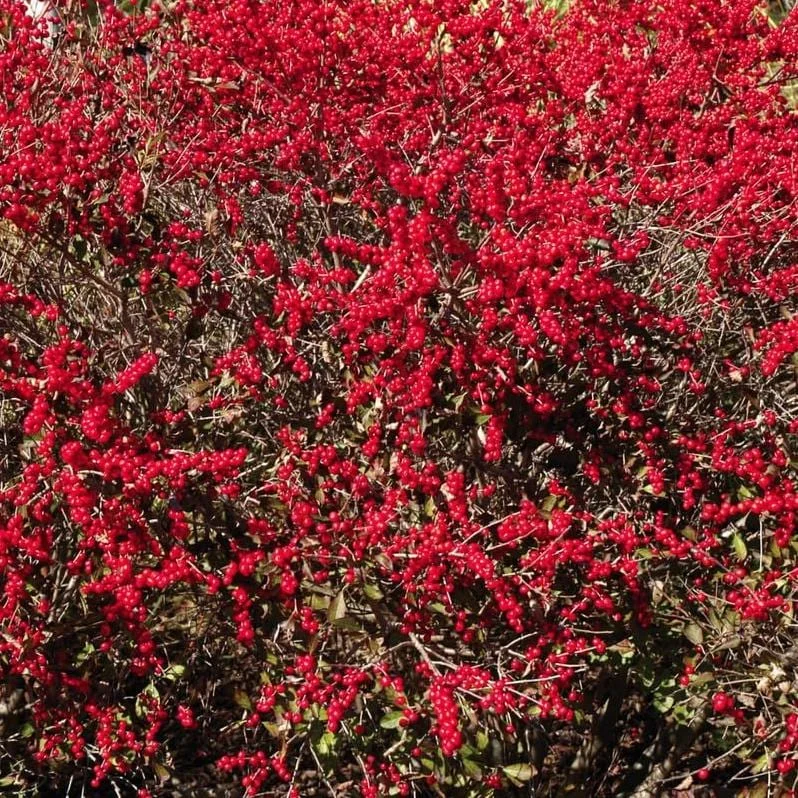
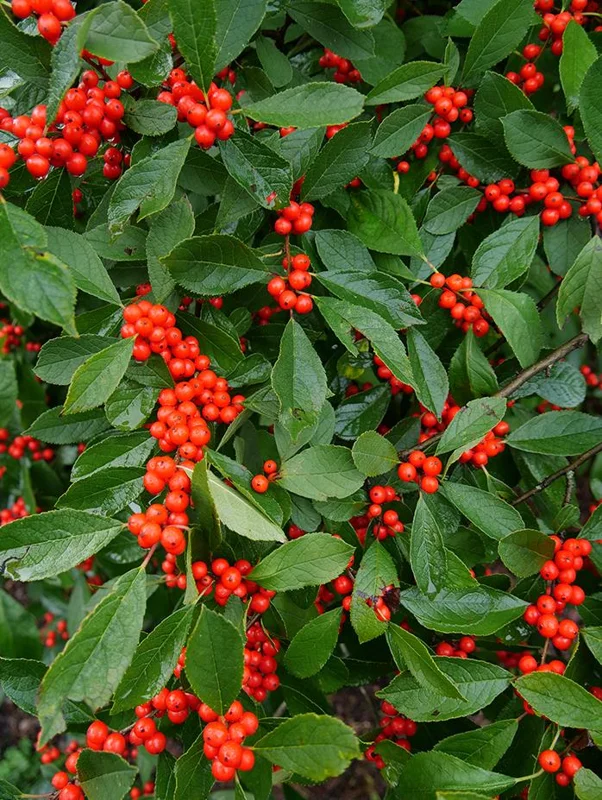
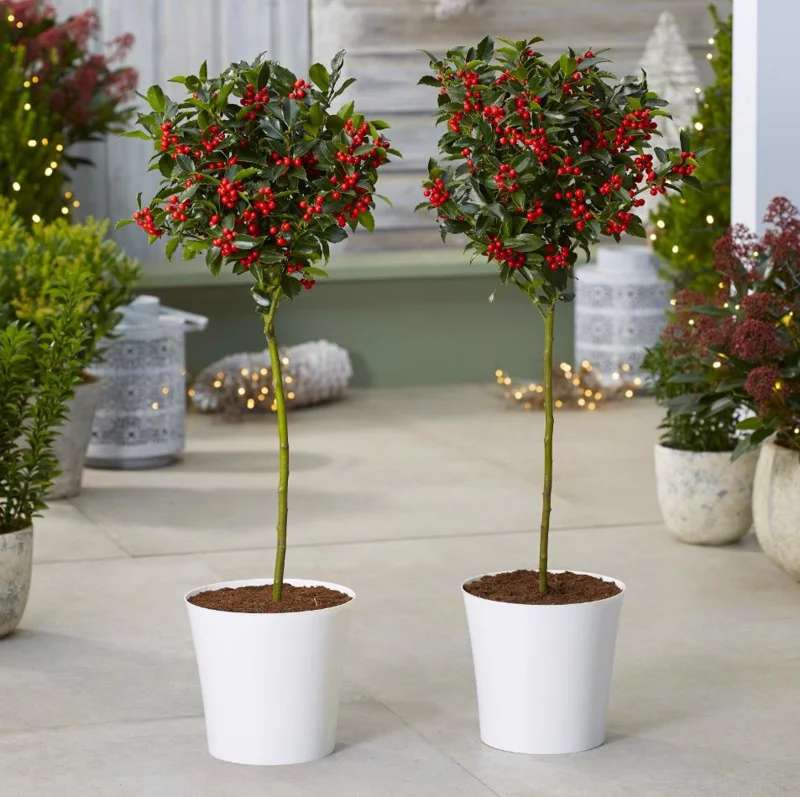
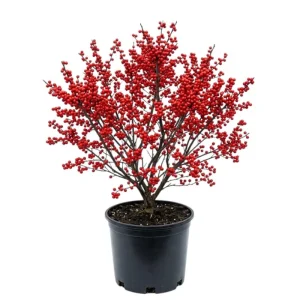
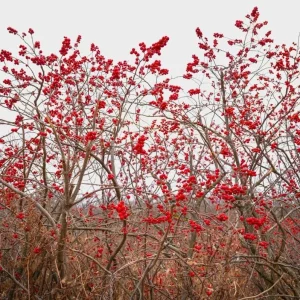
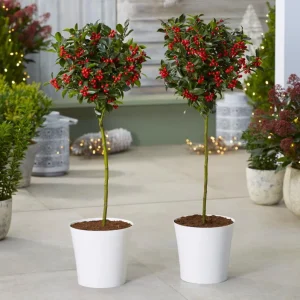
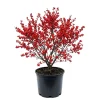
Bring brilliant winter color to your garden with a winterberry holly live plant. This deciduous shrub is cherished for its abundant, persistent red holly bush berries that provide striking visual appeal and attract birds. Perfect for naturalizing or as a dramatic focal point.
Estimated arrival
Oct 22
Oct 27 - Oct 29
Nov 01 - Nov 05

Reasonable Price
We offer reasonable price

Support 24/7
Contact us 24 hrs a day

100% Money Back
You've 30 days to Return

Payment Secure
100% secure payment
Overview
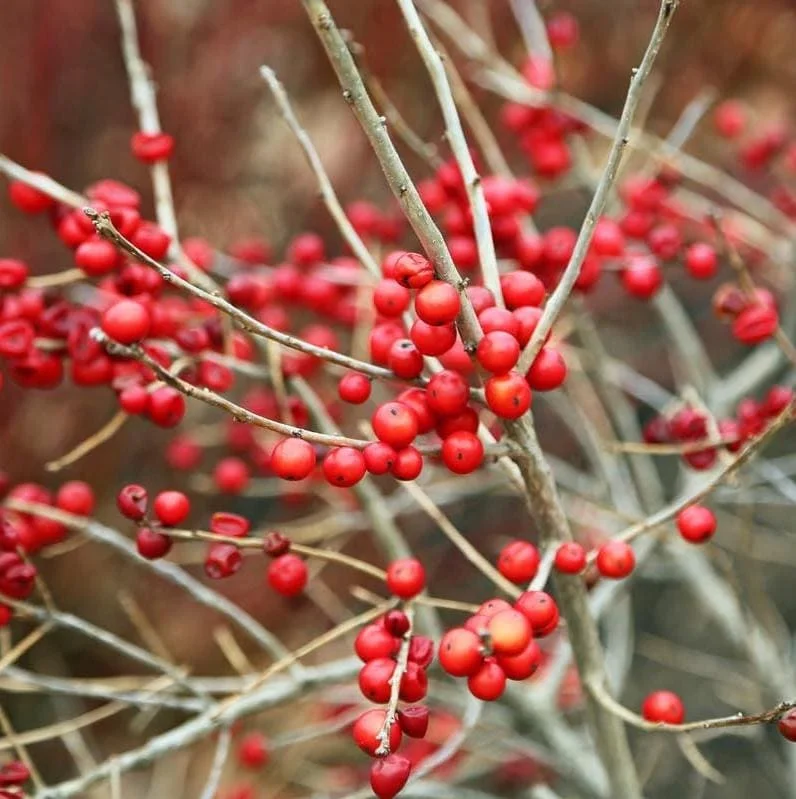
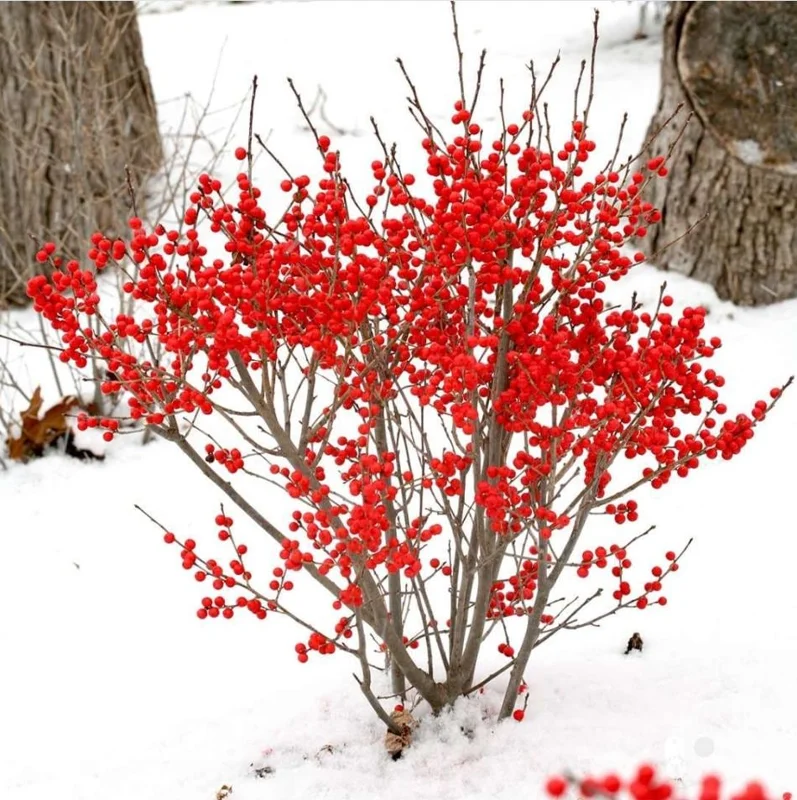
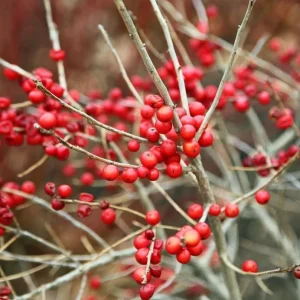
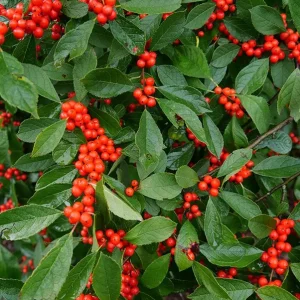
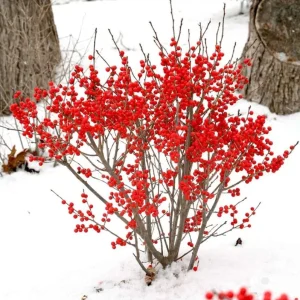
Transform your winter garden with the stunning beauty of a winterberry holly live plant. This exceptional deciduous shrub, scientifically known as Ilex verticillata, is celebrated for its dense clusters of bright red berries that persist long after its leaves have fallen. Unlike evergreen hollies, the Winterberry reveals its true splendor in colder months, offering a vibrant splash of color against a snowy backdrop. It’s a must-have for anyone seeking to add significant visual impact and wildlife appeal to their landscape during the dormant season. Our winterberry holly live plant arrives ready to thrive, eager to establish itself and become a cherished part of your outdoor space, providing a spectacular display year after year.
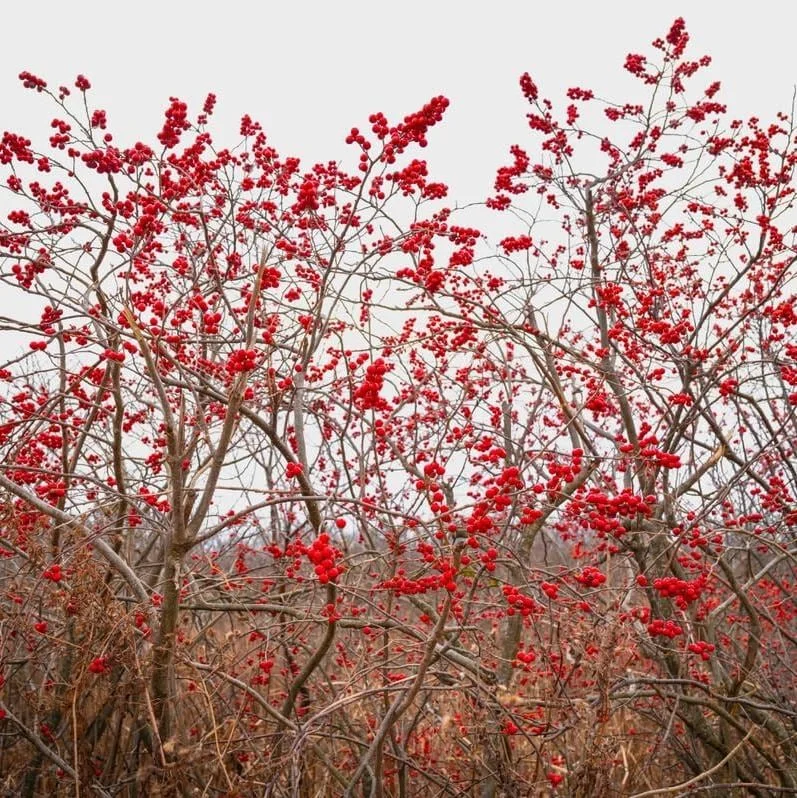
The winterberry holly live plant is a versatile shrub that can be used in various landscape designs, from naturalized areas and woodland gardens to more formal settings as a specimen plant or in mass plantings. Its striking red fruit is not only beautiful but also serves as a crucial food source for birds throughout the winter, making it an excellent choice for wildlife enthusiasts. This plant is known for its hardiness and adaptability, making it a reliable choice for many climates. Discover the joy of a garden that truly shines in winter with this magnificent plant.
Key Benefits
The winterberry holly live plant offers a multitude of benefits that make it an outstanding addition to any garden. Its unique winter appeal and ecological value are just a few reasons why it’s so highly regarded.
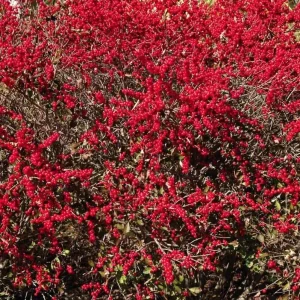
- Spectacular Winter Color: The most prominent feature of this plant is its vibrant red berries, which emerge in fall and persist through winter, providing unparalleled color when most other plants are dormant. This creates a dramatic contrast in the landscape.
- Attracts Wildlife: The abundant berries serve as an essential food source for various bird species, including robins, cedar waxwings, and mockingbirds, providing sustenance during cold months and bringing lively activity to your garden.
- Excellent for Floral Arrangements: The berry-laden branches are highly sought after for winter floral arrangements, holiday decorations, and wreaths, adding a natural and festive touch to indoor settings.
- Low Maintenance: Once established, the winterberry holly live plant is relatively easy to care for, requiring minimal pruning and being quite tolerant of various conditions, making it suitable for both experienced and novice gardeners.
- Versatile Landscape Use: This shrub can be planted as a specimen, in mixed borders, along ponds, in rain gardens, or as an informal hedge, offering flexibility in garden design. Its deciduous nature allows its striking berries to be fully appreciated.
- Hardy and Resilient: Winterberry Holly is known for its robust nature, tolerating a wide range of soil conditions and cold temperatures, ensuring it thrives in many different environments and provides reliable performance.
Plant Care & Growing Tips
Caring for your winterberry holly live plant is straightforward, ensuring a beautiful display of berries each winter. For optimal growth and fruiting, understanding its specific needs is crucial. This plant thrives in a location that receives full sun to partial shade. Full sun (at least 6 hours of direct sunlight per day) will generally result in the most abundant berry production. While it tolerates some shade, too much shade can reduce the number of berries it produces. When considering winterberry shrub care, proper light exposure is key to its winter spectacle.
Watering is particularly important during the plant’s establishment phase. Water regularly, especially when young, to ensure the soil remains consistently moist. Once established, Winterberry Holly is quite adaptable and can tolerate both average garden soil and wetter conditions, making it suitable for rain gardens or areas with poor drainage. It prefers well-drained, slightly acidic soil. Good drainage is essential to prevent root rot, although it is more tolerant of wet feet than many other shrubs. Fertilize lightly in spring with a balanced, slow-release granular fertilizer formulated for acid-loving plants. Pruning should be done in late winter or early spring before new growth begins. Remove any dead, damaged, or crossing branches. You can also prune to shape the plant or to control its size. Remember that berries form on old wood, so excessive pruning can reduce the next season’s berry crop. To ensure maximum berry production, it’s vital to plant both male and female Winterberry Holly plants, as only the female plants produce berries and require a male pollinator nearby. One male plant can pollinate several female plants within a reasonable distance.
Size & Details
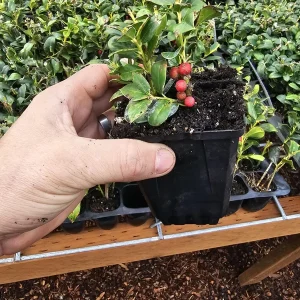
Your winterberry holly live plant will arrive ready to plant, typically in a nursery pot, ensuring a healthy start in your garden. These deciduous shrubs generally reach a mature height of 6-10 feet and a spread of 5-8 feet, though specific cultivars may vary. Growth rate is moderate, allowing the plant to establish itself well within a few seasons. The plant’s structure allows for a full, rounded shape, which can be maintained with occasional pruning. Berries begin to appear in early autumn, intensifying in color as winter approaches and often persisting until early spring, providing an extended season of interest. The plant’s ability to retain its fruit long into the winter makes it an invaluable asset for creating stunning winter landscapes and providing sustenance for local wildlife, embodying the essence of a true winter interest plant.
Frequently Asked Questions
- Q: How big does a winterberry holly live plant get? A: A winterberry holly live plant typically grows to a mature height of 6-10 feet with a spread of 5-8 feet. Its size can be managed with pruning, allowing it to fit into various garden spaces.
- Q: Is this an indoor or outdoor plant? A: This is an outdoor plant, best suited for garden beds, borders, or naturalized areas where it can receive the necessary sunlight and space to thrive. It requires dormant periods and cold temperatures to produce berries.
- Q: How much sunlight does a red holly bush need? A: A red holly bush thrives in full sun to partial shade. For the most abundant berry production, aim for at least 6 hours of direct sunlight per day.
- Q: Is Winterberry Holly easy to care for? A: Yes, Winterberry Holly is generally considered easy to care for. Once established, it is quite adaptable and requires minimal maintenance, making it suitable for gardeners of all experience levels.
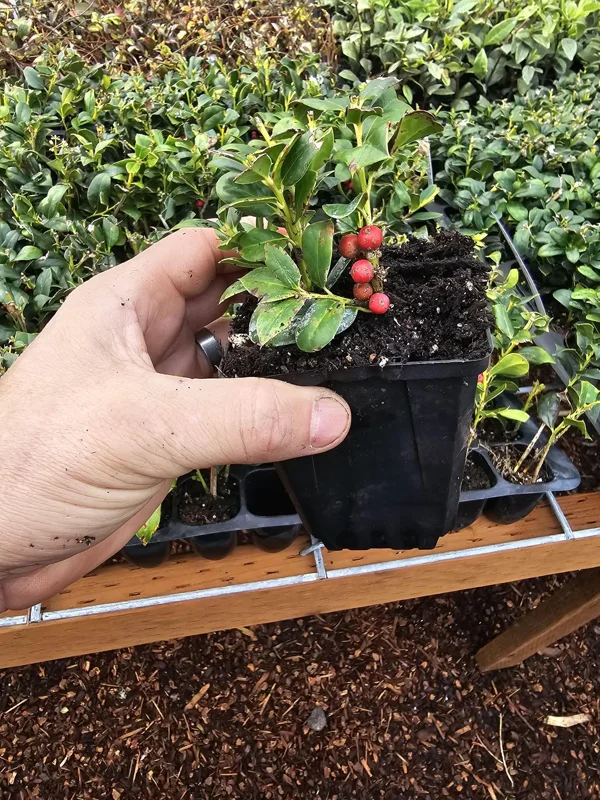
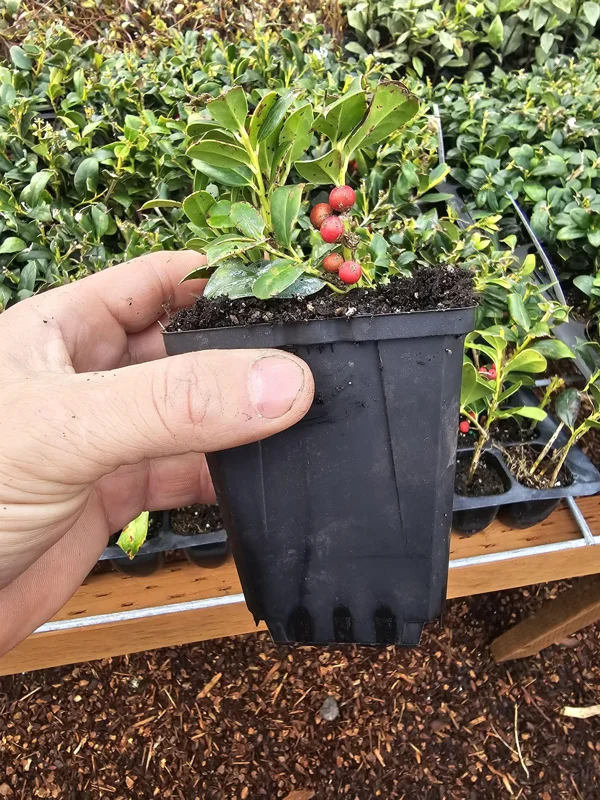
- Q: What condition will the winterberry shrub arrive in? A: Your winterberry shrub care starts with us. It will arrive as a healthy, live plant, typically in a nursery pot, ready for planting. We take great care in packaging to ensure it reaches you in excellent condition.
- Q: When is the best time to plant Winterberry Holly? A: The best time to plant Winterberry Holly is in the spring or fall. This allows the plant to establish its root system before the extreme temperatures of summer or winter.
- Q: Does this plant attract wildlife? A: Absolutely! The vibrant red berries of the ilex verticillata are a significant food source for many bird species during the winter months, making it an excellent choice for attracting wildlife to your garden.
- Q: What type of soil does Winterberry Holly prefer? A: Winterberry Holly prefers well-drained, slightly acidic soil. It can tolerate a range of soil conditions, including wetter areas, making it quite versatile.
- Q: Will Winterberry Holly survive winter in my zone? A: Winterberry Holly is very hardy and is suitable for a wide range of USDA Hardiness Zones, typically thriving in zones 3-9. It is renowned for its ability to withstand cold temperatures.
- Q: Do I need more than one plant for berries? A: Yes, Winterberry Holly is dioecious, meaning male and female flowers are on separate plants. You will need at least one male pollinator planted within about 50 feet of female plants to ensure berry production.
Be the first to review “Winterberry Holly Live Plant – Red Berry Bush for Winter Landscaping”
-
USDA Hardiness Zone
USDA zones 3-9 -
Soil Type
Well-drained, slightly acidic soil -
Sunlight Exposure
Full sun to partial shade -
Expected Planting Period
Spring to fall
People Also Viewd


Sold 134 products
Original price was: $3,536.00.$23.99Current price is: $23.99.

Sold 132 products
Original price was: $27.00.$24.00Current price is: $24.00.

Sold 132 products
Original price was: $89.99.$64.99Current price is: $64.99.

Sold 125 products
Original price was: $86.99.$66.99Current price is: $66.99.

Flower Bulbs
3 Cranesbill Wild Geranium Organic Maculatums Bare Roots | Wildflower for Outdoor Garden
Sold 116 products
Original price was: $21.99.$9.99Current price is: $9.99.

Sold 114 products
Original price was: $28.99.$17.99Current price is: $17.99.
Sold 110 products
Original price was: $63.99.$28.99Current price is: $28.99.
Sold 108 products
Original price was: $28.99.$17.99Current price is: $17.99.RELATED posts
How to Grow Arbequina Olive Trees: The Ultimate Guide to Your Own Olive Grove
Arbequina Olive Tree (Olea europaea ‘Arbequina’) – the ultimate Mediterranean plant that brings a touch [...]
Oct
Growing Garlic in Containers This Fall: A Complete Guide for Beginners
If you’ve ever wanted to pop fresh, aromatic garlic cloves straight from your own patio [...]
Sep
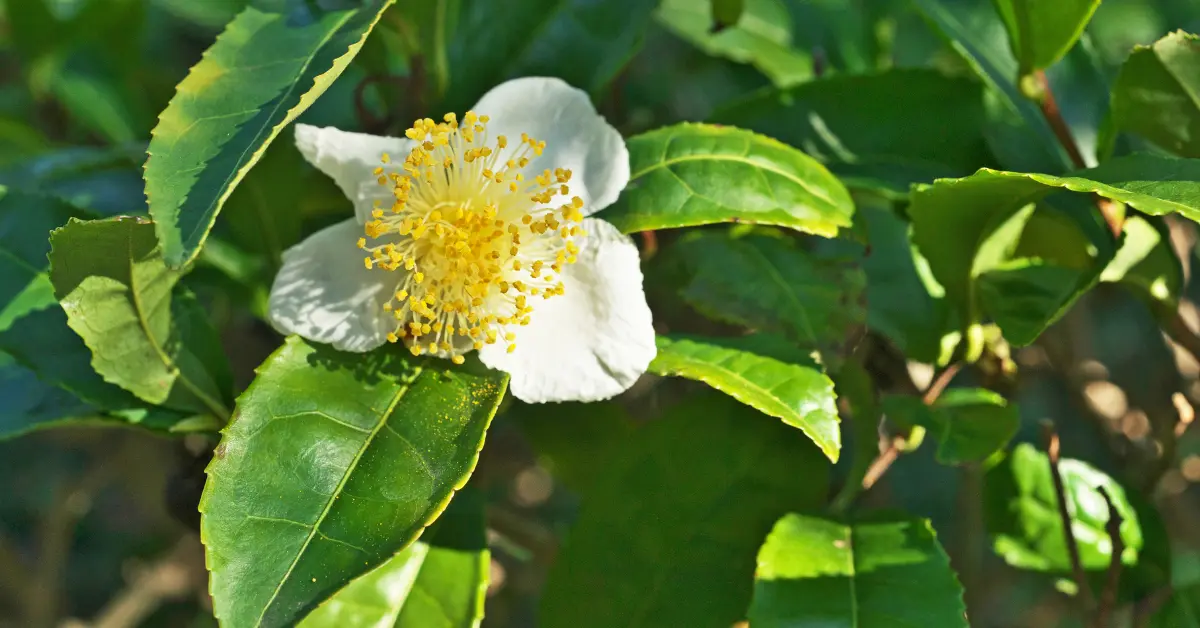
Growing Camellia Sinensis (Tea Plants) in Containers: A Complete Guide for Beginners
If you’ve ever wanted to sip a steaming, homegrown cup of fresh green, black, or [...]
Aug
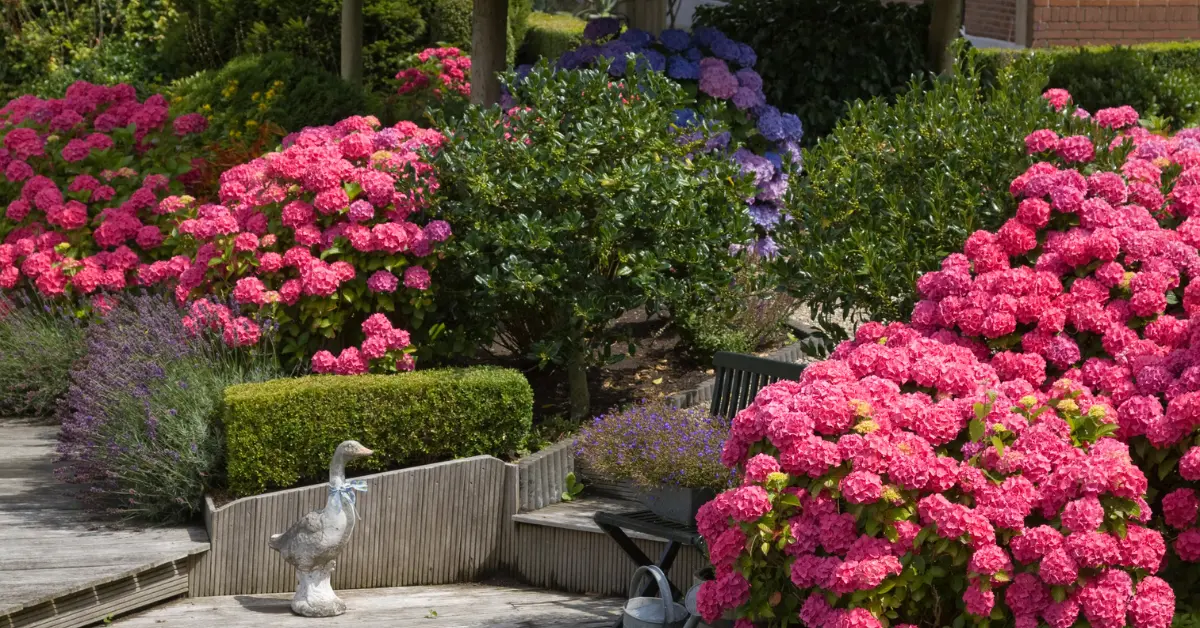
6 Best Shrubs to Plant in August You Must Try
Have you ever walked through a nursery late in the summer, admired the vibrant shrubs [...]
Aug
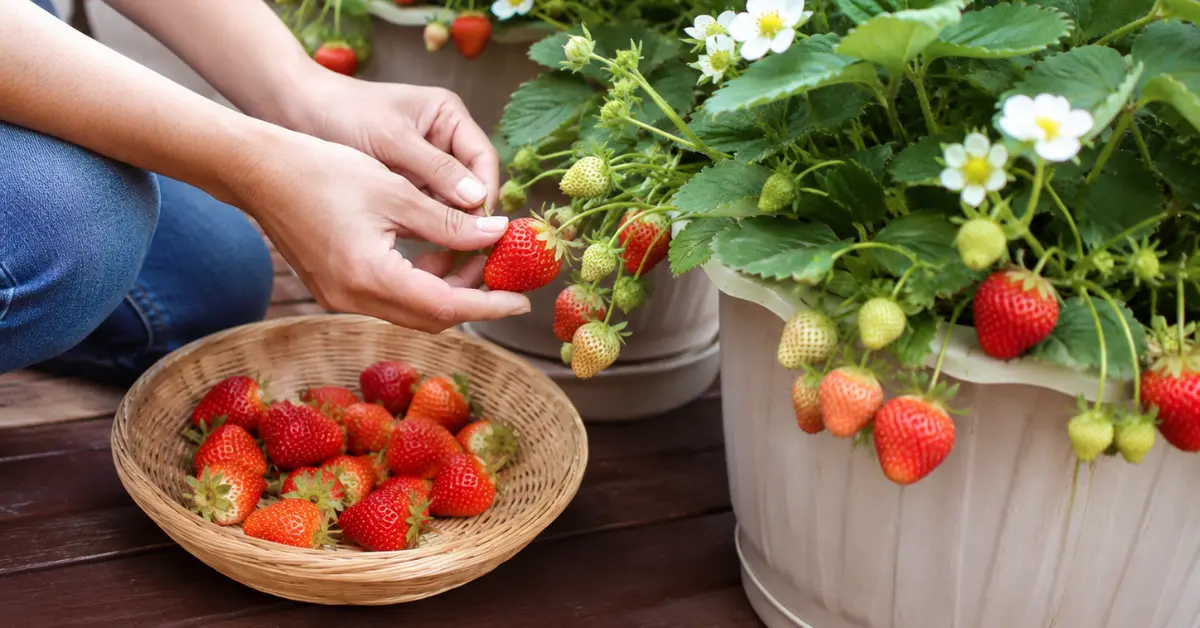
Growing Everbearing Strawberries in Containers: A Complete Guide for Beginners
Want to grow sweet, fresh strawberries but do not have a large garden? Everbearing strawberries [...]
Aug
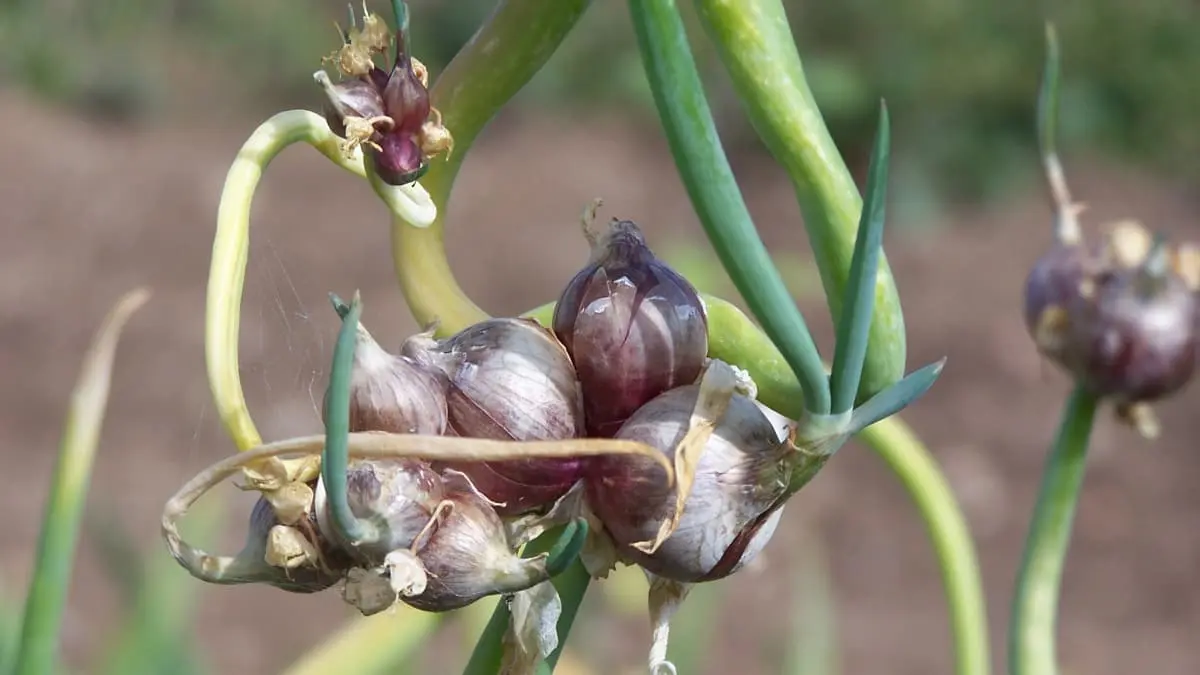
Growing Egyptian Walking Onions in Containers: A Complete Guide for Beginners
If you’re looking for a hardy, no-fuss perennial onion that keeps on giving year after [...]
Jul
Growing Carolina Reaper Peppers in Pots: A Complete Guide for Beginners
If you’ve ever wanted to add some serious, record-breaking heat to your home cooking, you’ve [...]
May
Growing Curry Leaf Plant in Pots: A Complete Guide for Beginners
If you’re a fan of authentic South Asian cuisine, you already know that nothing compares [...]
May
Reviews
There are no reviews yet.