
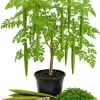
2 Moringa Oleifera Live Plants – Drumstick Tree Seedlings 3-5 Inches Tall – Outdoor Tropical
Original price was: $36.98.$16.98Current price is: $16.98.
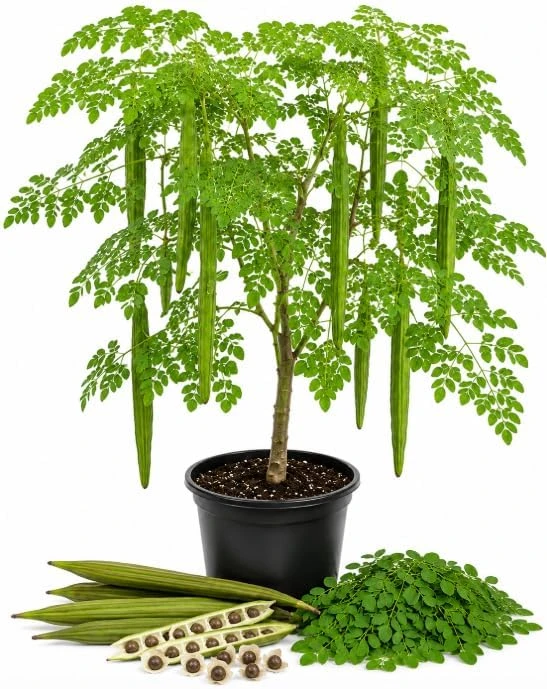
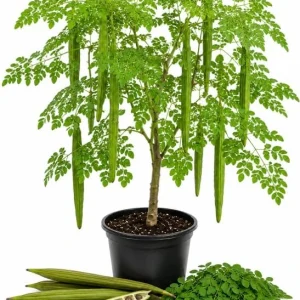
Cultivate your own superfood with these Moringa Oleifera live plants! This offer includes two healthy drumstick tree seedlings, each 3-5 inches tall. Perfect for outdoor planting in USDA Zones 9-11, these easy-care tropical trees will thrive on your patio or in your garden, bringing both beauty and nutritional benefits.
Estimated arrival
Oct 22
Oct 27 - Oct 29
Nov 01 - Nov 05

Reasonable Price
We offer reasonable price

Support 24/7
Contact us 24 hrs a day

100% Money Back
You've 30 days to Return

Payment Secure
100% secure payment
Overview
Discover the incredible potential of the Moringa Oleifera live plants, often hailed as the “Miracle Tree.” This package includes two vibrant drumstick tree seedlings, each measuring approximately 3-5 inches tall, ready to be transplanted into your garden or patio containers. Known for its rapid growth and exceptional nutritional profile, Moringa Oleifera is a tropical deciduous tree native to India but now cultivated worldwide. Every part of the moringa tree – leaves, pods, flowers, and roots – is edible and packed with vitamins, minerals, and antioxidants, making it a valuable addition to any home garden. These young plants offer you the opportunity to grow your own source of health and wellness, right from the comfort of your home. Imagine harvesting fresh, nutrient-dense leaves for smoothies, salads, or teas. Growing your own Moringa Oleifera live plants is a rewarding experience for both novice and experienced gardeners.
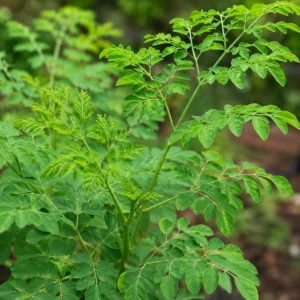
Our Moringa Oleifera live plants are carefully nurtured to ensure they arrive healthy and ready to thrive. These young seedlings are at an ideal stage for transplanting, allowing them to adapt quickly to their new environment. With proper care, these small plants will rapidly grow into productive trees, providing you with a continuous supply of nutritious leaves and pods. The elegant, feathery foliage also adds a beautiful tropical aesthetic to any outdoor space, whether it’s a sunny patio or a dedicated garden bed. Embrace sustainable living and enhance your culinary and wellness journey by adding these remarkable drumstick tree seedlings to your plant collection.
Key Benefits
Investing in Moringa Oleifera live plants brings a multitude of benefits, from nutritional advantages to garden aesthetics. These remarkable trees are not just ornamental; they are a powerhouse of health and vitality, making them a must-have for any health-conscious gardener. Cultivating your own drumstick tree seedlings ensures a fresh, organic supply of this incredible superfood.
- Nutritional Powerhouse: Moringa leaves are exceptionally rich in vitamins A, C, E, and K, as well as calcium, potassium, and iron. They contain all essential amino acids, making them a complete protein source, which is rare for a plant. Regularly consuming moringa can boost overall health and well-being.
- Rapid Growth & Productivity: These trees are known for their fast growth rate, often reaching significant heights within a year. This means you’ll quickly have a substantial harvest of leaves and pods, providing a continuous supply of fresh, nutritious produce.
- Versatile Culinary Use: The leaves can be used fresh in salads, smoothies, and juices, or dried and powdered for use in soups, stews, and teas. The young pods (drumsticks) are a popular vegetable in many cuisines, offering a unique flavor and texture.
- Drought-Tolerant & Resilient: Once established, Moringa Oleifera live plants are remarkably resilient and drought-tolerant, making them suitable for various climates, especially in warmer regions. This low-maintenance aspect makes them ideal for busy gardeners.
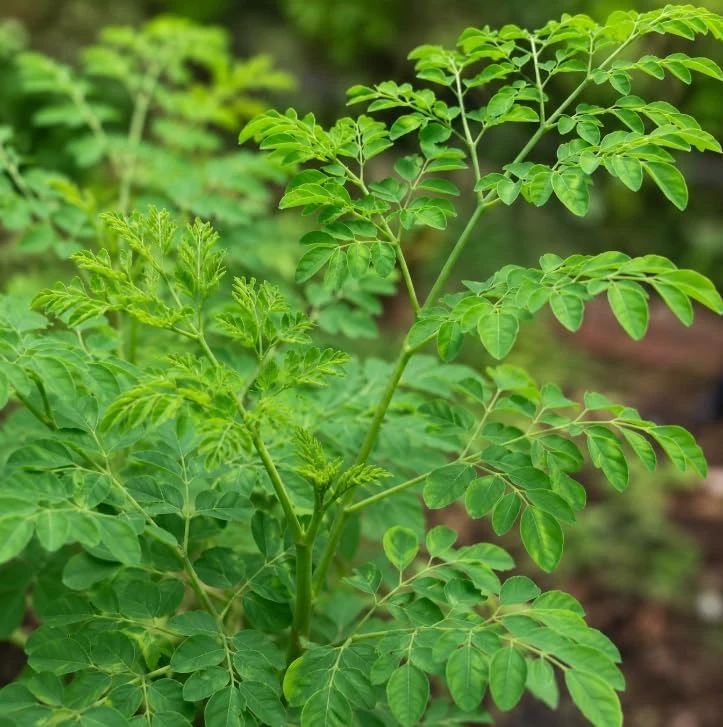
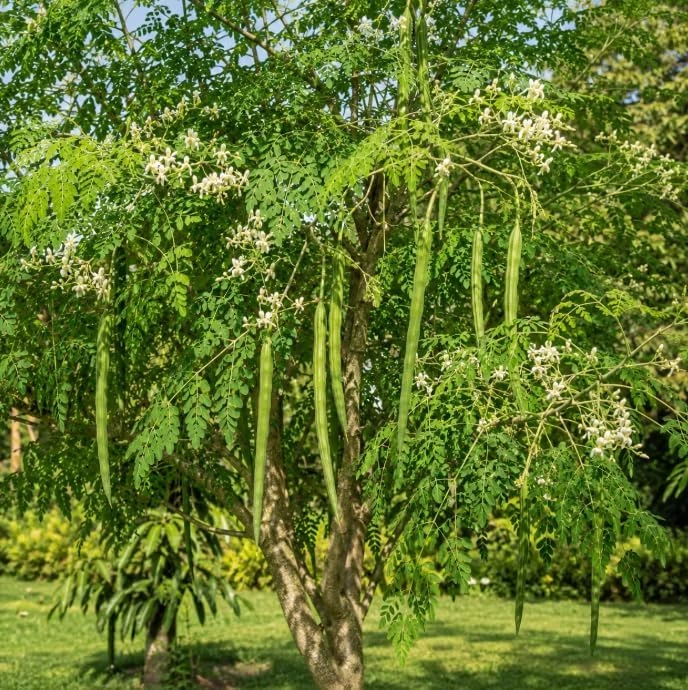
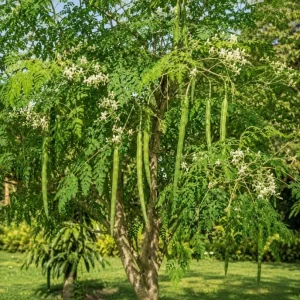
- Beautiful Tropical Addition: With their delicate, pinnate leaves and attractive form, moringa trees add an elegant, tropical touch to any garden, patio, or landscape. Their white flowers also attract pollinators, enhancing biodiversity in your outdoor space.
- Supports Wellness: Beyond basic nutrition, moringa is celebrated for its antioxidant and anti-inflammatory properties, contributing to overall wellness and potentially supporting various bodily functions.
Plant Care & Growing Tips
Caring for your Moringa Oleifera live plants is relatively straightforward, making them an excellent choice for gardeners of all experience levels. To ensure your drumstick tree seedlings thrive, pay attention to their basic needs for sunlight, water, and soil. These tropical plants love warmth and sun, so choosing the right location is key to their successful growth and abundant yields. Understanding how to grow moringa tree properly will lead to a robust and productive plant.
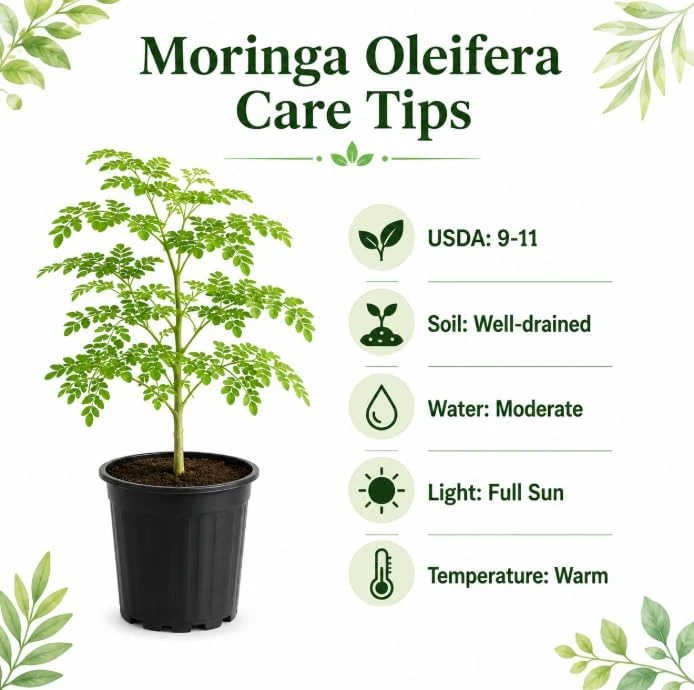
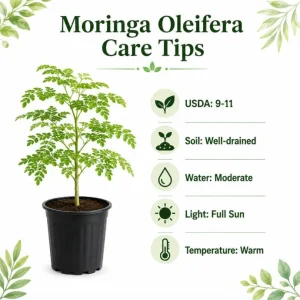
Sunlight: Moringa trees are sun-lovers and require at least 6-8 hours of direct sunlight daily to flourish. Plant them in the sunniest spot in your garden or place potted plants where they receive ample direct light. In extremely hot climates, some afternoon shade can be beneficial to prevent leaf scorch, but full sun is generally preferred. For optimal growth and leaf production, ensure your Moringa Oleifera live plants are not shaded by other larger plants or structures.
Watering: While moringa is drought-tolerant once established, young seedlings need consistent moisture. Water regularly, especially during dry spells, ensuring the soil remains moist but not waterlogged. Allow the top inch or two of soil to dry out between waterings to prevent root rot. As the plant matures, reduce watering frequency, allowing the soil to dry out more thoroughly. Good drainage is crucial, so avoid heavy, water-retentive soils. Proper watering is essential for healthy moringa plant care.
Soil: These trees prefer well-draining sandy or loamy soil. They are not particular about soil pH but thrive best in neutral to slightly acidic conditions (pH 6.0-7.0). If your soil is heavy clay, amend it with organic matter like compost and sand to improve drainage. For potted plants, use a high-quality potting mix designed for tropical plants, ensuring excellent drainage. Good soil aeration is vital for root health.
Temperature & USDA Zones:Moringa Oleifera live plants are tropical and thrive in warm temperatures, ideally between 70°F and 95°F (21°C-35°C). They are sensitive to frost and will not tolerate freezing temperatures. They are best suited for USDA Hardiness Zones 9 to 11 for outdoor planting year-round. In cooler zones, they can be grown in containers and brought indoors during winter or treated as annuals. Protect young plants from cold snaps.
Fertilization: Moringa generally does not require heavy fertilization, especially if planted in fertile soil. However, a balanced organic fertilizer or compost can be applied every few months during the growing season to promote vigorous growth. Avoid excessive nitrogen, which can lead to lush foliage but fewer flowers and pods. A light application of compost tea can also provide beneficial nutrients.
Pruning: Regular pruning is beneficial to encourage bushier growth and make harvesting easier. You can prune your moringa tree to maintain a manageable height and shape. Pruning also encourages new leaf production, which is often the most desired part of the plant. For a continuous harvest, simply snip off the younger leaves as needed.
Size & Details
This offering includes two healthy Moringa Oleifera live plants, each carefully cultivated and shipped to ensure their vitality upon arrival. Each drumstick tree seedling measures approximately 3-5 inches in height from the soil line, presenting a robust start for your gardening project. These young plants are shipped in their nursery pots, with their root systems intact and protected, minimizing transplant shock. The compact size of these seedlings makes them easy to handle and ideal for immediate planting in your chosen garden spot or larger container.
Moringa trees are known for their rapid growth rate, and with optimal conditions, these seedlings can quickly grow into substantial plants within their first year. While they can reach up to 30 feet in their native habitat, they are easily managed through pruning to a more compact, shrub-like size suitable for home gardens or even large patio containers. Expect your Moringa Oleifera live plants to begin producing harvestable leaves within a few months of planting. They will continue to grow and produce for many years with proper care, offering a consistent supply of nutritious leaves and, eventually, pods.
Frequently Asked Questions
- Q: How big do these Moringa Oleifera live plants get? A: These seedlings are 3-5 inches tall upon arrival. With optimal conditions, they can grow very quickly, often several feet in their first year. They can reach up to 30 feet if left unpruned, but can be maintained at a more manageable 6-10 feet with regular pruning, making them suitable for most home gardens or large pots.
- Q: Are these suitable for indoor growing? A: While Moringa Oleifera live plants prefer full sun outdoors, they can be grown indoors in a very sunny south-facing window or under grow lights, especially in colder climates. However, they will likely not reach their full potential or produce as prolifically as outdoor plants.
- Q: How much sunlight does a drumstick tree seedling need? A: Moringa trees are sun-loving tropical plants. They require a minimum of 6-8 hours of direct sunlight per day to thrive and produce well. Choose the sunniest spot in your garden or patio for best results.
- Q: Is this plant easy to care for, especially for beginners? A: Yes, moringa is generally considered an easy-care plant, especially once established. It’s relatively drought-tolerant and not very picky about soil, as long as it drains well. Providing plenty of sun and avoiding overwatering are the main keys to success, making it great for beginners.
- Q: What condition will the plants arrive in? A: Your Moringa Oleifera live plants will arrive carefully packaged in their nursery pots, with their root ball intact and protected. We take great care to ensure they reach you healthy and ready for transplanting. Some minor leaf yellowing from transit stress is normal but they recover quickly.
- Q: When is the best time to plant these moringa seedlings? A: The best time to plant these drumstick tree seedlings outdoors is after all danger of frost has passed and night temperatures are consistently above 50°F (10°C). If growing in a container, you can transplant them any time of year as long as you provide suitable indoor conditions.
- Q: What USDA zones are ideal for growing moringa? A: Moringa Oleifera thrives outdoors year-round in USDA Hardiness Zones 9 to 11. In colder zones, it can be grown as an annual or overwintered indoors in a pot. Understanding your zone is crucial for successful grow moringa tree cultivation.
- Q: Can I use the leaves from these plants for cooking or smoothies? A: Absolutely! The leaves of Moringa Oleifera live plants are highly nutritious and are commonly used in cooking, salads, smoothies, and teas. Once your plants have grown a bit and established themselves, you can start harvesting the young, tender leaves.
- Q: What kind of soil is best for moringa plant care? A: Moringa prefers well-draining soil, such as sandy loam. It tolerates a range of soil types but absolutely requires good drainage to prevent root rot. Amend heavy clay soils with sand and compost to improve drainage.
- Q: How often should I water my moringa plant? A: While young, keep the soil consistently moist but not waterlogged. As the plant matures, it becomes more drought-tolerant. Allow the top few inches of soil to dry out between waterings. Always check soil moisture before watering to avoid overwatering.
Be the first to review “2 Moringa Oleifera Live Plants – Drumstick Tree Seedlings 3-5 Inches Tall – Outdoor Tropical”
-
USDA Hardiness Zone
USDA Zones 9 to 11 -
Soil Type
Well-draining sandy or loamy soil -
Sunlight Exposure
Full sun (at least 6-8 hours daily) -
Expected Planting Period
Spring to early summer (after last frost)
People Also Viewd
Sold 134 products
Original price was: $3,536.00.$23.99Current price is: $23.99.
Sold 132 products
Original price was: $27.00.$24.00Current price is: $24.00.
Sold 132 products
Original price was: $89.99.$64.99Current price is: $64.99.

Sold 125 products
Original price was: $86.99.$66.99Current price is: $66.99.
Flower Bulbs
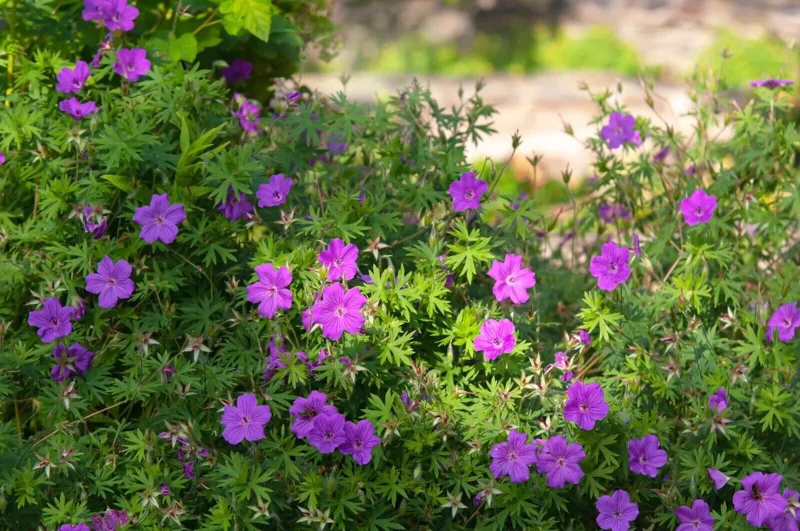
3 Cranesbill Wild Geranium Organic Maculatums Bare Roots | Wildflower for Outdoor Garden
Sold 116 products
Original price was: $21.99.$9.99Current price is: $9.99.
Sold 114 products
Original price was: $28.99.$17.99Current price is: $17.99.
Sold 110 products
Original price was: $63.99.$28.99Current price is: $28.99.
Sold 108 products
Original price was: $28.99.$17.99Current price is: $17.99.RELATED posts
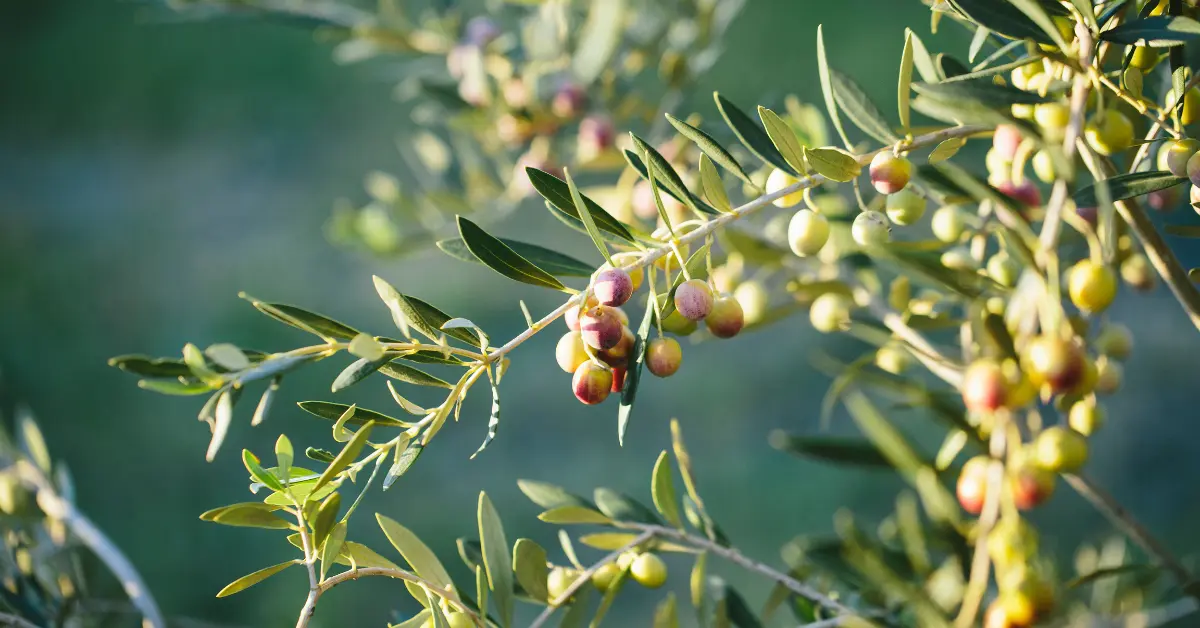
How to Grow Arbequina Olive Trees: The Ultimate Guide to Your Own Olive Grove
Arbequina Olive Tree (Olea europaea ‘Arbequina’) – the ultimate Mediterranean plant that brings a touch [...]
Oct
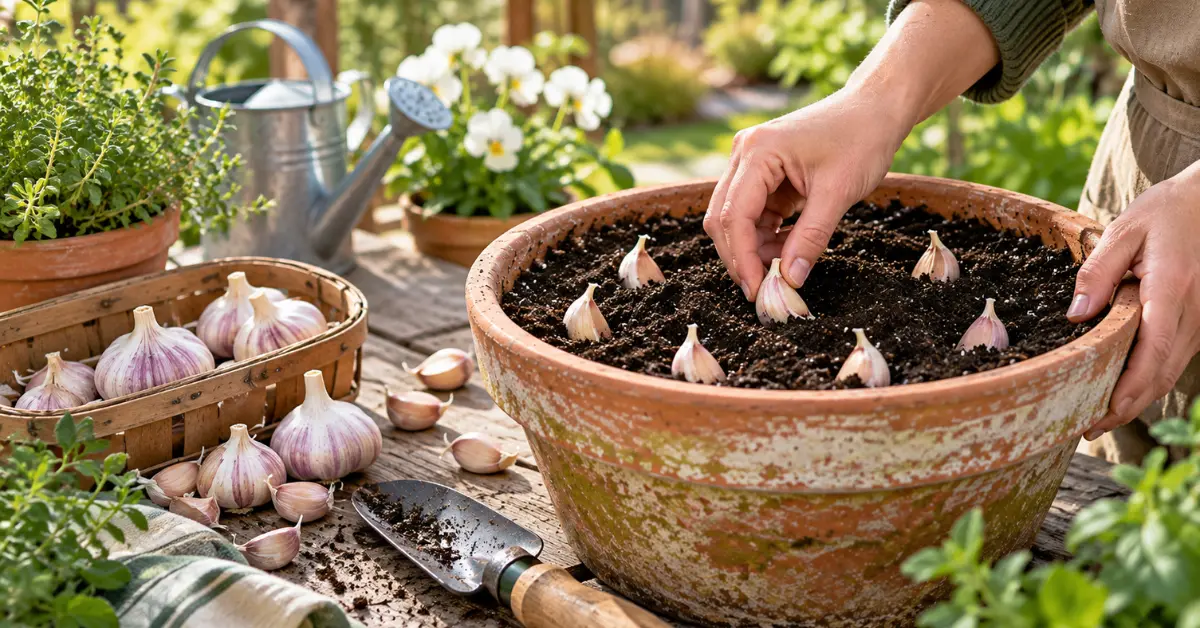
Growing Garlic in Containers This Fall: A Complete Guide for Beginners
If you’ve ever wanted to pop fresh, aromatic garlic cloves straight from your own patio [...]
Sep
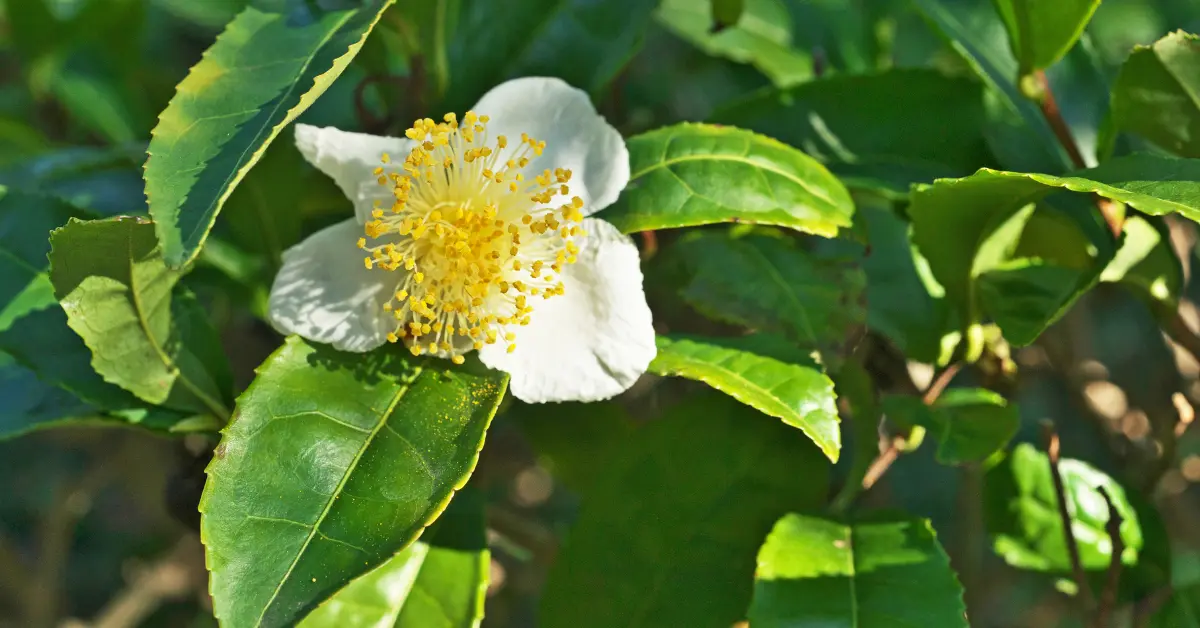
Growing Camellia Sinensis (Tea Plants) in Containers: A Complete Guide for Beginners
If you’ve ever wanted to sip a steaming, homegrown cup of fresh green, black, or [...]
Aug
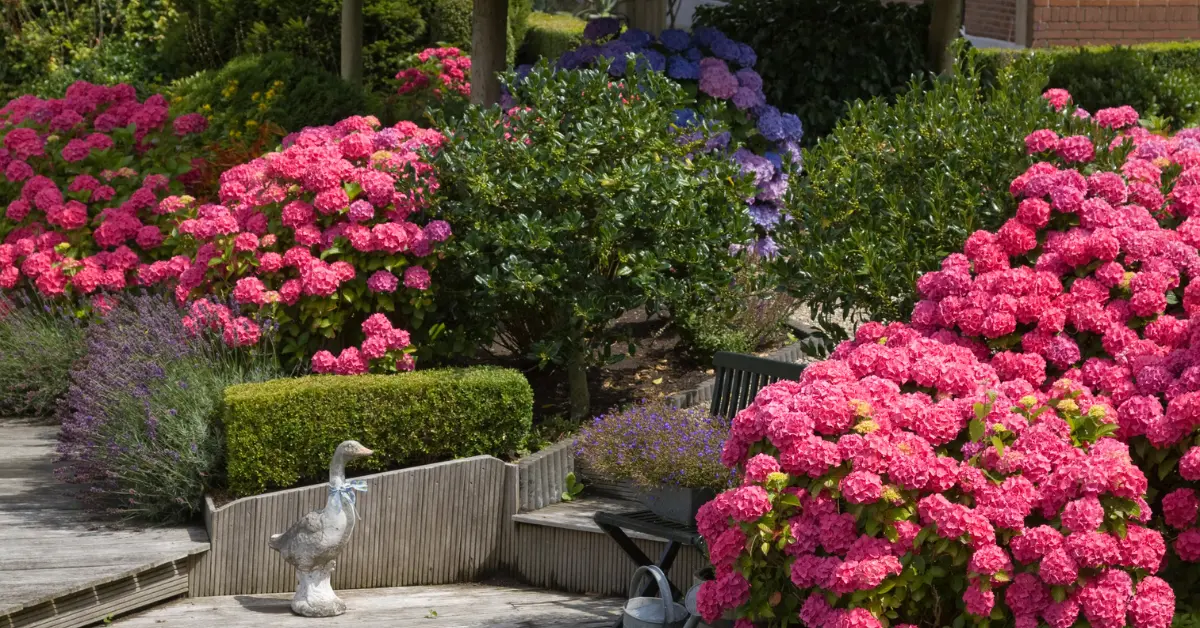
6 Best Shrubs to Plant in August You Must Try
Have you ever walked through a nursery late in the summer, admired the vibrant shrubs [...]
Aug
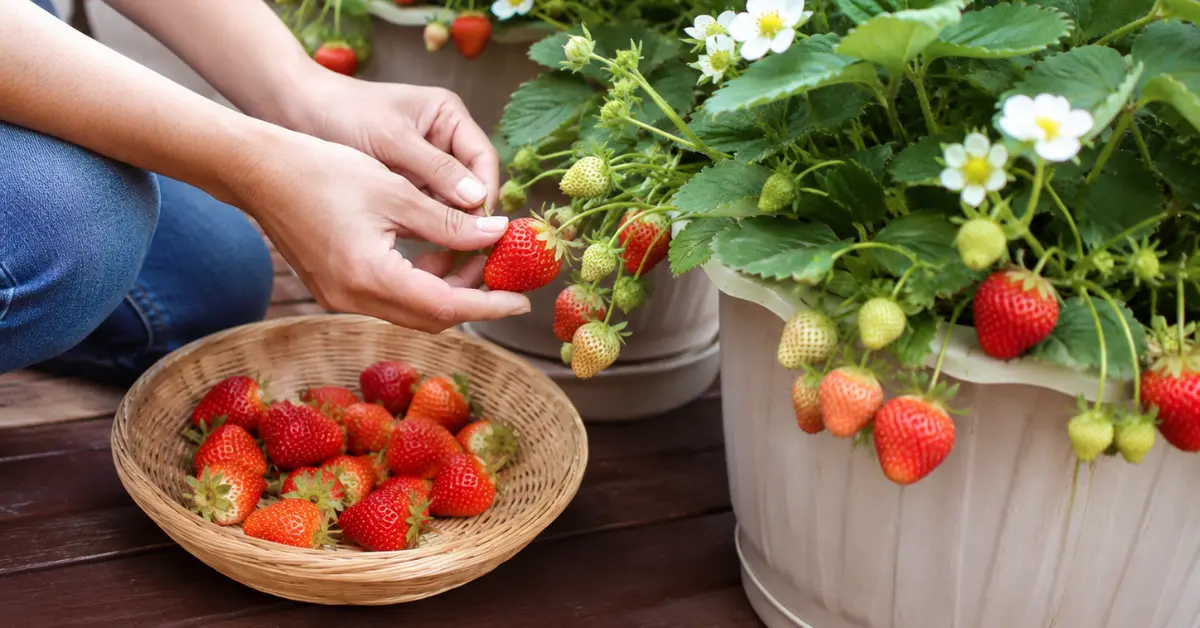
Growing Everbearing Strawberries in Containers: A Complete Guide for Beginners
Want to grow sweet, fresh strawberries but do not have a large garden? Everbearing strawberries [...]
Aug
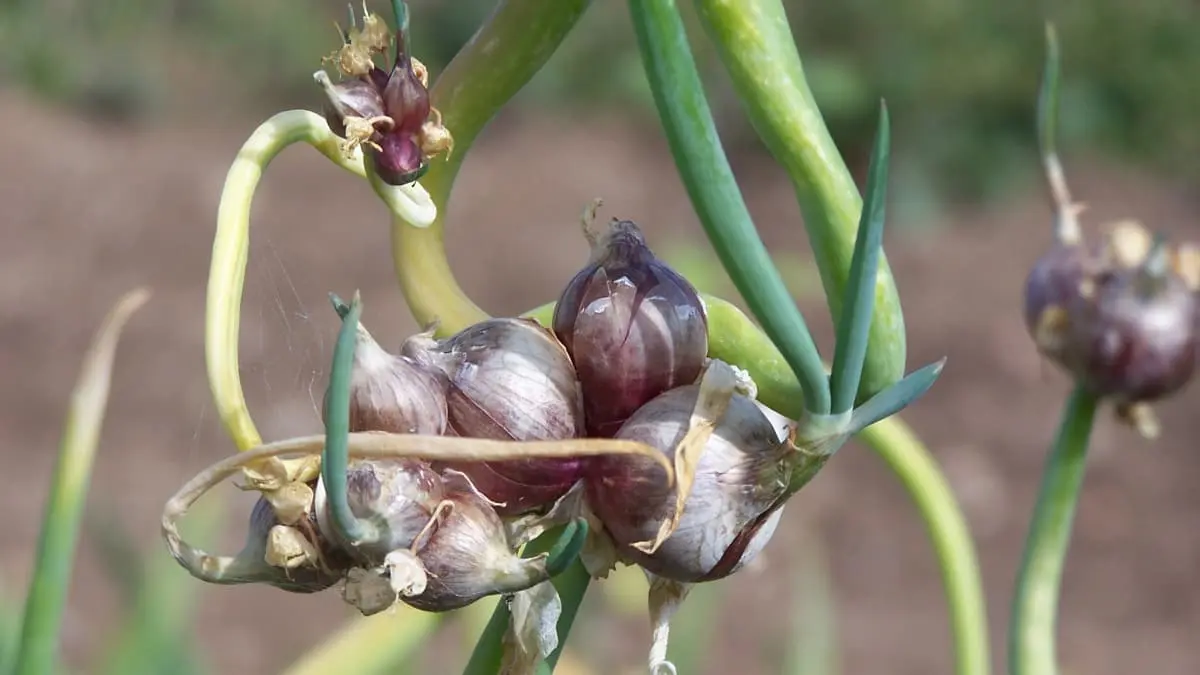
Growing Egyptian Walking Onions in Containers: A Complete Guide for Beginners
If you’re looking for a hardy, no-fuss perennial onion that keeps on giving year after [...]
Jul
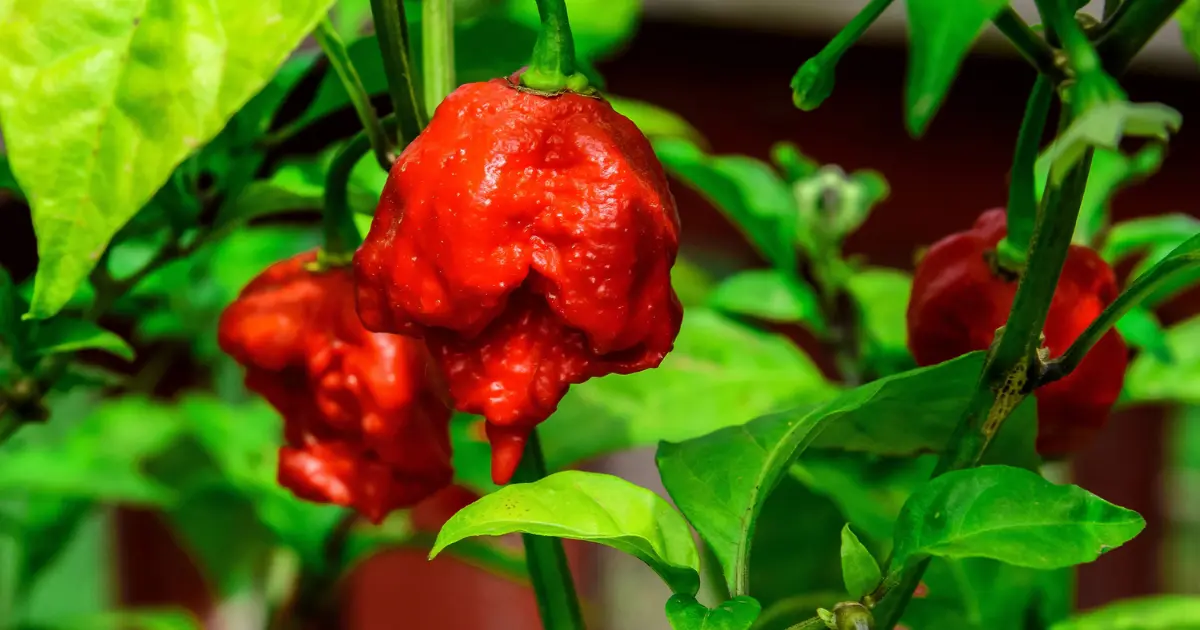
Growing Carolina Reaper Peppers in Pots: A Complete Guide for Beginners
If you’ve ever wanted to add some serious, record-breaking heat to your home cooking, you’ve [...]
May
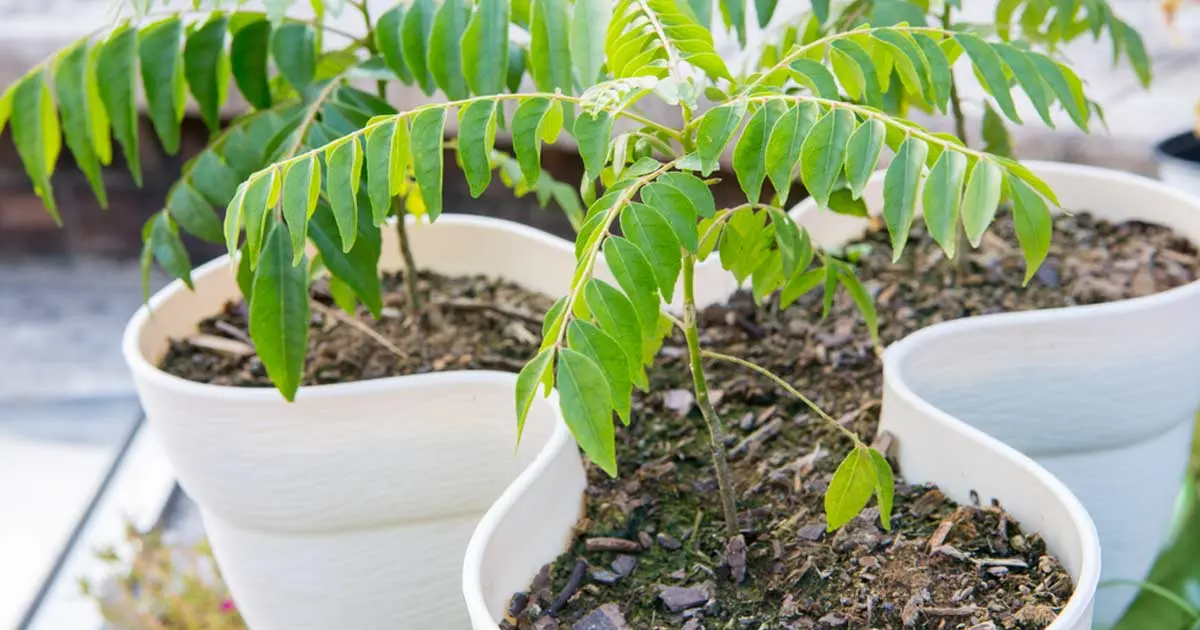
Growing Curry Leaf Plant in Pots: A Complete Guide for Beginners
If you’re a fan of authentic South Asian cuisine, you already know that nothing compares [...]
May
Reviews
There are no reviews yet.