
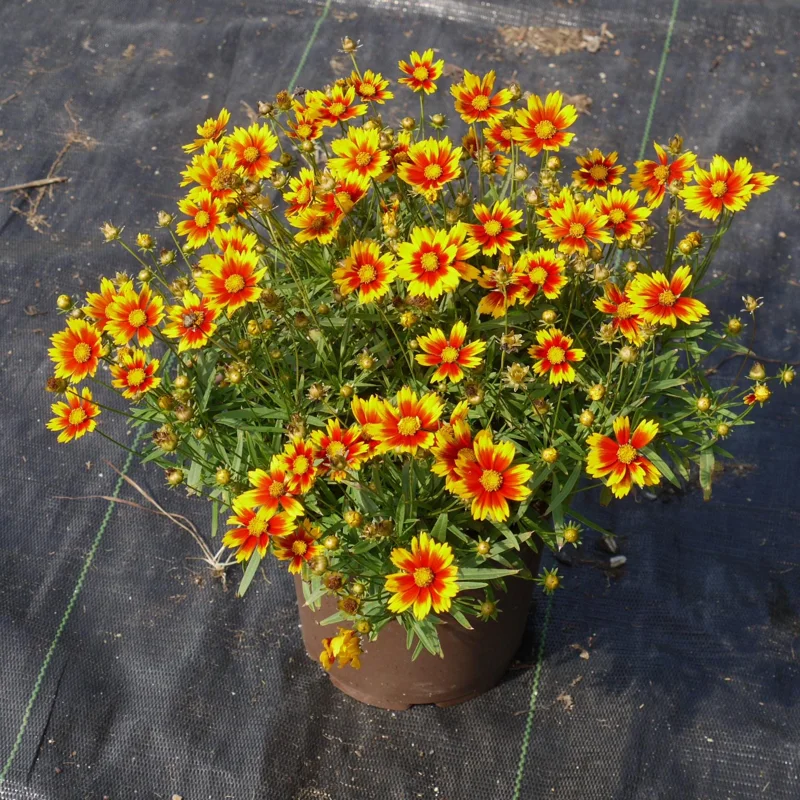
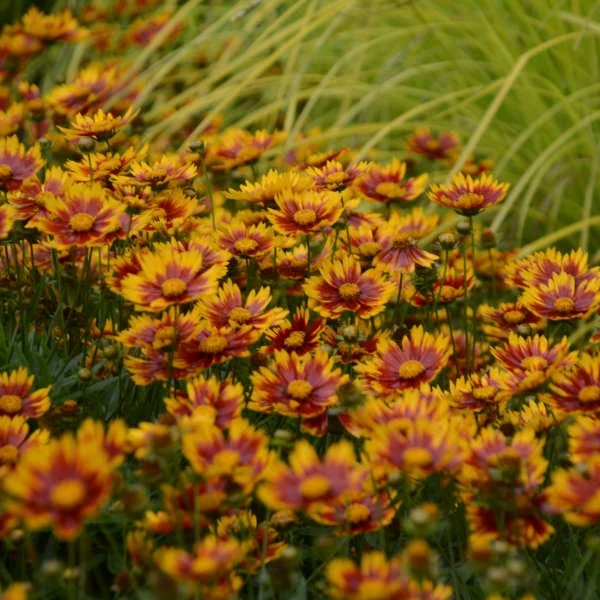
Coreopsis ‘Daybreak’ Live Perennial Plant – Vibrant Yellow Flowers – Outdoor
Original price was: $55.98.$27.99Current price is: $27.99.
Brighten your garden with the cheerful Coreopsis ‘Daybreak’ perennial plant. This vibrant bloomer features striking yellow flowers with orange-red centers, offering continuous color from early summer to fall. Ideal for borders, containers, and mass plantings in sunny outdoor spaces.
Estimated arrival
Oct 16
Oct 21 - Oct 23
Oct 26 - Oct 30

Reasonable Price
We offer reasonable price

Support 24/7
Contact us 24 hrs a day

100% Money Back
You've 30 days to Return

Payment Secure
100% secure payment
Overview
Introduce a burst of sunshine to your garden with the stunning Coreopsis ‘Daybreak’ perennial plant. This exceptional variety of tickseed (Coreopsis grandiflora) is celebrated for its prolific display of cheerful, daisy-like flowers. Each blossom boasts bright yellow petals that radiate outwards from a distinctive orange-red center, creating a captivating contrast that draws the eye. As a live perennial plant, ‘Daybreak’ offers reliable, long-lasting beauty, returning year after year to adorn your outdoor spaces. It’s a fantastic choice for gardeners seeking continuous color and low-maintenance charm, transforming ordinary beds and borders into vibrant tapestries of bloom. This particular Coreopsis thrives in sunny conditions, making it an excellent addition to any warm-weather landscape design. The Coreopsis ‘Daybreak’ perennial plant is a testament to enduring garden beauty, providing joy throughout the growing season.
Known commonly as Tickseed, Coreopsis ‘Daybreak’ is a cultivar prized for its compact growth habit and extended blooming period. Its scientific name, Coreopsis grandiflora ‘Daybreak’, reflects its larger flower size compared to some other Coreopsis varieties. This tough and adaptable plant is a favorite among pollinators, attracting bees and butterflies to your garden, thereby enhancing biodiversity. Whether you’re a seasoned gardener or just starting, the ‘Daybreak’ Coreopsis offers an easy-to-grow solution for adding brilliant color and lively energy to your outdoor environment.
Key Benefits
The Coreopsis ‘Daybreak’ perennial plant offers numerous advantages that make it a standout choice for any garden. Its vibrant appearance and robust nature contribute significantly to its appeal and ease of care.
- Continuous Bloom: Enjoy a spectacular display of bright yellow flowers with orange-red centers from early summer all the way through to fall. This extended bloom period ensures your garden remains colorful for months.
- Attracts Pollinators: The cheerful blossoms of the Coreopsis ‘Daybreak’ perennial plant are a magnet for bees, butterflies, and other beneficial pollinators, helping to support local ecosystems.
- Low Maintenance: This hardy perennial requires minimal care once established, making it an excellent choice for busy gardeners or those new to gardening. It’s drought-tolerant and generally pest-free.
- Versatile Landscaping: Perfect for a variety of garden applications, including borders, rock gardens, mass plantings, and containers. Its compact size makes it suitable for smaller spaces as well.
- Drought Tolerant: Once mature, the Coreopsis ‘Daybreak’ perennial plant can withstand periods of dry weather, reducing the need for frequent watering and making it a water-wise choice.
- Deer Resistant: While no plant is entirely deer-proof, Coreopsis is generally not a preferred food source for deer, offering some protection in areas where deer are a concern.
- Vibrant Color: The striking yellow and red hues of ‘Daybreak’ provide a cheerful and sunny aesthetic, brightening up any garden bed or patio space.
Plant Care & Growing Tips
Caring for your Coreopsis ‘Daybreak’ perennial plant is straightforward, ensuring a season full of vibrant blooms with minimal effort. This plant thrives in sunny conditions, so choose a location that receives at least six hours of direct sunlight per day. Adequate light is crucial for abundant flowering. While it tolerates a range of soil types, well-draining soil is essential to prevent root rot. Amend heavy clay soils with organic matter like compost to improve drainage and aeration. Once established, this yellow flowering perennial is quite drought-tolerant, but consistent moisture during its first growing season will help it develop a strong root system. Water deeply when the top inch of soil feels dry, typically once or twice a week during hot, dry spells.
For optimal performance and extended blooming, deadhead spent flowers regularly. This practice, known as ‘deadheading’, encourages the plant to produce more blooms rather than setting seeds. A light application of a balanced, slow-release granular fertilizer in early spring can boost growth, but Coreopsis generally does not require heavy feeding, especially in fertile soil. The Coreopsis plant care routine is relatively simple. Divide mature clumps every 2-3 years in early spring to maintain vigor and prevent overcrowding. ‘Daybreak’ Coreopsis is hardy in USDA zones 4-9, making it suitable for a wide range of climates. In colder zones, a layer of mulch in late fall can provide extra winter protection. Watch out for common pests like aphids, though they are rarely a serious problem. Good air circulation helps prevent fungal diseases.
When considering an outdoor perennial flowers option, the ‘Daybreak’ Coreopsis offers both beauty and resilience. Ensure good air circulation around the plants to deter powdery mildew, especially in humid conditions. If you notice any signs of disease, address them promptly with appropriate organic or chemical treatments. This robust plant is an excellent choice for those seeking a reliable and long-blooming addition to their garden. Understanding the needs of Daybreak Coreopsis will lead to a thriving and colorful display year after year.
Size & Details
The Coreopsis ‘Daybreak’ perennial plant typically grows to a compact height of 12-18 inches (30-45 cm) with a similar spread, creating a neat and mounded habit. This makes it an ideal plant for the front or middle of borders, as well as for container gardening where its vibrant blooms can be admired up close. Our live plants are typically shipped in a nursery pot, ready for transplanting into your garden or a larger container upon arrival. With proper care, you can expect this plant to establish quickly and begin flowering in its first season, providing continuous color from early summer through fall frost. It’s a moderately fast grower, quickly filling out its space.
Frequently Asked Questions
- Q: How big does this plant get? A: The Coreopsis ‘Daybreak’ perennial plant typically reaches a height of 12-18 inches (30-45 cm) and spreads similarly, forming a compact, mounded shape. Its moderate size makes it suitable for various garden applications.
- Q: Is this an indoor or outdoor plant? A: This is an outdoor perennial plant, perfectly suited for garden beds, borders, and containers in full sun. It is not recommended for indoor growing as it requires significant direct sunlight.
- Q: How much sunlight does it need? A: ‘Daybreak’ Coreopsis thrives in full sun, requiring at least 6 hours of direct sunlight per day to produce its abundant yellow flowering perennial blooms. More sun generally means more flowers.
- Q: Is this plant easy to care for? A: Yes, Coreopsis plant care is considered easy. It’s a low-maintenance, drought-tolerant plant once established, making it suitable for both beginner and experienced gardeners. Regular deadheading will encourage more blooms.
- Q: What condition will it arrive in? A: Your ‘Daybreak’ Coreopsis will arrive as a healthy, live plant in a nursery pot, carefully packaged to ensure its safe journey. It will be ready for immediate planting upon arrival.
- Q: How long until it blooms? A: With proper care, your ‘Daybreak’ Coreopsis should begin to bloom in its first season, typically from early summer and continuing until the first fall frost.
- Q: Will it survive winter in my zone? A: This outdoor perennial flowers variety is hardy in USDA Zones 4-9. In these zones, it will reliably return each spring after winter dormancy. In colder zones, it may require protection or be treated as an annual.
- Q: What type of soil does it prefer? A: Coreopsis ‘Daybreak’ prefers well-draining soil. It can tolerate a range of soil types, but heavy clay soils should be amended with organic matter to improve drainage.
- Q: Is Daybreak Coreopsis deer resistant? A: While no plant is entirely deer-proof, Coreopsis is generally considered deer resistant, meaning deer tend to avoid browsing on it. This makes it a good choice for gardens in areas with deer activity.
- Q: What is the best time to plant? A: The best time to plant Coreopsis ‘Daybreak’ is in spring after the last frost, or in early fall, allowing the plant sufficient time to establish its root system before extreme temperatures.
Be the first to review “Coreopsis ‘Daybreak’ Live Perennial Plant – Vibrant Yellow Flowers – Outdoor”
-
USDA Hardiness Zone
USDA zones 4-9 -
Soil Type
Well-draining soil -
Sunlight Exposure
Full sun -
Expected Planting Period
Spring to early summer
People Also Viewd
Sold 134 products
Original price was: $3,536.00.$23.99Current price is: $23.99.
Sold 132 products
Original price was: $27.00.$24.00Current price is: $24.00.
Sold 132 products
Original price was: $89.99.$64.99Current price is: $64.99.

Sold 125 products
Original price was: $86.99.$66.99Current price is: $66.99.
Flower Bulbs
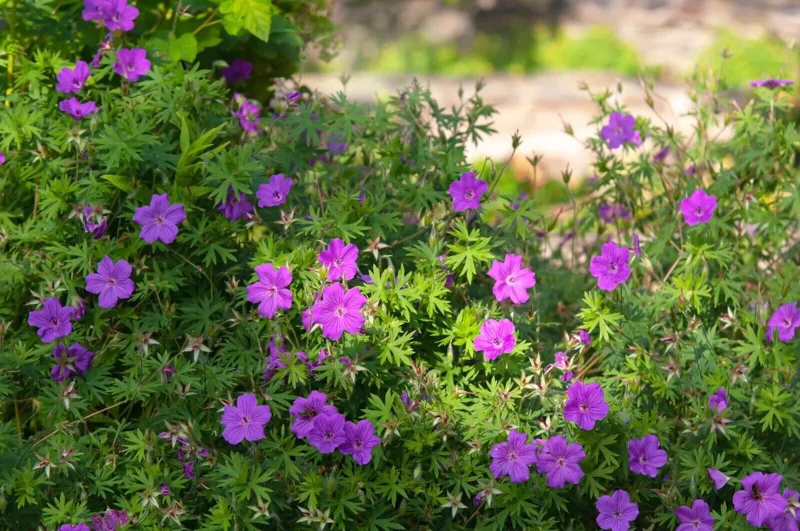
3 Cranesbill Wild Geranium Organic Maculatums Bare Roots | Wildflower for Outdoor Garden
Sold 116 products
Original price was: $21.99.$9.99Current price is: $9.99.
Sold 114 products
Original price was: $28.99.$17.99Current price is: $17.99.
Sold 110 products
Original price was: $63.99.$28.99Current price is: $28.99.
Sold 108 products
Original price was: $28.99.$17.99Current price is: $17.99.RELATED posts
How to Grow Arbequina Olive Trees: The Ultimate Guide to Your Own Olive Grove
Arbequina Olive Tree (Olea europaea ‘Arbequina’) – the ultimate Mediterranean plant that brings a touch [...]
Oct
Growing Garlic in Containers This Fall: A Complete Guide for Beginners
If you’ve ever wanted to pop fresh, aromatic garlic cloves straight from your own patio [...]
Sep
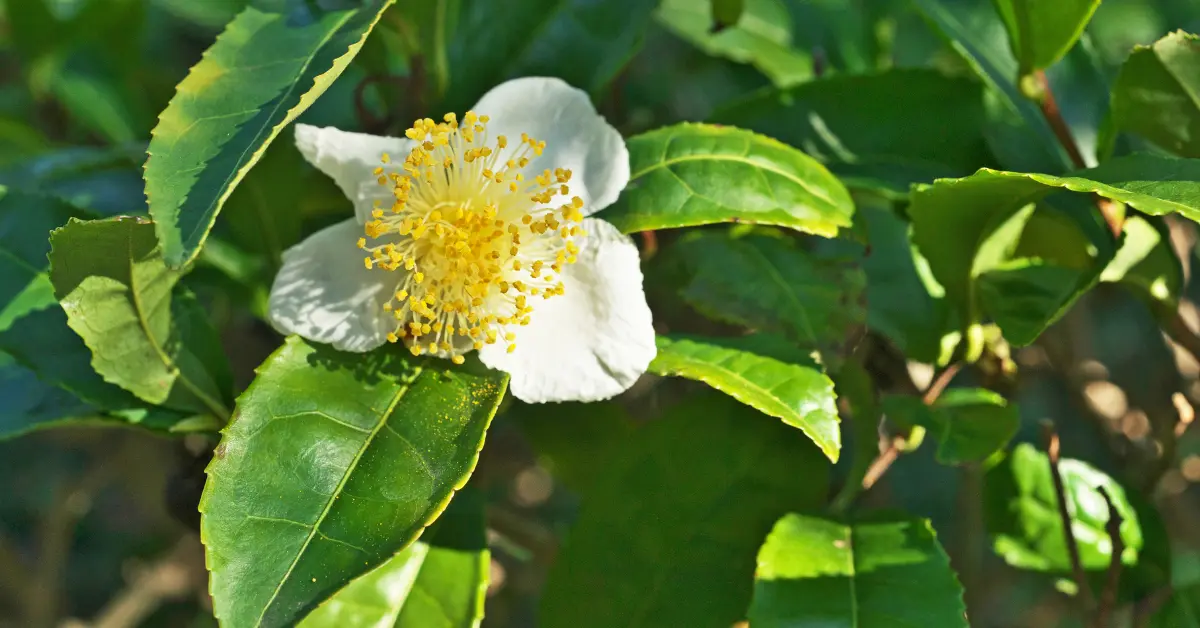
Growing Camellia Sinensis (Tea Plants) in Containers: A Complete Guide for Beginners
If you’ve ever wanted to sip a steaming, homegrown cup of fresh green, black, or [...]
Aug
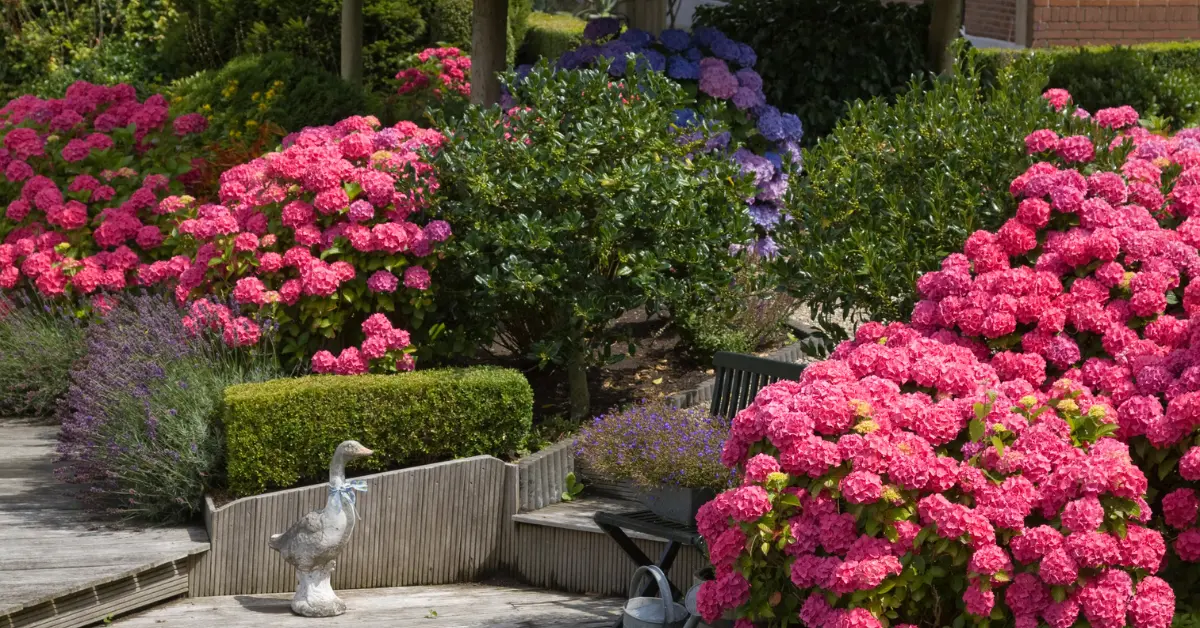
6 Best Shrubs to Plant in August You Must Try
Have you ever walked through a nursery late in the summer, admired the vibrant shrubs [...]
Aug

Growing Everbearing Strawberries in Containers: A Complete Guide for Beginners
Want to grow sweet, fresh strawberries but do not have a large garden? Everbearing strawberries [...]
Aug
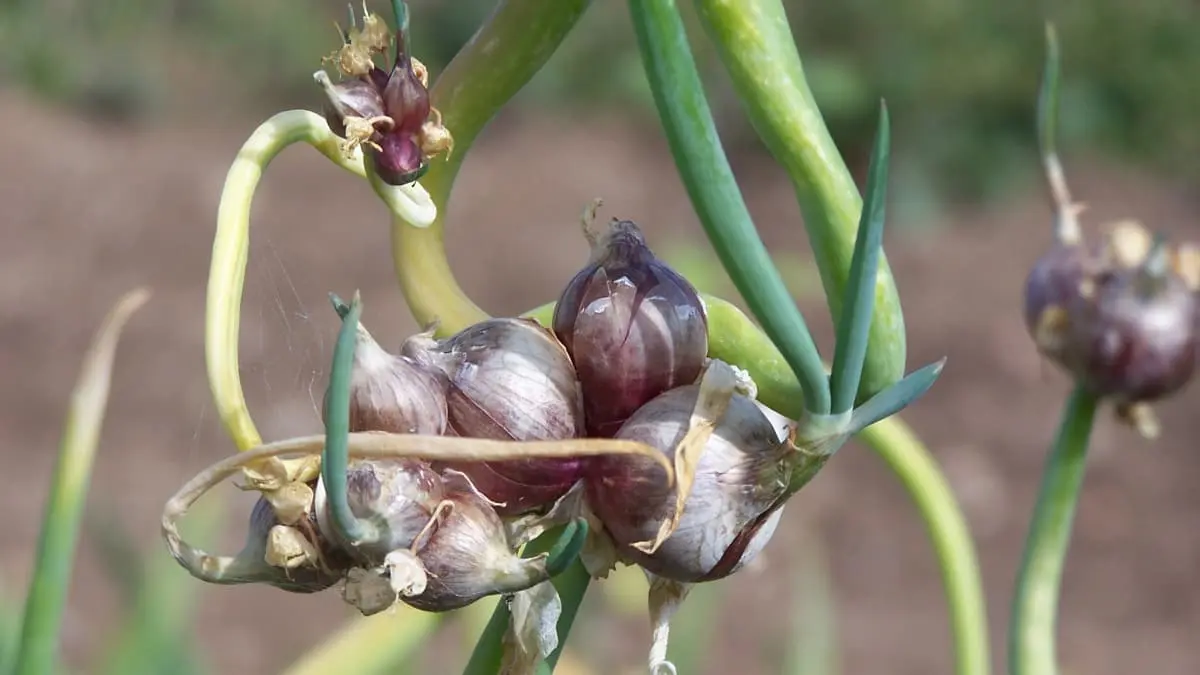
Growing Egyptian Walking Onions in Containers: A Complete Guide for Beginners
If you’re looking for a hardy, no-fuss perennial onion that keeps on giving year after [...]
Jul
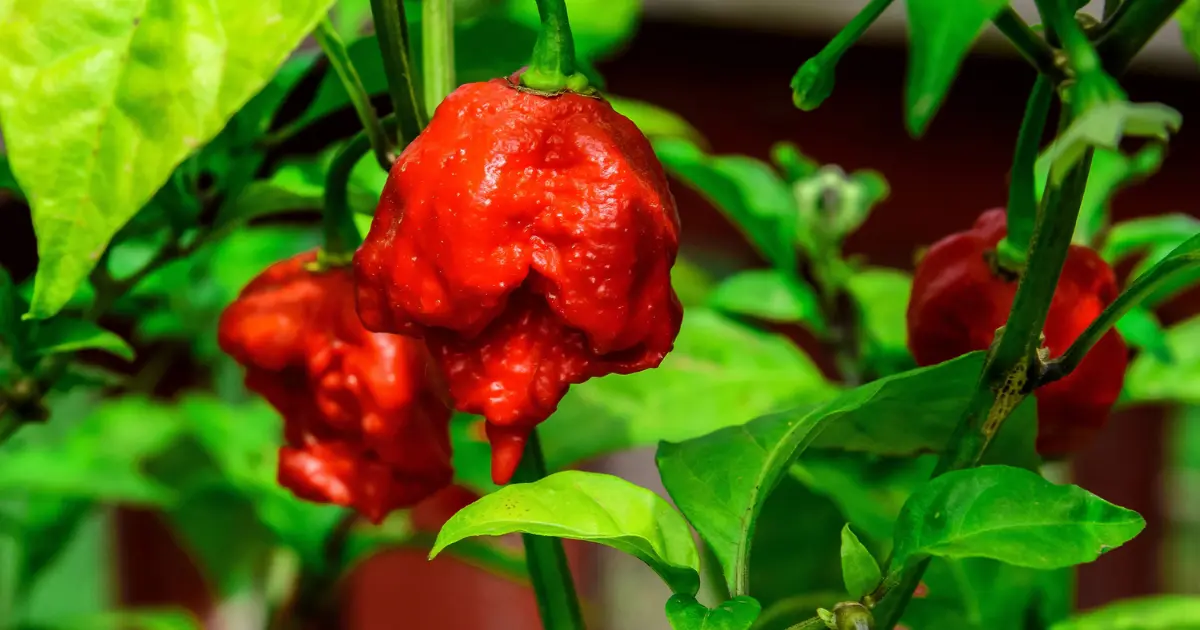
Growing Carolina Reaper Peppers in Pots: A Complete Guide for Beginners
If you’ve ever wanted to add some serious, record-breaking heat to your home cooking, you’ve [...]
May
Growing Curry Leaf Plant in Pots: A Complete Guide for Beginners
If you’re a fan of authentic South Asian cuisine, you already know that nothing compares [...]
May
Reviews
There are no reviews yet.