
Elberta Peach Tree Live Plant – Sweet Grafted Starter – 6 to 12 Inch Tall
Original price was: $103.99.$83.99Current price is: $83.99.
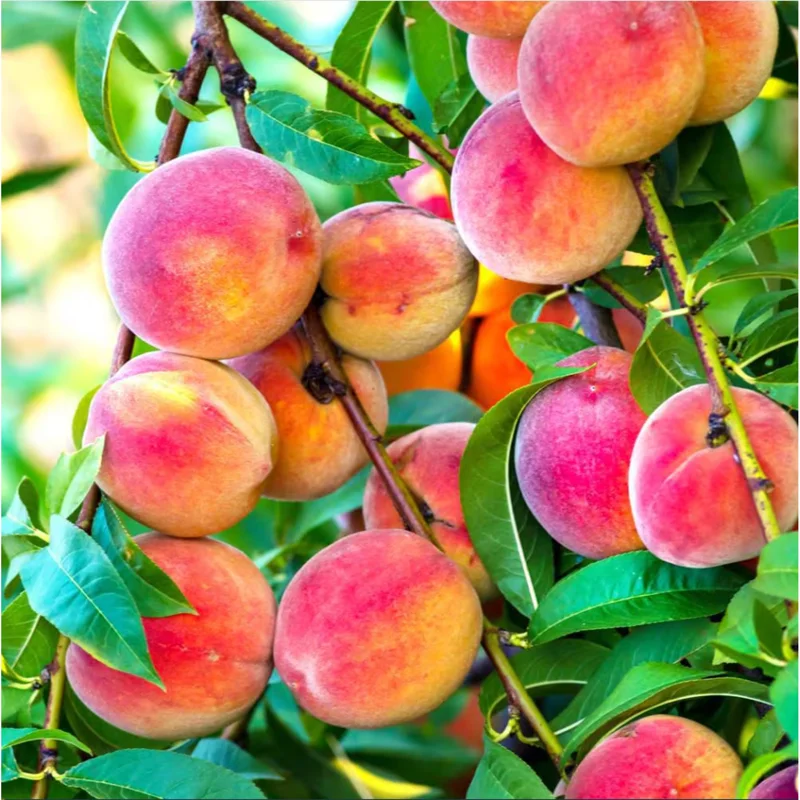
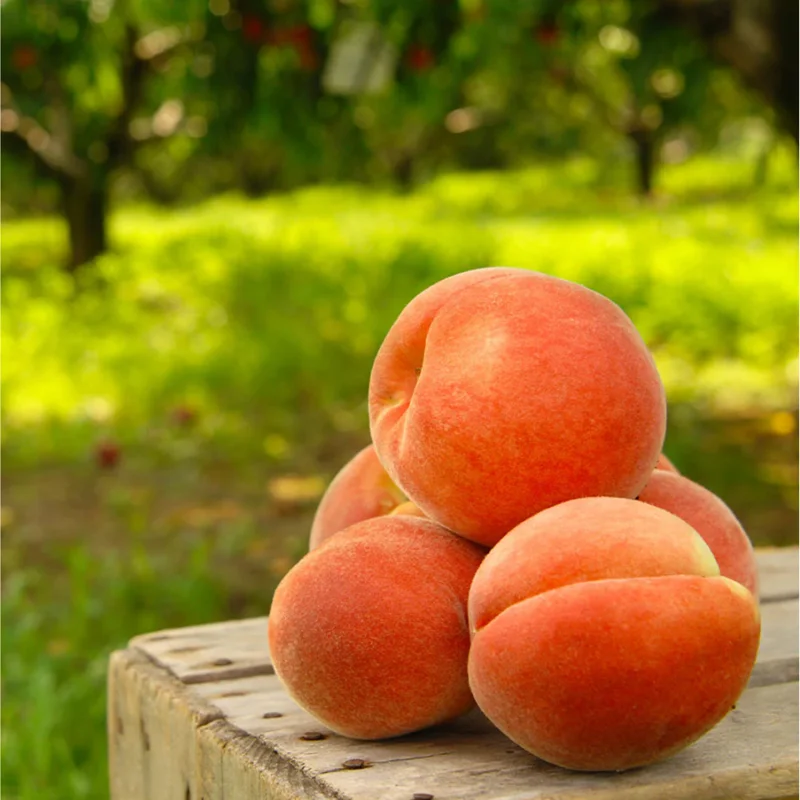
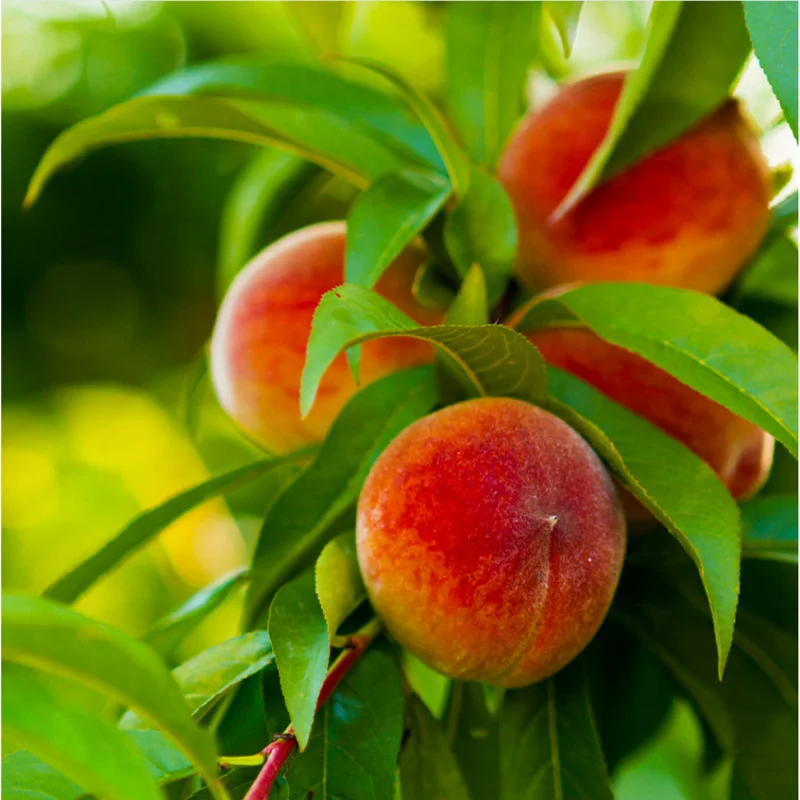
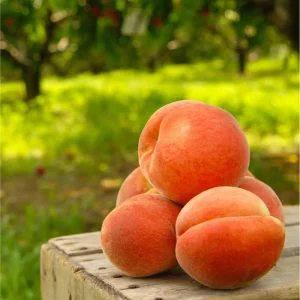
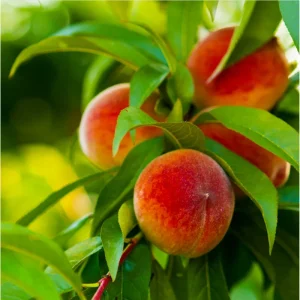
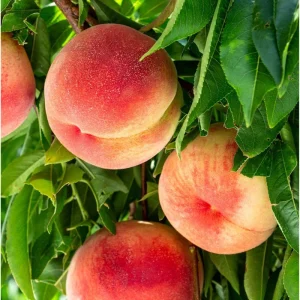
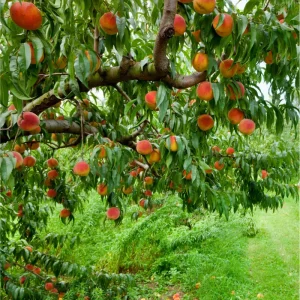
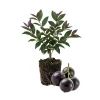
Cultivate your own delicious fruit with this Elberta Peach tree. A popular self-pollinating variety, it produces large, juicy yellow-fleshed peaches. This grafted peach plant is a starter plant, measuring 6 to 12 inches tall, ideal for establishing a fruit tree home garden.
Estimated arrival
Oct 16
Oct 21 - Oct 23
Oct 26 - Oct 30

Reasonable Price
We offer reasonable price

Support 24/7
Contact us 24 hrs a day

100% Money Back
You've 30 days to Return

Payment Secure
100% secure payment
Overview
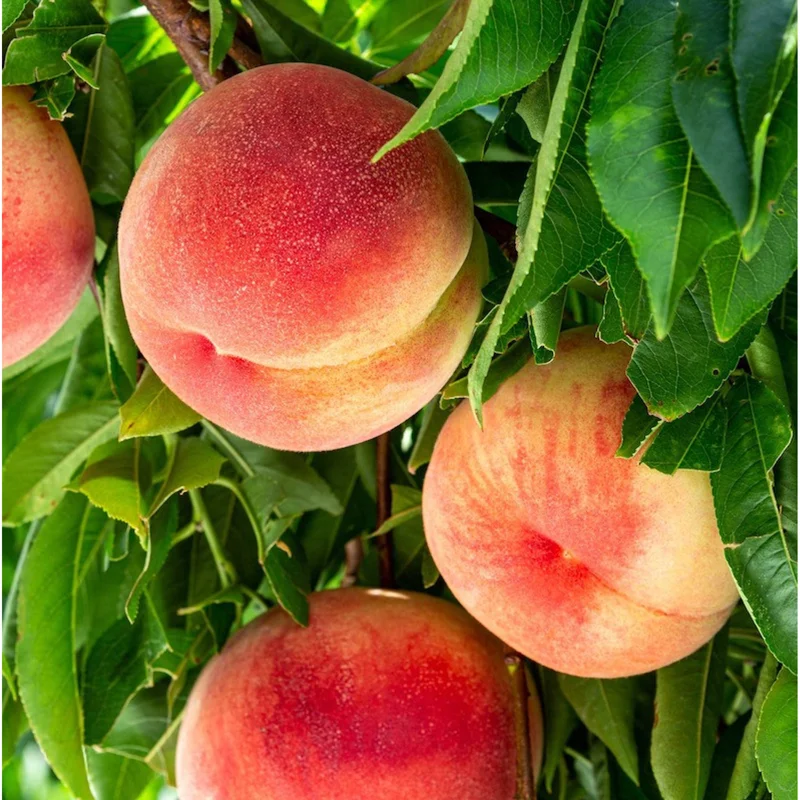
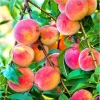
Introducing the magnificent Elberta Peach tree, a cherished variety known for its abundant and delectable fruit. This offering is a live, vigorous grafted peach plant, carefully cultivated to ensure robust growth and early fruit production. The Elberta Peach, scientifically known as Prunus persica ‘Elberta’, is a popular, self-pollinating deciduous tree that will become a highlight of any home garden. Renowned for its large, firm, and incredibly juicy yellow-fleshed peaches, this tree promises a bountiful harvest that is perfect for fresh eating, canning, baking, and preserves. Standing at a convenient 6 to 12 inches tall as a starter plant, it’s ready to be established in your landscape, bringing the joy of homegrown fruit right to your backyard. Investing in a healthy starter plant like this ensures a quicker path to enjoying sweet, sun-ripened peaches.
The Elberta Peach is highly regarded for its reliability and adaptability, thriving across a wide range of climates. Its self-pollinating nature means you typically only need one tree to get fruit, simplifying the planting process for beginners and experienced gardeners alike. This particular specimen is a peach tree for planting that has been grafted, a technique that combines the best characteristics of two plants, resulting in a tree with superior disease resistance and fruit quality. Get ready to experience the unparalleled taste of your own sweet peach tree, grown with care from this exceptional starter plant.
Key Benefits
Adding an Elberta Peach tree to your garden offers a multitude of rewards, from delicious fruit to ornamental beauty. This robust grafted peach plant provides a sustainable source of fresh, healthy produce and enhances your outdoor space.
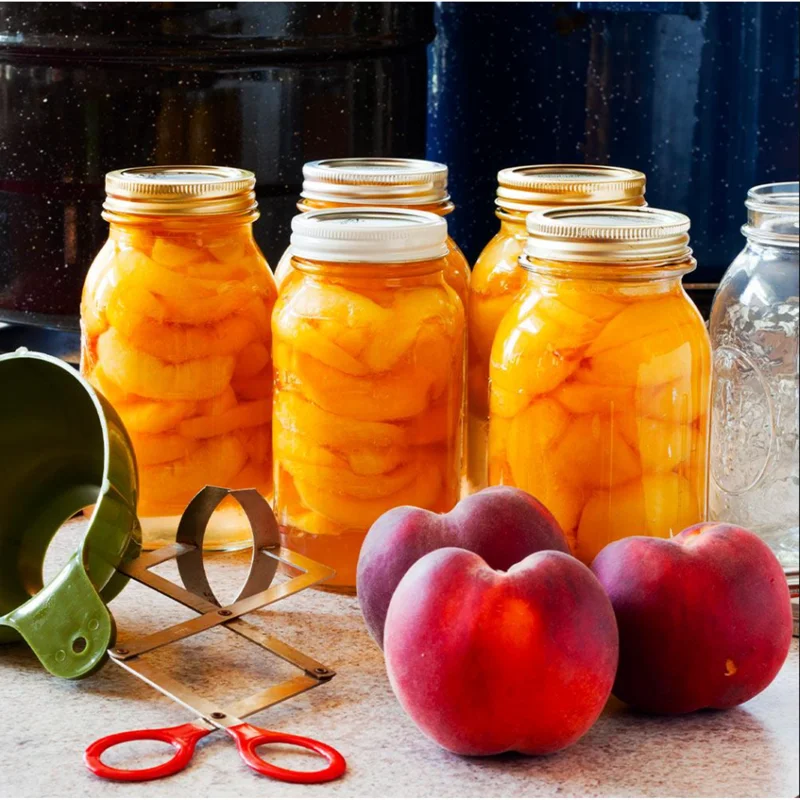
- Abundant, High-Quality Fruit: Enjoy large, incredibly juicy, yellow-fleshed peaches that are perfect for fresh eating, baking, canning, and jams. The Elberta variety is celebrated for its classic peach flavor and aroma.
- Self-Pollinating Convenience: As a self-pollinating tree, it doesn’t require another peach tree nearby to produce fruit, making it an ideal choice for smaller gardens or those looking to plant a single sweet peach tree.
- Vigorous Growth & Reliability: This grafted starter plant is bred for strong growth and consistent fruit production, offering a dependable harvest year after year with proper care.
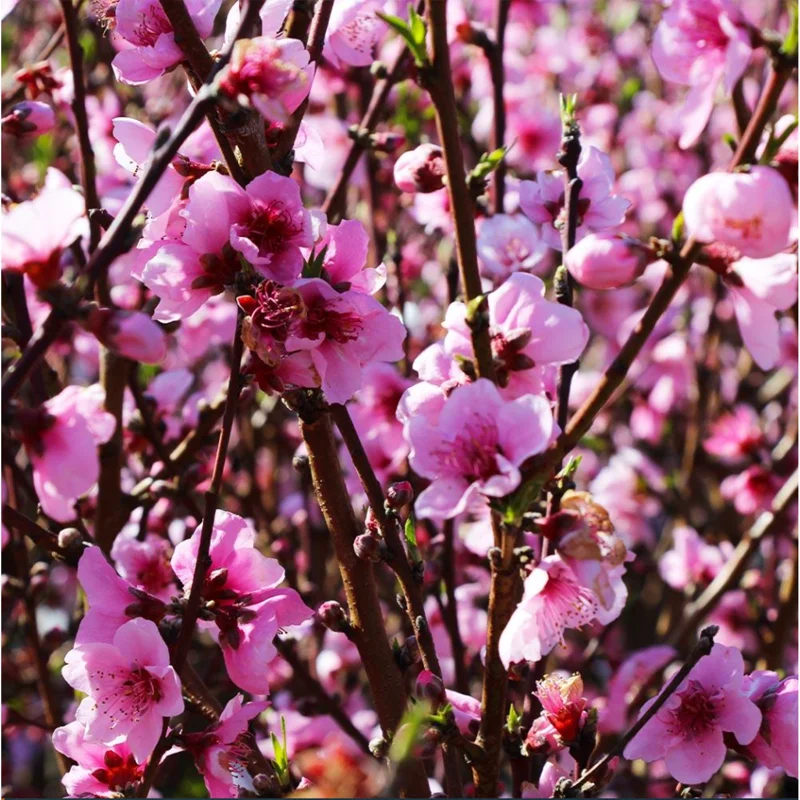
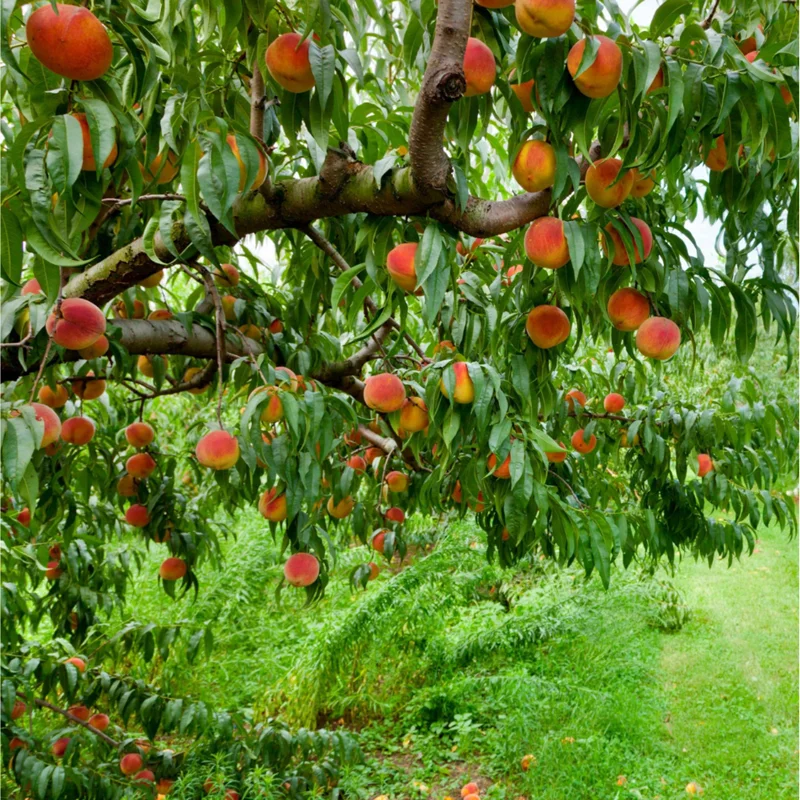
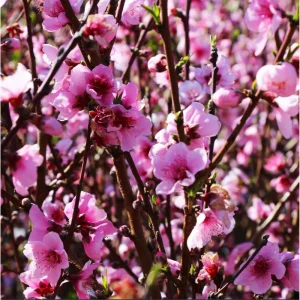
- Beautiful Deciduous Tree: Beyond its fruit, the Elberta Peach provides seasonal beauty with delicate pink blossoms in spring and lush green foliage in summer, adding aesthetic appeal to your fruit tree home garden.
- Healthy Homegrown Produce: Grow your own peaches without pesticides or chemicals, ensuring fresh, organic fruit for your family and reducing your carbon footprint.
- Adaptable to Various Climates: Thriving in USDA zones 5–9, this versatile peach tree can be successfully grown in many regions across the United States.
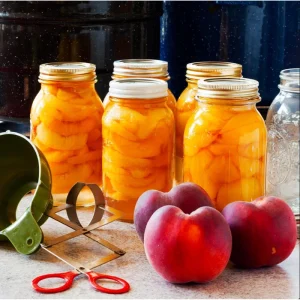
- Excellent for Culinary Uses: The firm texture and rich flavor of Elberta peaches make them exceptionally versatile for a wide array of culinary creations, from pies and cobblers to salads and preserves.
Plant Care & Growing Tips
Successfully growing your Elberta Peach tree requires attention to a few key environmental factors and regular maintenance. This peach tree for planting will reward your efforts with delicious fruit for many years. Start by selecting a site that receives ample sunlight. Peach trees, especially the Elberta variety, need at least 6-8 hours of direct sunlight per day to produce an abundance of sweet, flavorful fruit. A south-facing location is often ideal. Ensure the planting site has well-draining soil to prevent root rot. If your soil is heavy clay, amend it with organic matter like compost to improve drainage and fertility.
Watering is crucial, especially during the establishment phase and when the tree is fruiting. Keep the ground consistently moist, but not waterlogged. Deep watering once or twice a week is generally better than frequent shallow watering. During dry spells, increase your watering frequency. For fertilization, apply a balanced fertilizer such as a 10-10-10 or 12-12-12 formulation in early spring, just before new growth begins. Follow the product instructions for application rates based on the tree’s size. Pruning is essential for maintaining the tree’s shape, promoting air circulation, and encouraging fruit production. Prune in late winter or early spring while the tree is dormant, focusing on removing dead, damaged, or crossing branches and maintaining an open, vase-like shape to allow sunlight to reach all parts of the tree. The sweet peach tree thrives in USDA zones 5–9, meaning it can tolerate winter temperatures down to -20°F (-29°C) but also requires a certain number of chill hours (hours below 45°F/7°C) to set fruit properly.
Monitor your grafted peach plant for common pests and diseases, such as peach leaf curl or borers. Early detection and treatment are key to preventing serious issues. Good air circulation through proper pruning can help prevent fungal diseases. With consistent care, your fruit tree home garden will flourish and provide you with a delightful harvest of Elberta peaches.
Size & Details
This offering is for one Elberta Peach tree starter plant, measuring approximately 6 to 12 inches tall from the base of the root. It is a live, bare root or small potted plant (depending on seasonal availability) that is ready for immediate planting upon arrival. These young trees are carefully selected and packed to ensure they arrive in excellent condition, ready to thrive in your garden. The grafting process ensures that you receive a tree with desirable characteristics, such as disease resistance and reliable fruit production, true to the Elberta variety.
When mature, an Elberta Peach tree typically reaches a height of 15 to 25 feet with a similar spread, though regular pruning can keep it more compact. It has a moderate growth rate, and you can expect your first harvest within 2-4 years after planting, with full production achieved in 5-7 years. This peach tree for planting is an investment that will continue to yield delicious fruit for decades. The tree will be shipped in a manner that protects its delicate root system, ensuring it establishes well in your chosen location for a flourishing fruit tree home garden.
Frequently Asked Questions
- Q: How big does this Elberta Peach tree get? A: This starter plant is 6 to 12 inches tall. When mature, an Elberta Peach tree typically grows to 15-25 feet tall with a similar spread, but its size can be managed with consistent pruning.
- Q: Is this an indoor or outdoor plant? A: The Elberta Peach tree is an outdoor plant, a deciduous fruit tree that requires full sun and a period of winter dormancy to produce fruit. It is not suitable for long-term indoor cultivation.
- Q: How much sunlight does my peach tree need? A: Your sweet peach tree requires at least 6-8 hours of direct sunlight per day to ensure optimal growth and fruit production. Choose a sunny location in your garden.
- Q: Is this plant easy to care for? A: Peach trees require consistent care, including proper watering, fertilization, and annual pruning. While not entirely hands-off, with good practices, a grafted peach plant is manageable for most home gardeners.
- Q: What condition will the plant arrive in? A: Your peach tree for planting will arrive as a healthy, live starter plant, either bare root or in a small pot, carefully packaged to protect it during transit and ensure it’s ready for planting.
- Q: How long until it blooms and produces fruit? A: You can typically expect your Elberta Peach tree to begin blooming and producing its first fruits within 2-4 years after planting, with full production by 5-7 years.
- Q: Will it survive winter in my zone? A: The Elberta Peach tree thrives in USDA hardiness zones 5–9, meaning it is well-suited to tolerate winter temperatures in these regions. Ensure your zone falls within this range for best results.
- Q: What is the best time to plant this peach tree? A: The best time to plant a fruit tree home garden peach tree is in late winter or early spring, after the danger of hard frost has passed but before the tree breaks dormancy.
- Q: What kind of soil does this peach tree prefer? A: Elberta Peach trees prefer well-draining, fertile soil. If your soil is heavy, amend it with organic matter to improve drainage and provide essential nutrients.
- Q: Is the Elberta Peach tree self-pollinating? A: Yes, the Elberta Peach tree is self-pollinating, meaning you only need one tree to get a good crop of peaches.
Be the first to review “Elberta Peach Tree Live Plant – Sweet Grafted Starter – 6 to 12 Inch Tall”
-
USDA Hardiness Zone
USDA zones 5–9 -
Soil Type
Well-draining, fertile soil -
Sunlight Exposure
Full sun (6-8+ hours daily) -
Expected Planting Period
Late winter to early spring
People Also Viewd
Sold 134 products
Original price was: $3,536.00.$23.99Current price is: $23.99.
Sold 132 products
Original price was: $27.00.$24.00Current price is: $24.00.
Sold 132 products
Original price was: $89.99.$64.99Current price is: $64.99.

Sold 125 products
Original price was: $86.99.$66.99Current price is: $66.99.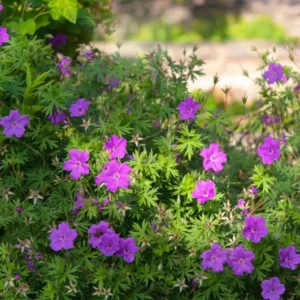
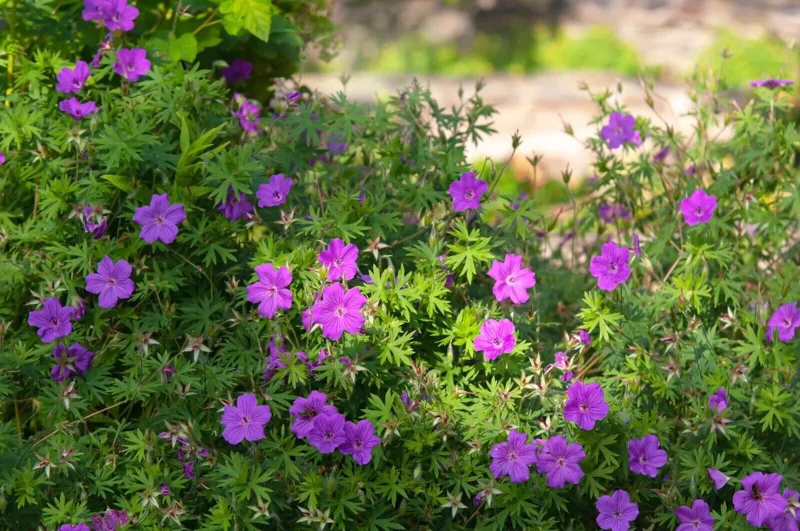
Flower Bulbs
3 Cranesbill Wild Geranium Organic Maculatums Bare Roots | Wildflower for Outdoor Garden
Sold 116 products
Original price was: $21.99.$9.99Current price is: $9.99.
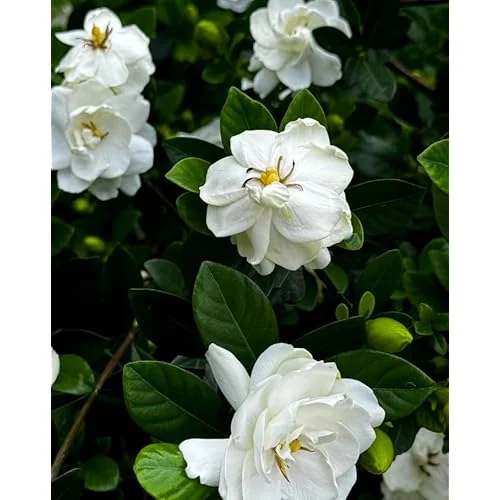
Sold 114 products
Original price was: $28.99.$17.99Current price is: $17.99.
Sold 110 products
Original price was: $63.99.$28.99Current price is: $28.99.
Sold 108 products
Original price was: $28.99.$17.99Current price is: $17.99.RELATED posts
How to Grow Arbequina Olive Trees: The Ultimate Guide to Your Own Olive Grove
Arbequina Olive Tree (Olea europaea ‘Arbequina’) – the ultimate Mediterranean plant that brings a touch [...]
Oct
Growing Garlic in Containers This Fall: A Complete Guide for Beginners
If you’ve ever wanted to pop fresh, aromatic garlic cloves straight from your own patio [...]
Sep
Growing Camellia Sinensis (Tea Plants) in Containers: A Complete Guide for Beginners
If you’ve ever wanted to sip a steaming, homegrown cup of fresh green, black, or [...]
Aug
6 Best Shrubs to Plant in August You Must Try
Have you ever walked through a nursery late in the summer, admired the vibrant shrubs [...]
Aug
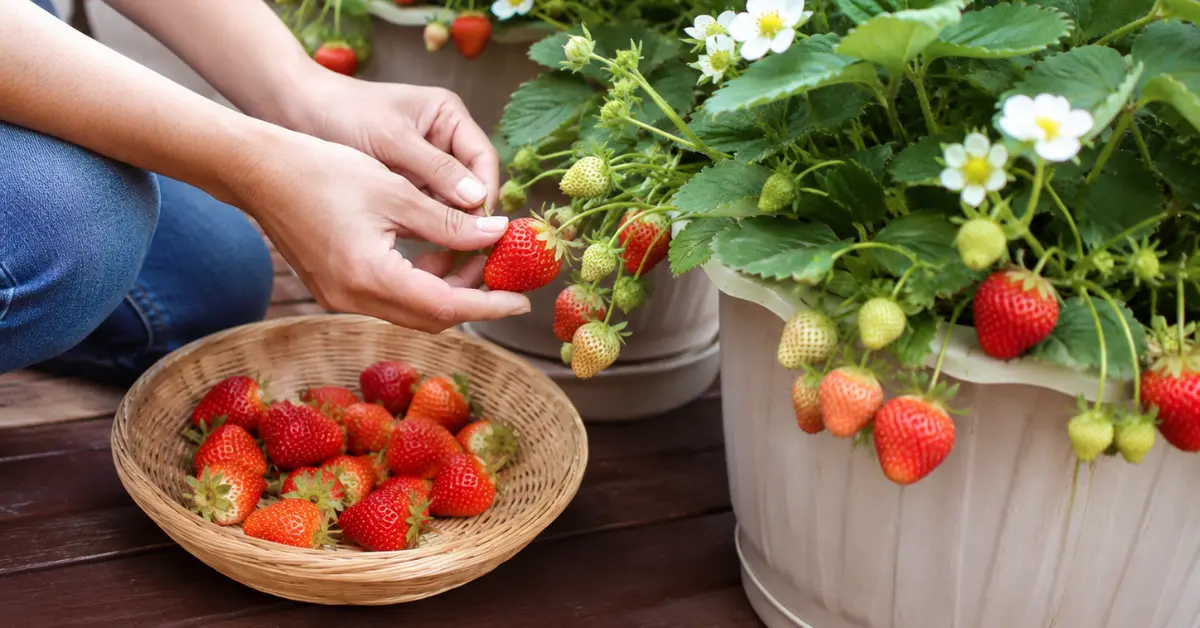
Growing Everbearing Strawberries in Containers: A Complete Guide for Beginners
Want to grow sweet, fresh strawberries but do not have a large garden? Everbearing strawberries [...]
Aug
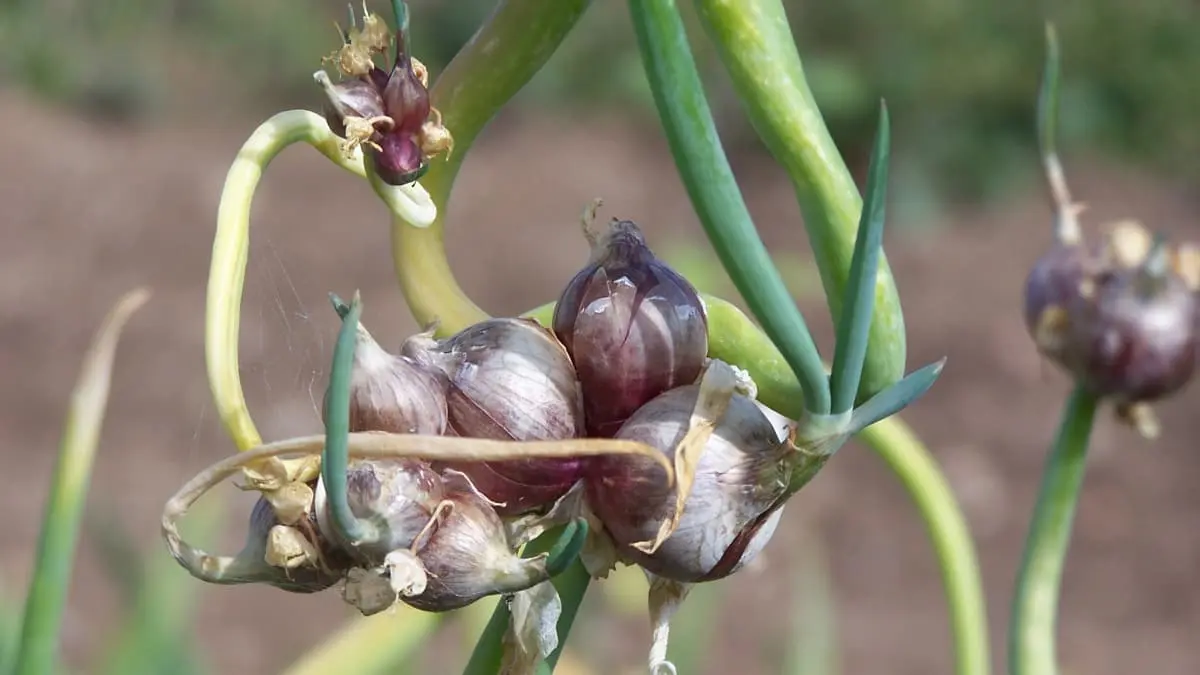
Growing Egyptian Walking Onions in Containers: A Complete Guide for Beginners
If you’re looking for a hardy, no-fuss perennial onion that keeps on giving year after [...]
Jul
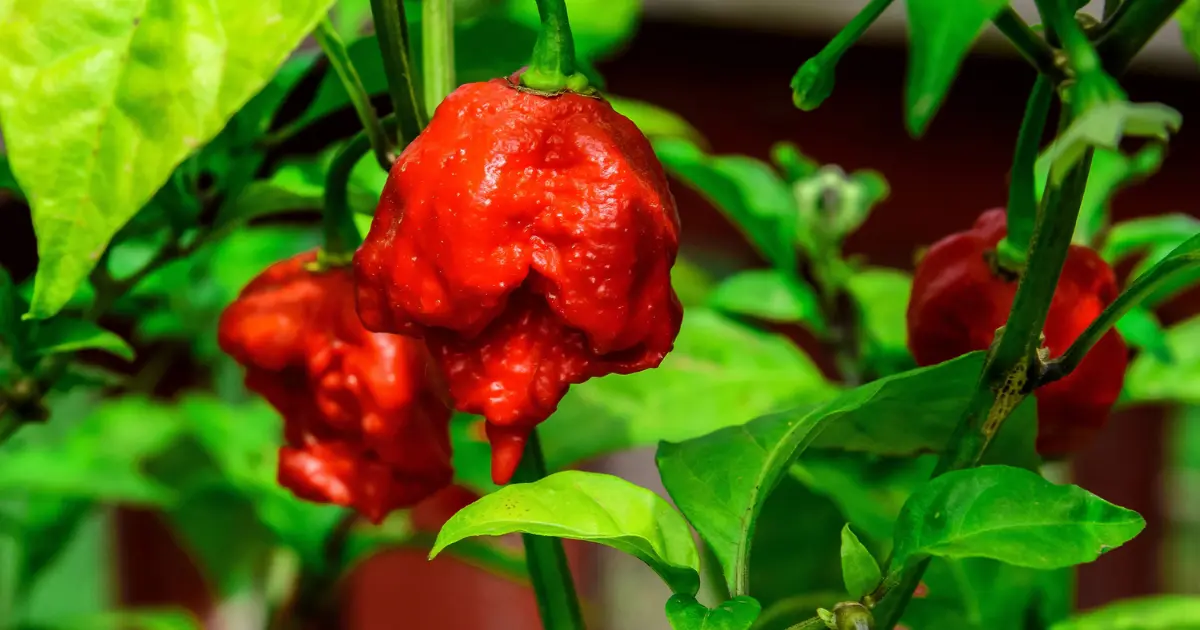
Growing Carolina Reaper Peppers in Pots: A Complete Guide for Beginners
If you’ve ever wanted to add some serious, record-breaking heat to your home cooking, you’ve [...]
May
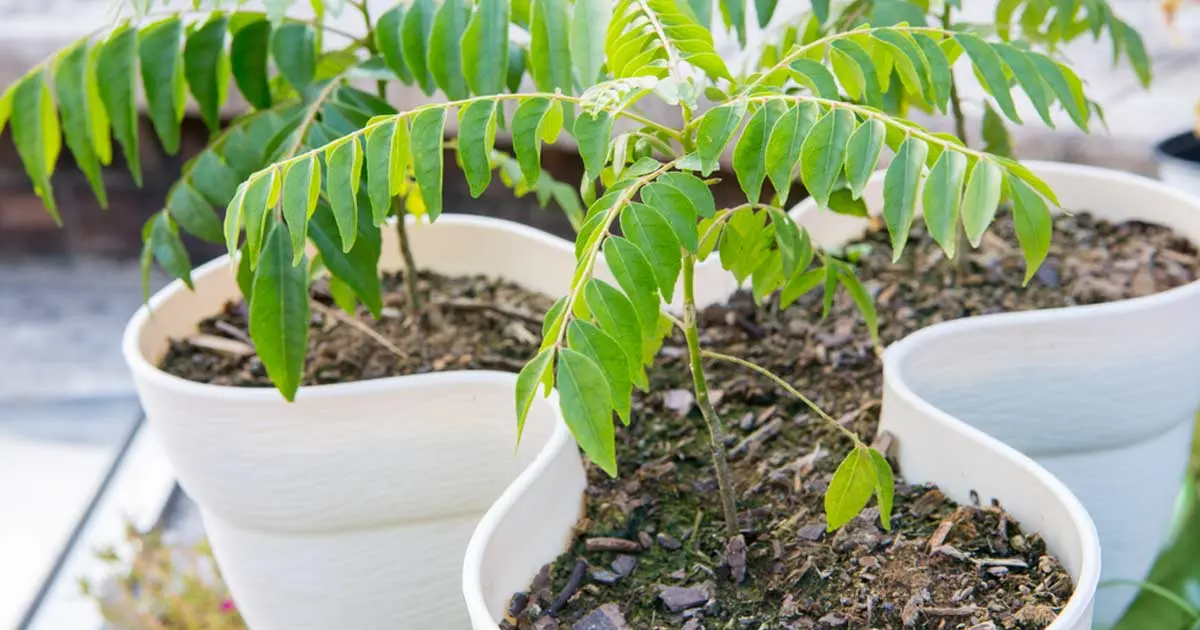
Growing Curry Leaf Plant in Pots: A Complete Guide for Beginners
If you’re a fan of authentic South Asian cuisine, you already know that nothing compares [...]
May
Reviews
There are no reviews yet.