
Jaboticaba Tree Live Plant 6-12 Inch Tall – Brazilian Grape Tree, Tropical Fruit
Original price was: $66.99.$41.99Current price is: $41.99.
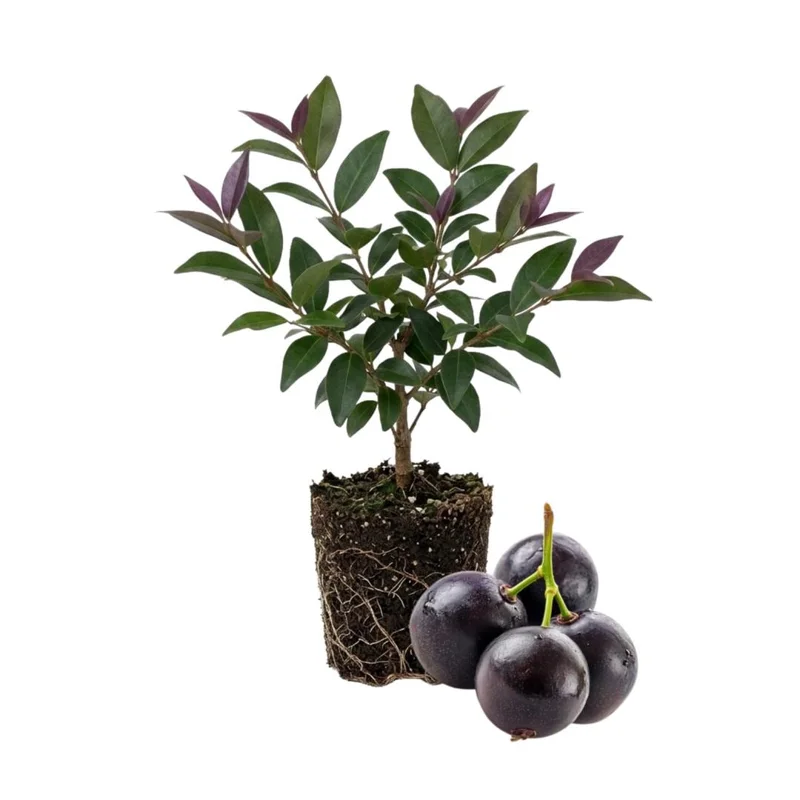
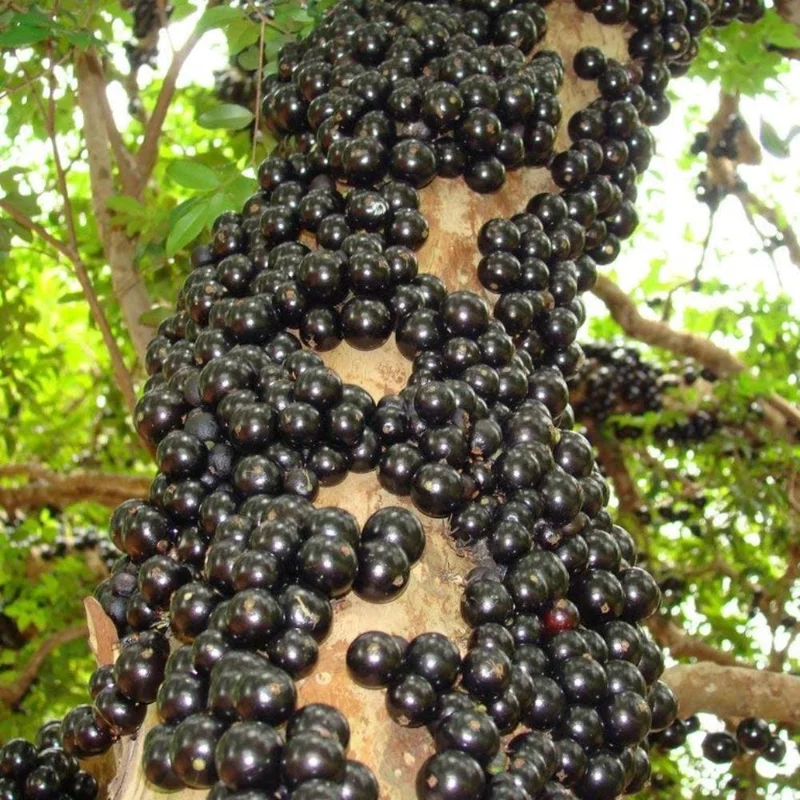
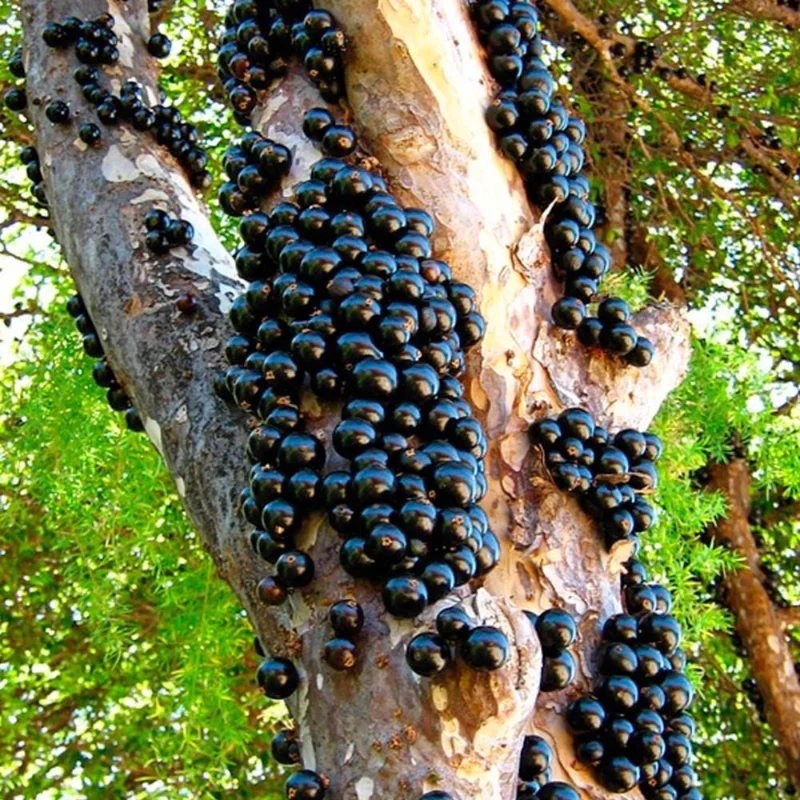
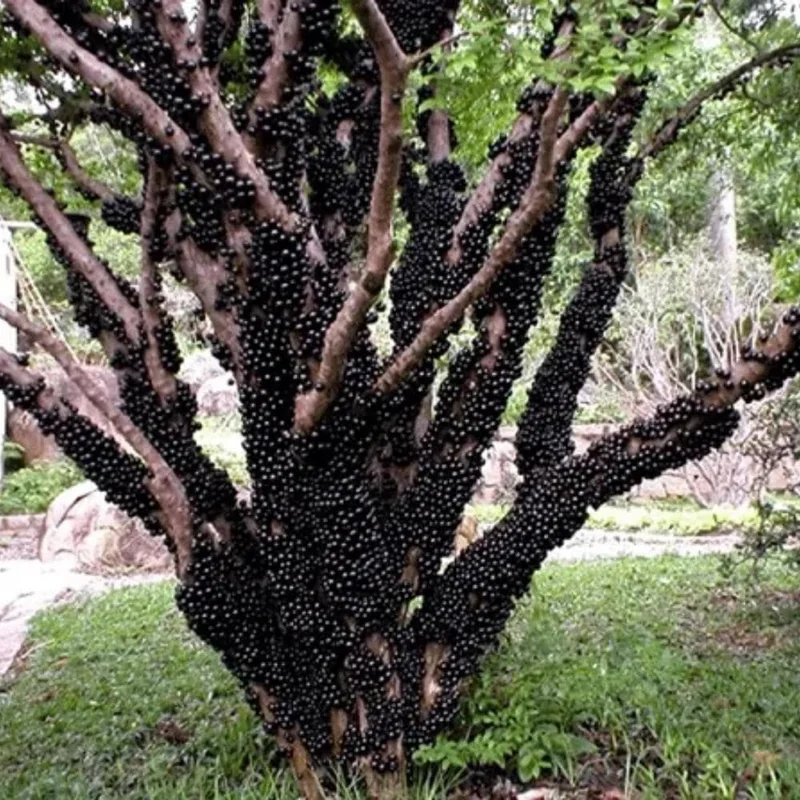
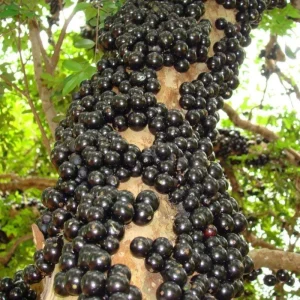
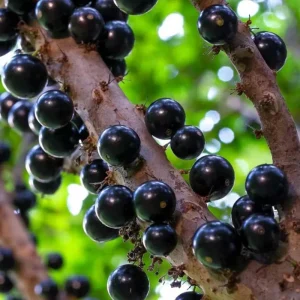
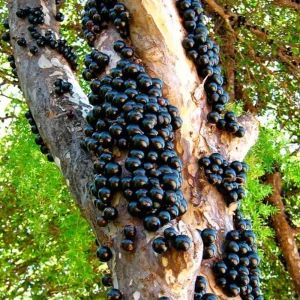
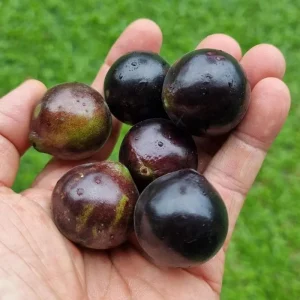
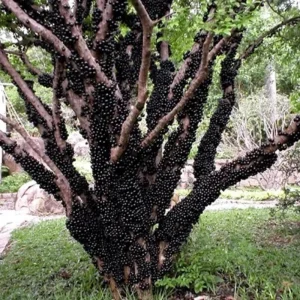
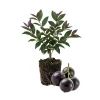
Add a unique tropical touch to your collection with this jaboticaba tree live plant. Also known as the brazilian grape tree, this 6-12 inch tall, well-rooted specimen is ready for your patio or garden. Enjoy its distinctive fruit that grows directly on the trunk, making it a truly unique fruit tree and conversation starter.
Estimated arrival
Oct 16
Oct 21 - Oct 23
Oct 26 - Oct 30

Reasonable Price
We offer reasonable price

Support 24/7
Contact us 24 hrs a day

100% Money Back
You've 30 days to Return

Payment Secure
100% secure payment
Overview
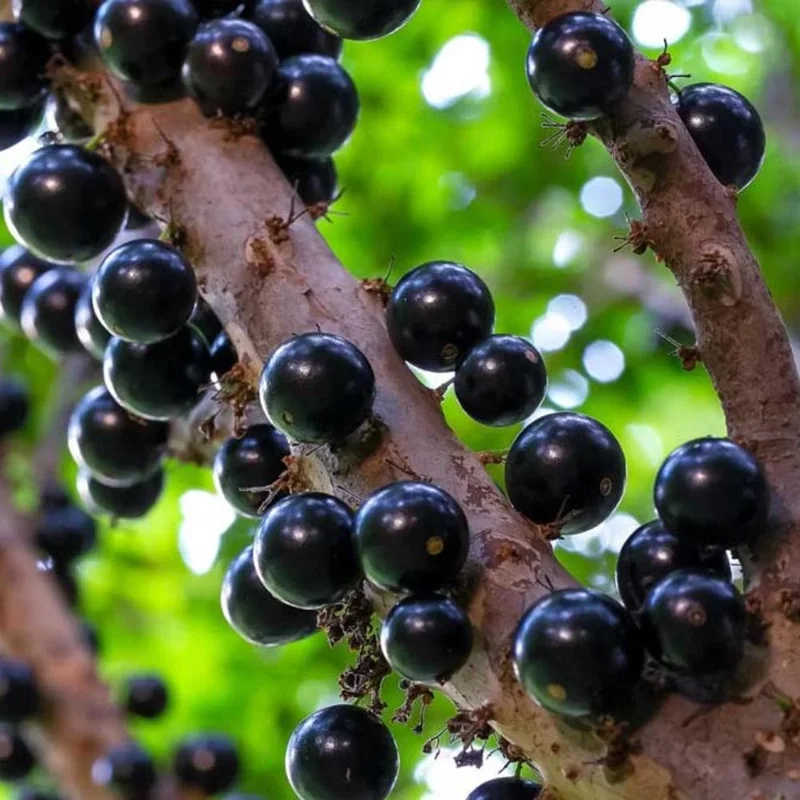
Introduce an extraordinary botanical specimen to your home or garden with the jaboticaba tree live plant. Often referred to as the brazilian grape tree (Myrciaria cauliflora or Plinia cauliflora), this captivating tropical fruit tree is renowned for its unusual growth habit: it produces delicious, grape-like fruits directly on its trunk and branches. This particular offering is a 6-12 inch tall, well-rooted young plant, ready to be transplanted and nurtured into a mature, fruit-bearing wonder. Perfect for plant enthusiasts seeking a distinctive and rewarding challenge, the Jaboticaba offers both ornamental beauty and edible rewards.
Native to Brazil, the Jaboticaba is a slow-growing evergreen that thrives in warm climates. Its unique fruiting characteristic, known as cauliflory, makes it a fascinating focal point in any setting. Imagine plucking fresh, sweet, purple fruits directly from the woody parts of your tree! This tropical fruit tree is not just a producer of delectable treats but also an attractive evergreen with glossy leaves and a sculptural form. Whether you’re looking to expand your edible landscape or simply desire a conversation-starting plant, the Jaboticaba is an excellent choice.
Key Benefits
The jaboticaba tree live plant offers a multitude of benefits, making it a highly desirable addition for both novice and experienced gardeners. Its unique characteristics provide both aesthetic appeal and practical advantages.
- Unique Fruiting Display: Enjoy the rare spectacle of fruits growing directly on the trunk and branches, making it a stunning ornamental plant and conversation piece.
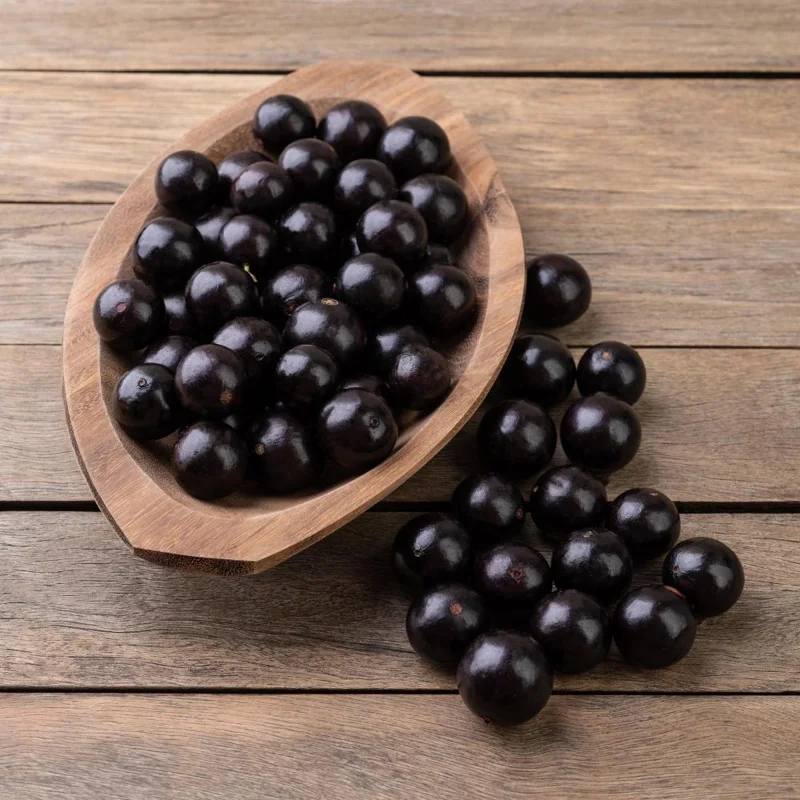
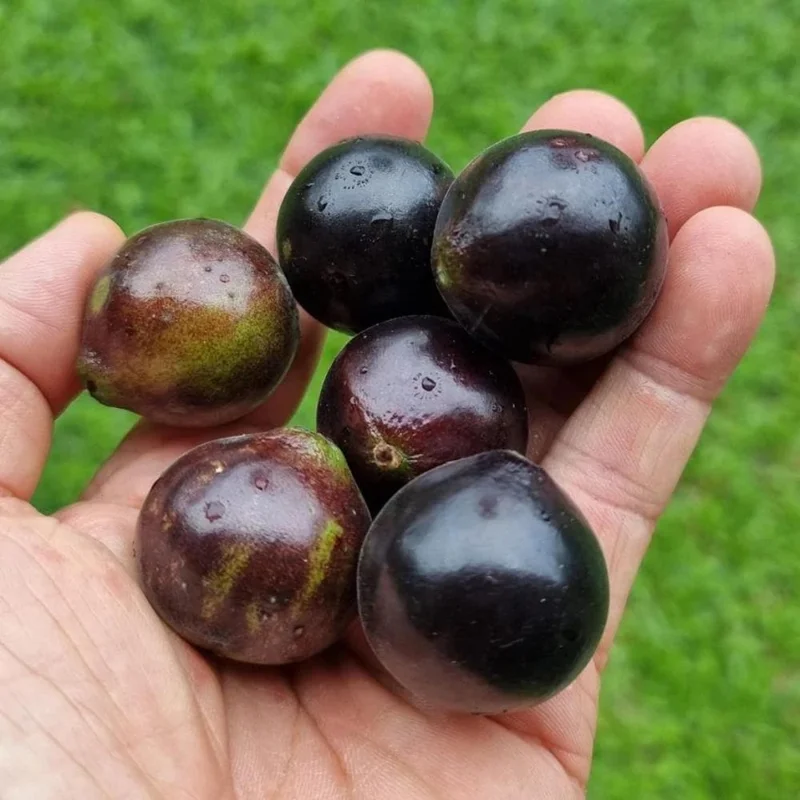
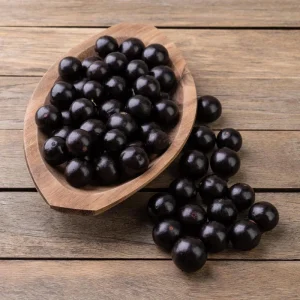
- Delicious Edible Fruit: Harvest fresh, sweet, grape-like fruits directly from your tree, perfect for eating fresh, making jams, jellies, or wines.
- Compact and Container-Friendly: Its slow growth rate and manageable size make it an ideal candidate for container gardening on patios, balconies, or in smaller gardens.
- Evergreen Foliage: Provides year-round greenery with attractive, glossy leaves, maintaining its visual appeal regardless of the season.
- Long Lifespan: With proper jaboticaba plant care, these trees can live for many decades, becoming a cherished part of your landscape.
- Ornamental Value: Beyond its fruit, the tree’s unique structure and appealing foliage add significant aesthetic value to any garden or indoor space.
- Adaptable to Various Settings: While preferring warm climates, it can be grown indoors or in greenhouses in cooler zones, expanding its accessibility.
Plant Care & Growing Tips
Caring for your jaboticaba tree live plant ensures its healthy growth and eventual fruit production. While it is a slow grower, consistent care will yield excellent results. This brazilian grape tree thrives in specific conditions that mimic its native tropical habitat.
Sunlight Requirements: Jaboticaba trees prefer full sun to partial shade. In very hot climates, some afternoon shade can be beneficial to prevent leaf scorch. For indoor cultivation, place it near a bright window that receives at least 6 hours of direct sunlight daily, or supplement with grow lights. Good light exposure is crucial for fruit development.
Watering Schedule & Soil Moisture: Jaboticaba requires consistent moisture, especially when young and during fruiting periods. The soil should be kept evenly moist but never waterlogged. Allow the top inch of soil to dry out slightly between waterings. Reduce watering during cooler, dormant periods. Ensure excellent drainage to prevent root rot.
Soil Type & Drainage: This tropical fruit tree prefers slightly acidic to neutral soil (pH 5.5-7.0) that is rich in organic matter and very well-draining. A good potting mix for tropical plants, amended with compost or peat moss, works well. If planting in the ground, amend heavy clay soils with organic material to improve drainage. Good drainage is paramount for healthy root growth.
Temperature Range & USDA Hardiness Zone: Jaboticaba trees are sensitive to frost and thrive in warm, humid conditions. They are generally hardy in USDA Zones 9-11. In colder zones, they must be grown in containers and brought indoors when temperatures drop below 25-30°F (-4 to -1°C). Ideal temperatures range from 65-85°F (18-29°C).
Fertilization Schedule & Type: Fertilize your jaboticaba tree live plant every 2-3 months during the growing season (spring through fall) with a balanced, slow-release fertilizer formulated for acid-loving plants. Look for a fertilizer with micronutrients. Reduce or cease fertilization during winter. A healthy feeding schedule will support robust growth and fruit development.
Common Problems & Solutions: Jaboticabas are generally pest-resistant but can occasionally suffer from aphids or scale insects. Treat with horticultural oil or insecticidal soap. Overwatering is a common issue leading to root rot; ensure proper drainage. Nutrient deficiencies can manifest as yellowing leaves; adjust fertilization as needed. Protecting young plants from strong winds can also prevent damage.
Size & Details
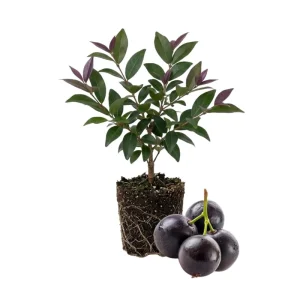
This offering is for a single jaboticaba tree live plant, measuring approximately 6-12 inches tall from the base of the root ball to the top of the plant. Each plant is well-rooted and established, making it ready for transplanting into a larger container or directly into your garden if you reside in a suitable climate zone. These young brazilian grape tree specimens are slow-growing, which makes them excellent for container culture where their size can be more easily managed. While initially modest in size, with proper care, they will gradually mature into a productive tropical fruit tree.
The plant is shipped without a pot, with its roots carefully prepared to ensure viability during transit. Upon arrival, it should be promptly planted into its new home. Expect the first fruits to appear within 5-8 years, although some varieties can fruit sooner under optimal conditions. The long-term growth of a mature Jaboticaba can reach 10-15 feet in height and spread, but it can be maintained at a smaller size through regular pruning, especially when grown in a container. This makes it a versatile and unique fruit tree for various garden settings.
Frequently Asked Questions
- Q: How big does this Jaboticaba tree get? A: This particular jaboticaba tree live plant is 6-12 inches tall upon arrival. In the ground, mature trees can reach 10-15 feet, but they are slow-growing and can be kept smaller through pruning, especially when grown in containers.
- Q: Is this an indoor or outdoor plant? A: The brazilian grape tree thrives outdoors in USDA Zones 9-11. In colder climates, it can be grown as a container plant and brought indoors during winter months, making it adaptable for various environments.
- Q: How much sunlight does it need? A: Jaboticaba prefers full sun to partial shade. Aim for at least 6 hours of direct sunlight daily for best growth and fruit production, especially for a healthy jaboticaba plant care routine.
- Q: What condition will it arrive in? A: The plant arrives well-rooted and ready for transplanting. It is shipped without a pot to ensure safe and efficient delivery, focusing on the health of the plant itself.
- Q: How long until it fruits? A: Jaboticaba trees typically begin fruiting within 5-8 years from a young plant, though some varieties may fruit earlier under ideal growing conditions and good tropical fruit tree care.
- Q: What type of soil is best for a Jaboticaba tree? A: This tree prefers slightly acidic to neutral, rich, and well-draining soil. A good quality potting mix for tropical plants, amended with organic matter, is ideal for container growing.
- Q: Is this plant easy to care for? A: While not difficult, the Jaboticaba requires consistent watering, good drainage, and protection from frost. It’s a rewarding plant for those willing to provide its specific tropical needs, making it a delightful unique fruit tree.
- Q: Can I grow this Jaboticaba tree in a pot indefinitely? A: Yes, the jaboticaba tree live plant is very well-suited for container growing due to its slow growth rate and compact habit. You will need to repot it into progressively larger containers as it grows.
- Q: What are the fruits like? A: The fruits are sweet, juicy, and resemble grapes, with a slightly thicker skin. They are delicious eaten fresh and can also be used to make jams, jellies, and wine, showcasing the versatility of this brazilian grape tree.
- Q: What is the best time to plant this tree? A: The best time to plant a Jaboticaba is in spring or early summer after the danger of frost has passed, allowing it ample time to establish before cooler weather.
Be the first to review “Jaboticaba Tree Live Plant 6-12 Inch Tall – Brazilian Grape Tree, Tropical Fruit”
-
USDA Hardiness Zone
USDA Zones 9-11 (or indoors in colder climates) -
Soil Type
Well-draining, rich in organic matter, slightly acidic to neutral -
Sunlight Exposure
Full sun to partial shade -
Expected Planting Period
Spring to early summer (outdoors), year-round (indoors)
People Also Viewd
Sold 134 products
Original price was: $3,536.00.$23.99Current price is: $23.99.
Sold 132 products
Original price was: $27.00.$24.00Current price is: $24.00.
Sold 132 products
Original price was: $89.99.$64.99Current price is: $64.99.

Sold 125 products
Original price was: $86.99.$66.99Current price is: $66.99.
Flower Bulbs
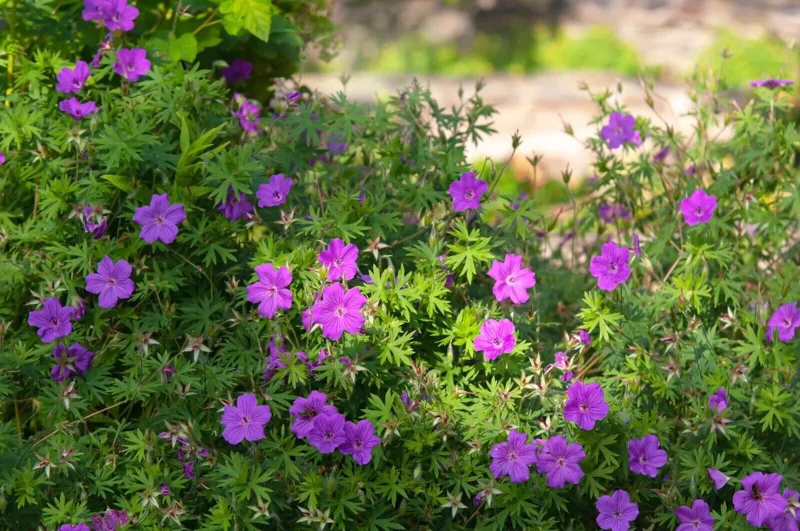
3 Cranesbill Wild Geranium Organic Maculatums Bare Roots | Wildflower for Outdoor Garden
Sold 116 products
Original price was: $21.99.$9.99Current price is: $9.99.
Sold 114 products
Original price was: $28.99.$17.99Current price is: $17.99.
Sold 110 products
Original price was: $63.99.$28.99Current price is: $28.99.
Sold 108 products
Original price was: $28.99.$17.99Current price is: $17.99.RELATED posts
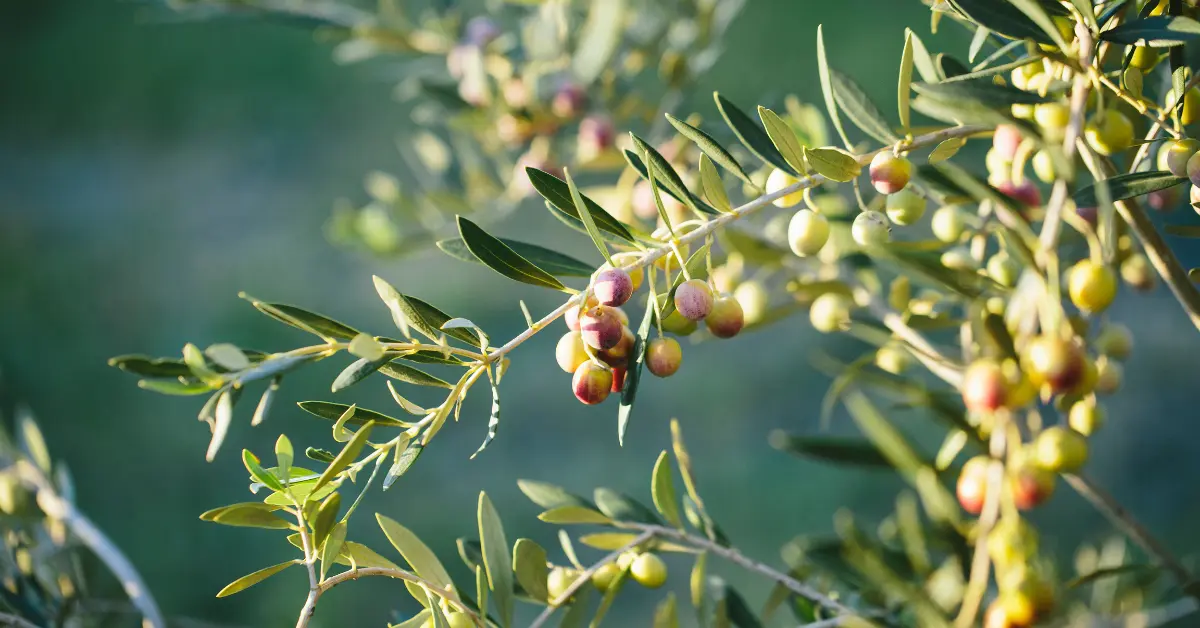
How to Grow Arbequina Olive Trees: The Ultimate Guide to Your Own Olive Grove
Arbequina Olive Tree (Olea europaea ‘Arbequina’) – the ultimate Mediterranean plant that brings a touch [...]
Oct
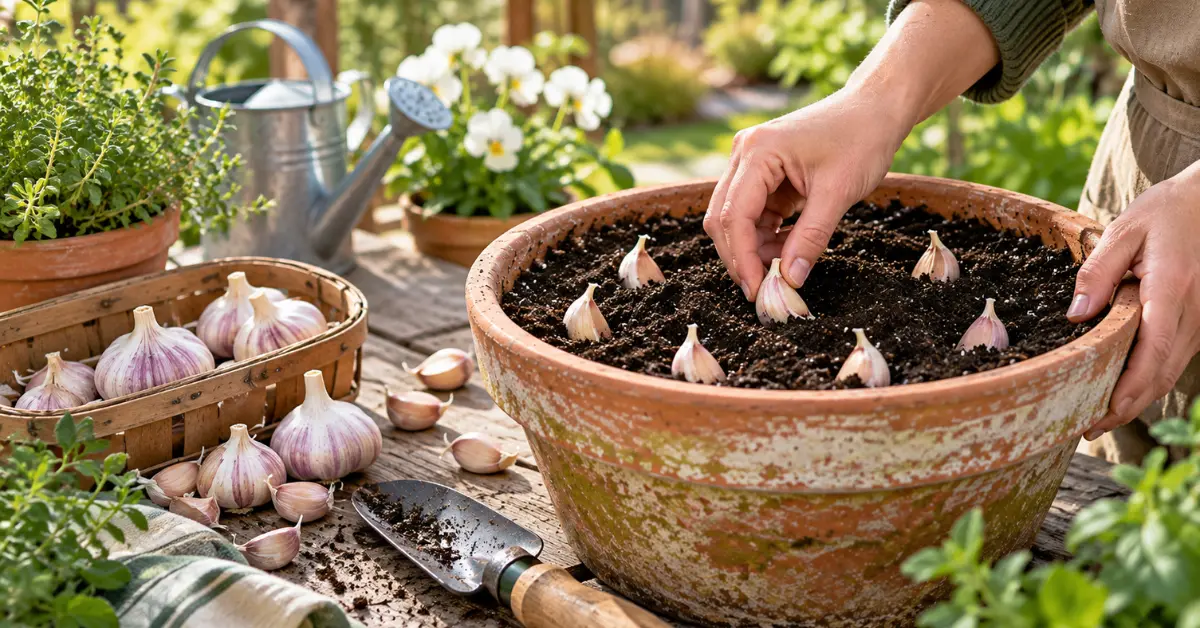
Growing Garlic in Containers This Fall: A Complete Guide for Beginners
If you’ve ever wanted to pop fresh, aromatic garlic cloves straight from your own patio [...]
Sep
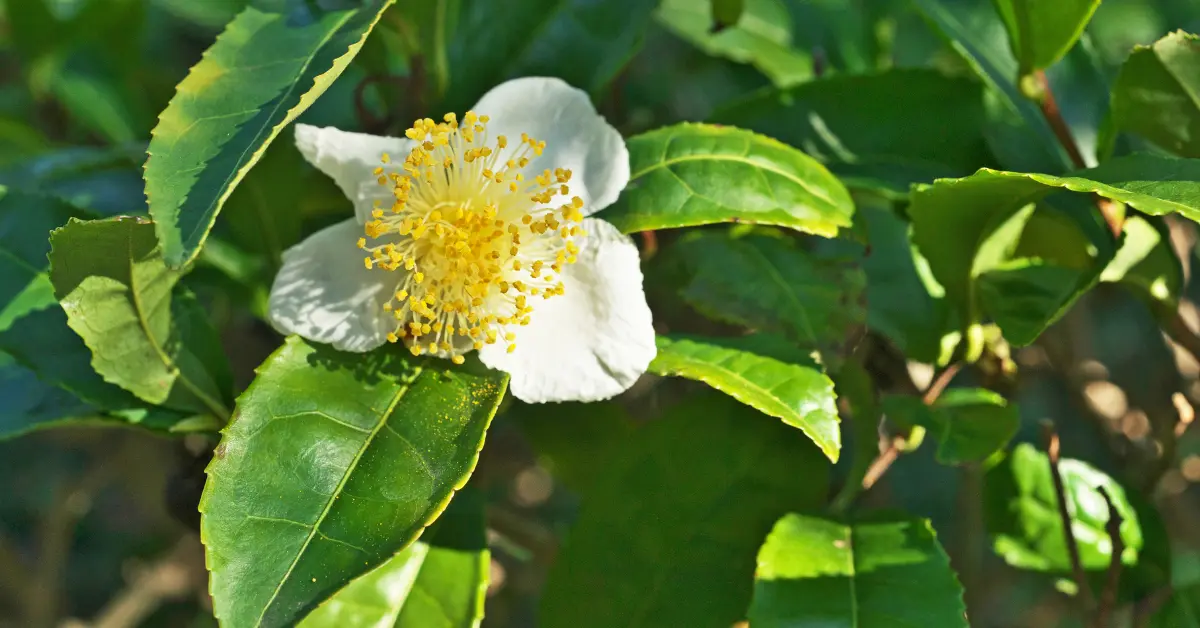
Growing Camellia Sinensis (Tea Plants) in Containers: A Complete Guide for Beginners
If you’ve ever wanted to sip a steaming, homegrown cup of fresh green, black, or [...]
Aug
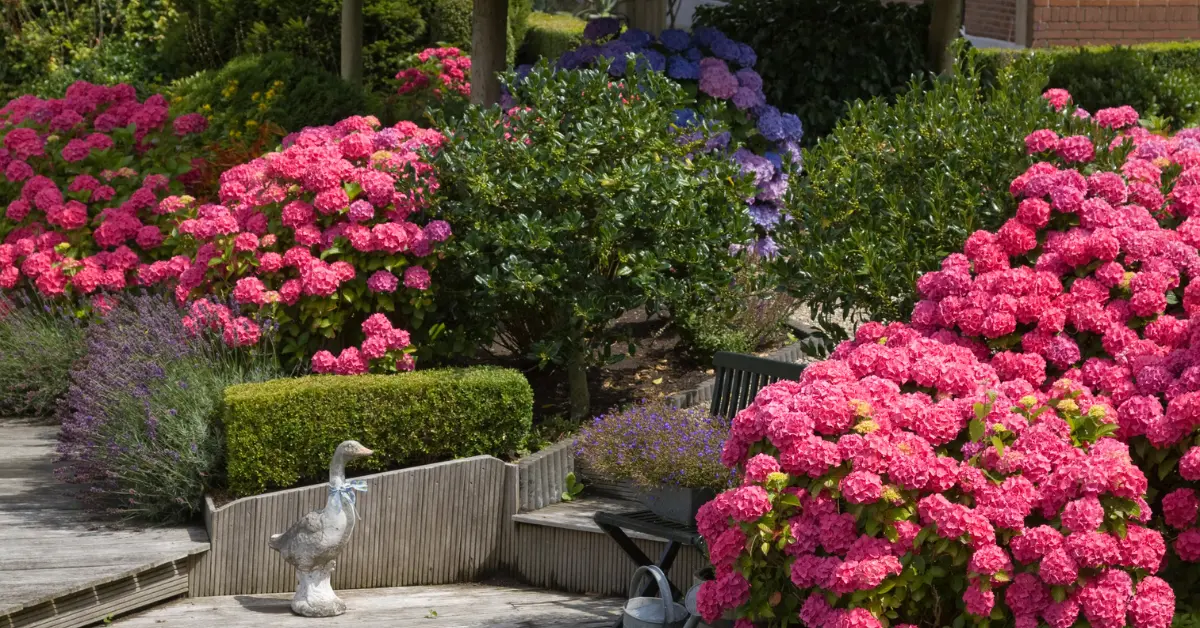
6 Best Shrubs to Plant in August You Must Try
Have you ever walked through a nursery late in the summer, admired the vibrant shrubs [...]
Aug
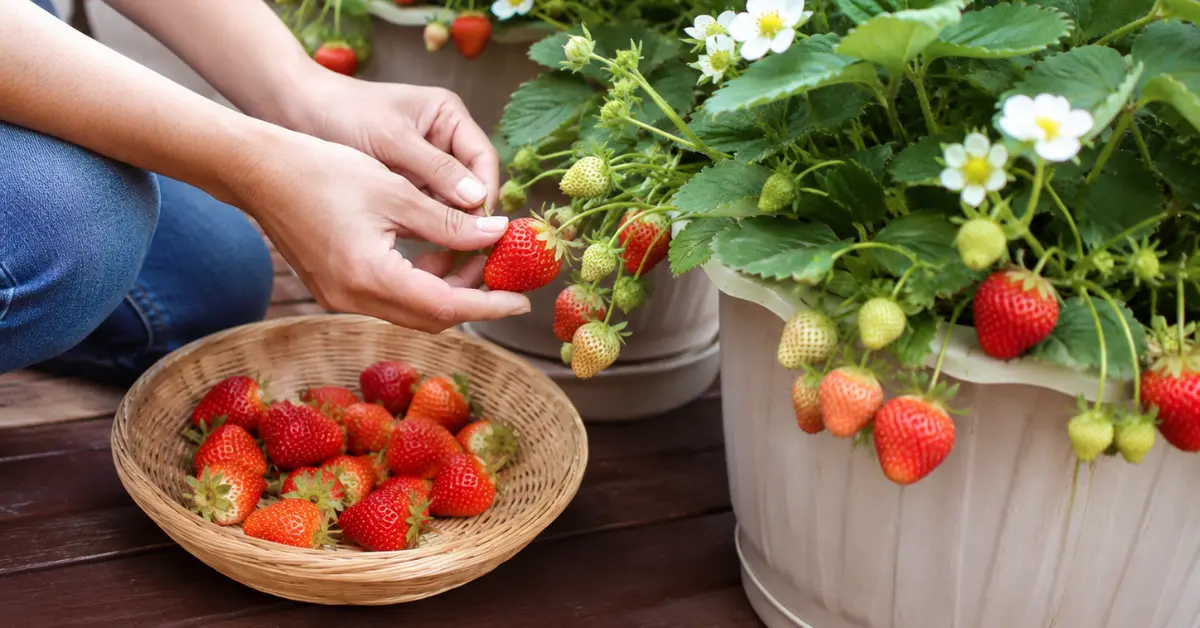
Growing Everbearing Strawberries in Containers: A Complete Guide for Beginners
Want to grow sweet, fresh strawberries but do not have a large garden? Everbearing strawberries [...]
Aug
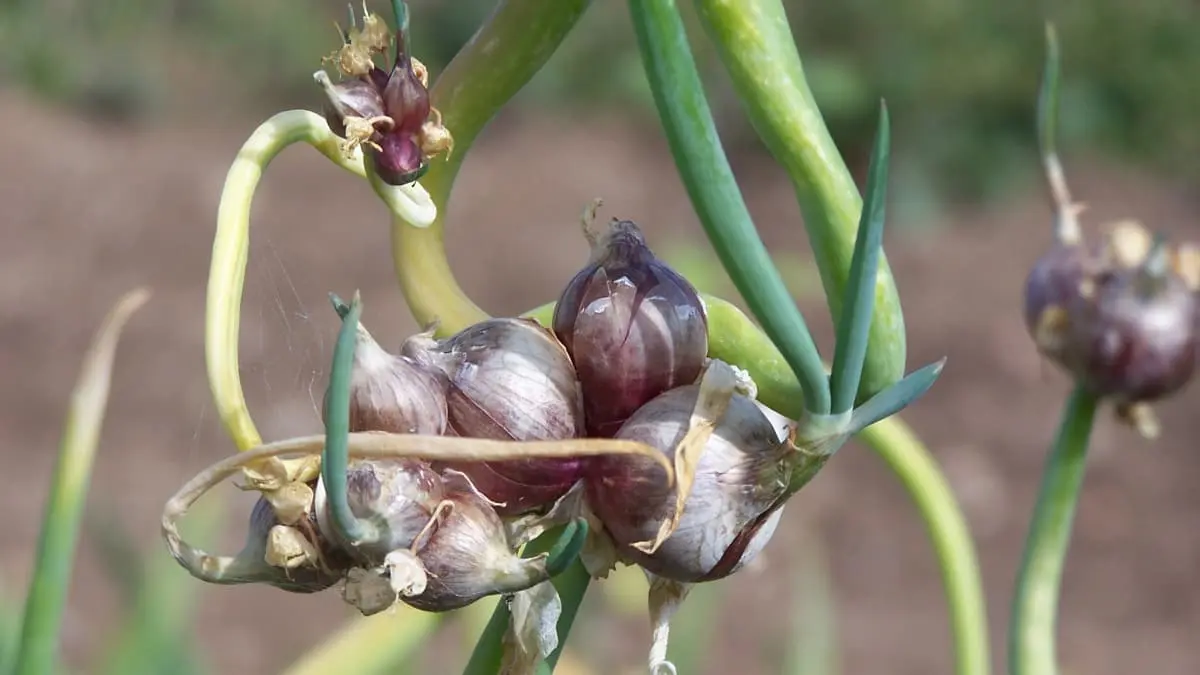
Growing Egyptian Walking Onions in Containers: A Complete Guide for Beginners
If you’re looking for a hardy, no-fuss perennial onion that keeps on giving year after [...]
Jul
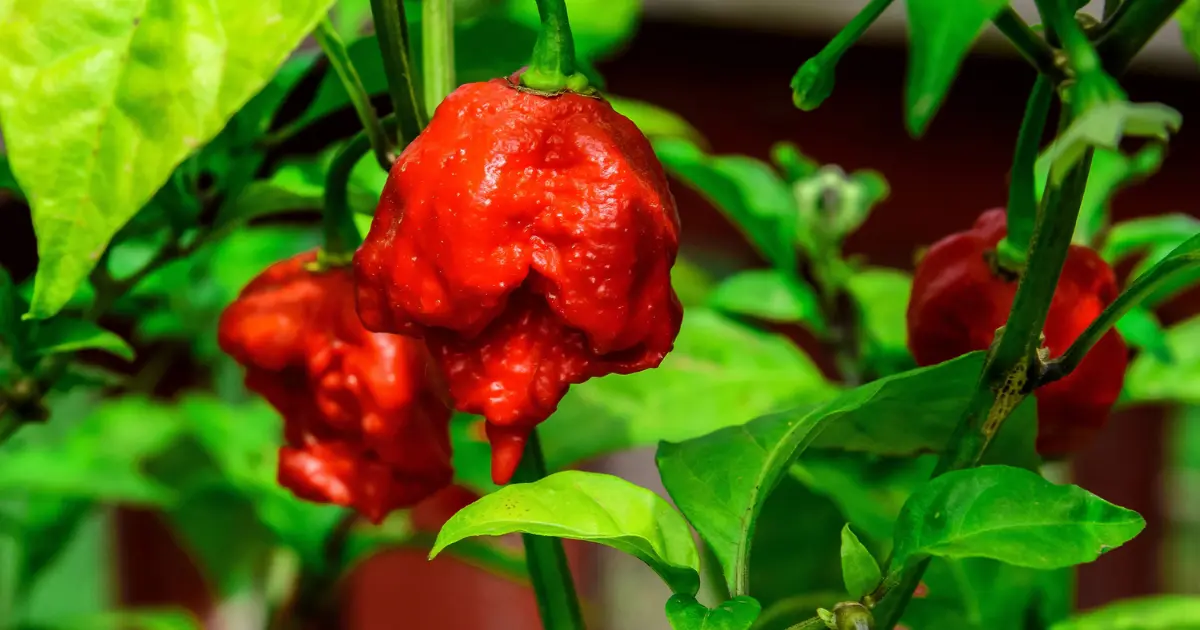
Growing Carolina Reaper Peppers in Pots: A Complete Guide for Beginners
If you’ve ever wanted to add some serious, record-breaking heat to your home cooking, you’ve [...]
May
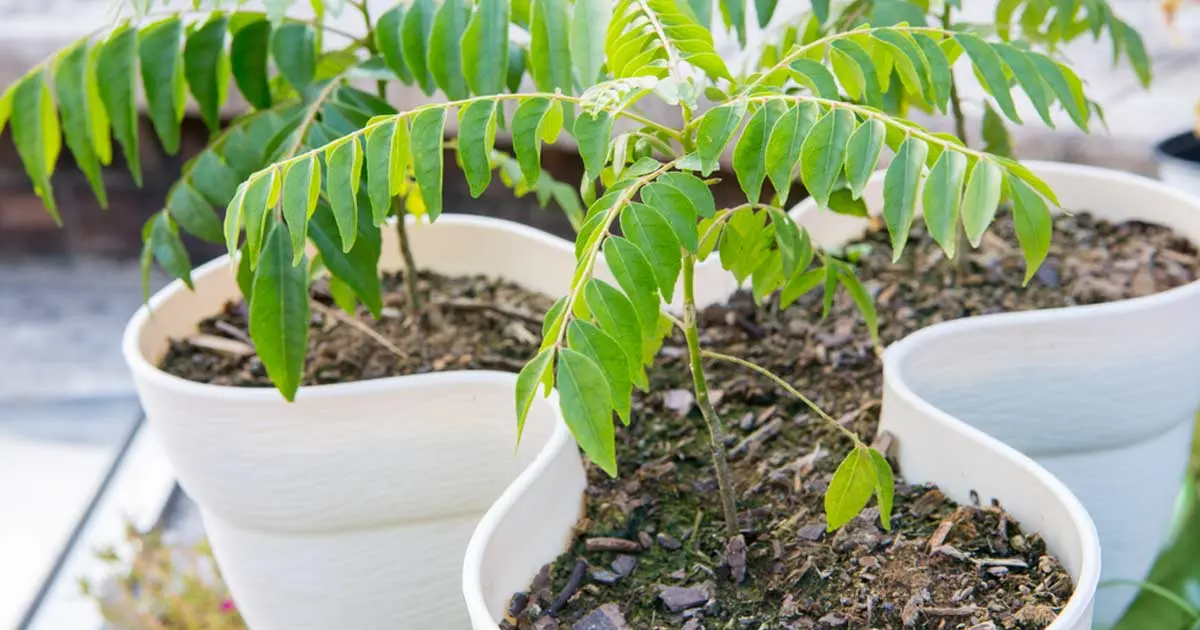
Growing Curry Leaf Plant in Pots: A Complete Guide for Beginners
If you’re a fan of authentic South Asian cuisine, you already know that nothing compares [...]
May
Reviews
There are no reviews yet.