
Hosta ‘Gigantosaurus’ Perennial Plant – Giant Foliage for Shade Gardens
Original price was: $63.98.$31.99Current price is: $31.99.
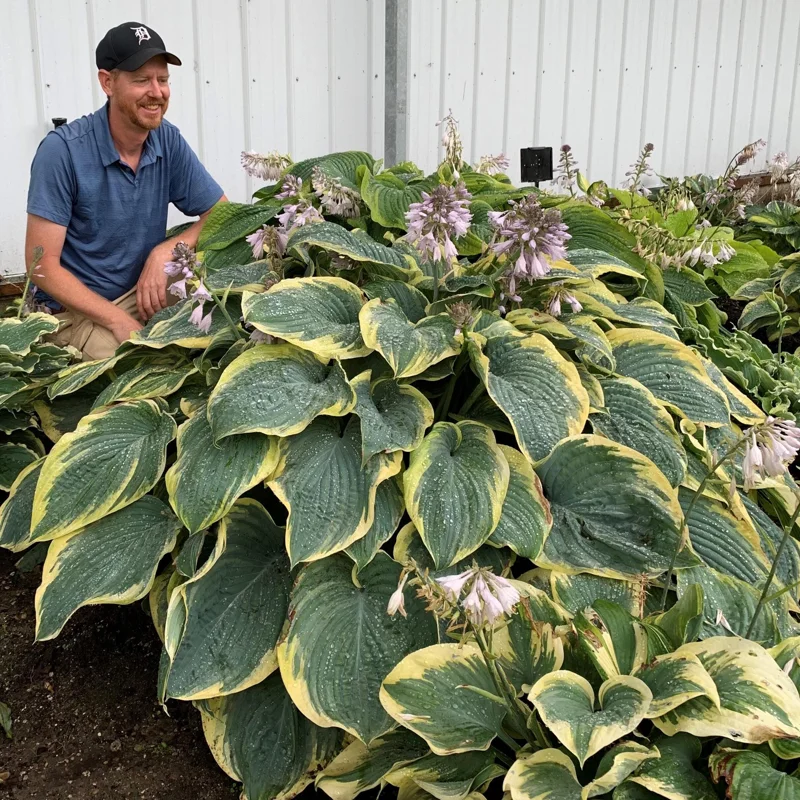
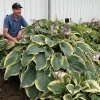
Introduce the magnificent Hosta Gigantosaurus perennial plant to your landscape. This impressive variety boasts enormous, textured leaves, creating a bold statement in any shade garden. Ideal for groundcover or specimen planting.
Estimated arrival
Oct 16
Oct 21 - Oct 23
Oct 26 - Oct 30

Reasonable Price
We offer reasonable price

Support 24/7
Contact us 24 hrs a day

100% Money Back
You've 30 days to Return

Payment Secure
100% secure payment
Overview
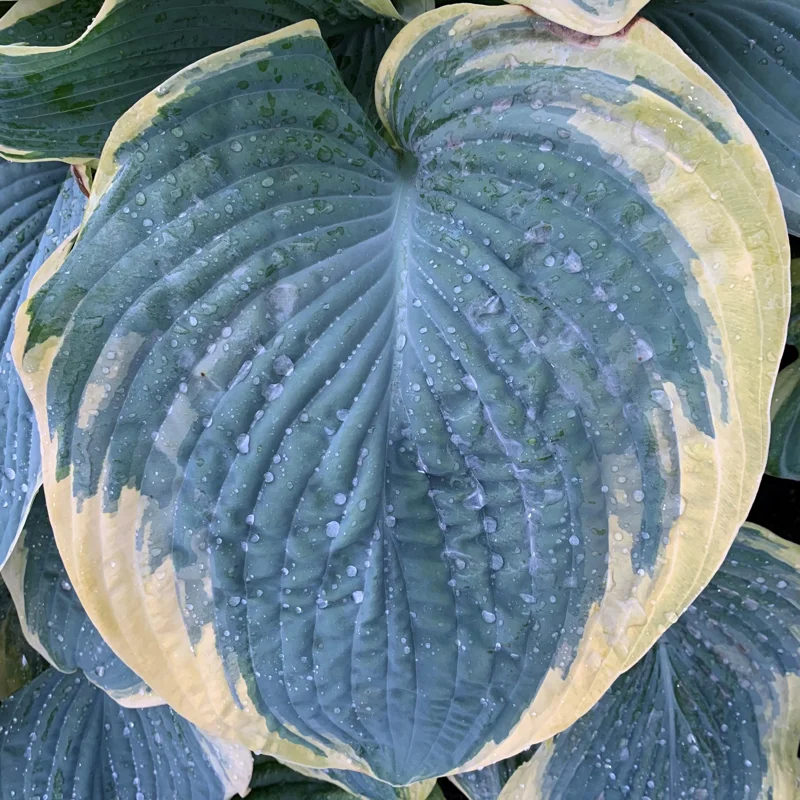
Welcome to the world of magnificent foliage with the Hosta Gigantosaurus perennial plant. This impressive live plant is renowned for its colossal size and dramatic presence, making it a standout feature in any shade garden. Unlike many smaller hosta varieties, ‘Gigantosaurus’ lives up to its name, developing massive, deeply veined green leaves that can easily become the focal point of your landscape. It’s an ideal choice for gardeners looking to add significant texture and a lush, tropical feel to their outdoor spaces, thriving in conditions where many flowering plants struggle. This robust perennial is not just about size; it also offers exceptional hardiness and a relatively low-maintenance profile once established, making it a rewarding addition for both novice and experienced gardeners seeking giant hosta varieties.
The Hosta genus, a beloved group of shade-loving perennials, offers incredible diversity, and ‘Gigantosaurus’ stands out as one of its most imposing members. Its vigorous growth habit and impressive leaf span create a dense canopy that can suppress weeds and provide excellent groundcover. Whether you’re designing a woodland garden, enhancing a shaded border, or simply looking for a dramatic specimen plant, the Hosta Gigantosaurus perennial plant brings unparalleled grandeur and a touch of prehistoric charm to your garden.
Key Benefits
The Hosta Gigantosaurus perennial plant offers a multitude of benefits that make it a highly desirable addition to any garden, particularly those with shaded areas. Its unique characteristics contribute to both aesthetic appeal and practical garden solutions:
- Dramatic Foliage: The most striking feature of ‘Gigantosaurus’ is its enormous, textured leaves. These massive green leaves create a powerful visual impact, adding significant architectural interest and a lush, tropical feel to your landscape.
- Excellent Shade Tolerance: Thriving in partial to full shade, this hosta is a perfect solution for those challenging garden spots where direct sunlight is limited. It provides vibrant greenery where other plants might struggle.
- Low Maintenance: Once established, the Hosta Gigantosaurus perennial plant is remarkably easy to care for, requiring minimal attention beyond regular watering. It’s a great choice for busy gardeners.
- Effective Groundcover: Due to its expansive growth habit, ‘Gigantosaurus’ forms a dense canopy that effectively shades out weeds, reducing the need for constant weeding and maintaining a tidy appearance.
- Long-Lived Perennial: Hosta plants are known for their longevity, returning year after year with increasing vigor and size. This makes ‘Gigantosaurus’ a wise long-term investment for your garden.
- Pest Resistance: While no plant is entirely pest-free, ‘Gigantosaurus’ often shows good resistance to common garden pests, contributing to its overall hardiness and ease of care.
- Versatile Design Element: Its grand scale makes it perfect as a specimen plant, a backdrop for smaller shade plants, or as part of a mass planting to create a truly immersive shade garden plants experience.
Plant Care & Growing Tips
Caring for your Hosta Gigantosaurus perennial plant is relatively straightforward, ensuring it thrives and reaches its full majestic potential. Proper cultivation starts with understanding its light requirements. This hosta performs best in partial to full shade. While it can tolerate a few hours of morning sun, intense afternoon sun can scorch its large leaves, leading to browning and a diminished appearance. Aim for a location that receives dappled sunlight throughout the day or full shade, especially during the hottest parts of the afternoon. Good air circulation is also beneficial to prevent fungal issues.
Watering is crucial for the establishment and ongoing health of your large leaf hosta. Keep the soil consistently moist, but never waterlogged. During dry spells, especially in its first year, deep watering once or twice a week is recommended. Established plants are more tolerant of brief dry periods but will perform best with regular moisture. The ideal soil is rich in organic matter, well-draining, and slightly acidic to neutral (pH 6.0-7.0). Amend heavy clay soils with compost to improve drainage, and sandy soils to enhance water retention. The ‘Gigantosaurus’ is a hardy perennial, typically thriving in USDA zones 3-9. It requires a period of winter dormancy, so ensure it experiences cold temperatures for optimal growth the following spring.
Fertilize your Hosta Gigantosaurus perennial plant in early spring as new growth emerges. A balanced, slow-release granular fertilizer or an organic compost spread around the base of the plant will provide the necessary nutrients. Avoid over-fertilizing, which can lead to excessive, floppy growth. Watch out for slugs and snails, which are common hosta pests. Organic methods like hand-picking, slug baits, or creating barriers can help manage these. Dividing mature clumps every few years in early spring can rejuvenate the plant and provide new specimens for other areas of your shade garden plants. Always ensure you are providing adequate moisture, especially during its growing season, to support the development of its impressive foliage.
Size & Details
The Hosta Gigantosaurus perennial plant is celebrated for its impressive dimensions, making it a true showstopper in the garden. When mature, this hosta can reach an impressive height of 2-3 feet (60-90 cm) with an even more striking spread of 4-6 feet (120-180 cm) or even wider. Its individual leaves are equally grand, often measuring 12-18 inches (30-45 cm) long and wide, contributing to its overall ‘gigantic’ appearance. This live plant typically ships as a dormant bare root or a young potted plant, ready to be planted upon arrival. With proper care, it establishes quickly and begins to expand its impressive foliage within its first year, reaching a significant size within 3-5 years. The growth rate is vigorous, ensuring a substantial presence in your garden relatively quickly. Expect to see the full grandeur of this large leaf hosta as it matures, providing a lush, dense groundcover or a magnificent specimen.
In mid to late summer, the Hosta Gigantosaurus perennial plant produces tall scapes of lavender flowers, rising above the impressive foliage. While the flowers are attractive, it is primarily grown for its stunning leaves. This plant is an excellent choice for those looking to fill large, shaded areas with substantial, architectural greenery, contributing to a rich and vibrant landscape. The mature size and spread make it suitable for spacious garden beds, woodland settings, or as a bold foundational planting. Understanding the potential mature dimensions is key for proper placement and ensuring it has ample room to flourish and display its full glory.
Frequently Asked Questions
- Q: How big does this plant get? A: The Hosta Gigantosaurus perennial plant can reach an impressive height of 2-3 feet and spread 4-6 feet wide at maturity, making it one of the largest hosta varieties available.
- Q: What size pot does it come in? A: This plant typically ships as a dormant bare root or in a small nursery pot, usually between 2-4 inches, ready for immediate planting in your garden.
- Q: Is this an indoor or outdoor plant? A: The Hosta Gigantosaurus perennial plant is primarily an outdoor plant, thriving in shaded garden beds and landscapes. It requires a period of winter dormancy to perform well.
- Q: How much sunlight does it need? A: This hosta prefers partial to full shade. It can tolerate some morning sun but should be protected from harsh afternoon sun to prevent leaf scorch.
- Q: Is this plant easy to care for? A: Yes, once established, the Hosta Gigantosaurus perennial plant is relatively low maintenance. It requires consistent moisture and protection from slugs and snails.
- Q: What condition will it arrive in? A: Your hosta will arrive healthy and ready for planting, either as a dormant bare root or a young, actively growing plant, depending on the season.
- Q: Is it shipped in soil? A: If shipped as a potted plant, it will be in its nursery soil. Bare roots are usually shipped without soil, carefully packaged to maintain viability.
- Q: How long until it blooms? A: Hosta ‘Gigantosaurus’ typically produces lavender flowers in mid to late summer once the plant is mature and well-established, usually within 1-2 years after planting.
- Q: When is the best time to plant? A: The best time to plant your Hosta Gigantosaurus perennial plant is in spring or early fall, allowing it sufficient time to establish its root system before extreme temperatures.
- Q: Will it survive winter in my zone? A: This hosta is hardy in USDA Zones 3-9, meaning it can tolerate cold winters and will return year after year in these regions.
- Q: What’s the minimum temperature it can tolerate? A: Hosta ‘Gigantosaurus’ can withstand winter temperatures down to -40°F (-40°C) in its appropriate USDA hardiness zones, requiring a cold dormancy period.
- Q: Are there other giant hosta varieties similar to ‘Gigantosaurus’? A: Yes, other large hostas include ‘Empress Wu’, ‘Sum and Substance’, and ‘Blue Angel’, all known for their impressive size and foliage.
- Q: How often should I water my large leaf hosta? A: Water regularly, especially during dry periods and its first year, keeping the soil consistently moist but not waterlogged. About 1-2 inches of water per week is a good guideline.
- Q: Can I grow this in a container? A: While possible, due to its massive size, Hosta Gigantosaurus perennial plant would require a very large container to thrive and fully develop, and may need more frequent watering.
- Q: What are the best companion plants for shade garden plants like this hosta? A: Ferns, astilbes, bleeding hearts, and impatiens make excellent companions, complementing the hosta’s large foliage with their varied textures and colors.
- Q: How do I protect my hosta from slugs and snails? A: Use organic slug baits, copper tape barriers, or hand-pick pests in the evenings. Keeping the area around the plant clean can also help.
- Q: Is this hosta considered one of the best for growing hosta plants in terms of size? A: Absolutely, ‘Gigantosaurus’ is among the top contenders for gardeners seeking the largest and most dramatic hosta specimens, making it a favorite for those interested in growing hosta plants with significant impact.
Be the first to review “Hosta ‘Gigantosaurus’ Perennial Plant – Giant Foliage for Shade Gardens”
-
USDA Hardiness Zone
USDA Zones 3-9 -
Soil Type
Rich, well-draining, slightly acidic to neutral soil -
Sunlight Exposure
Partial to full shade -
Expected Planting Period
Spring to early fall
People Also Viewd
Sold 134 products
Original price was: $3,536.00.$23.99Current price is: $23.99.
Sold 132 products
Original price was: $27.00.$24.00Current price is: $24.00.
Sold 132 products
Original price was: $89.99.$64.99Current price is: $64.99.

Sold 125 products
Original price was: $86.99.$66.99Current price is: $66.99.
Flower Bulbs
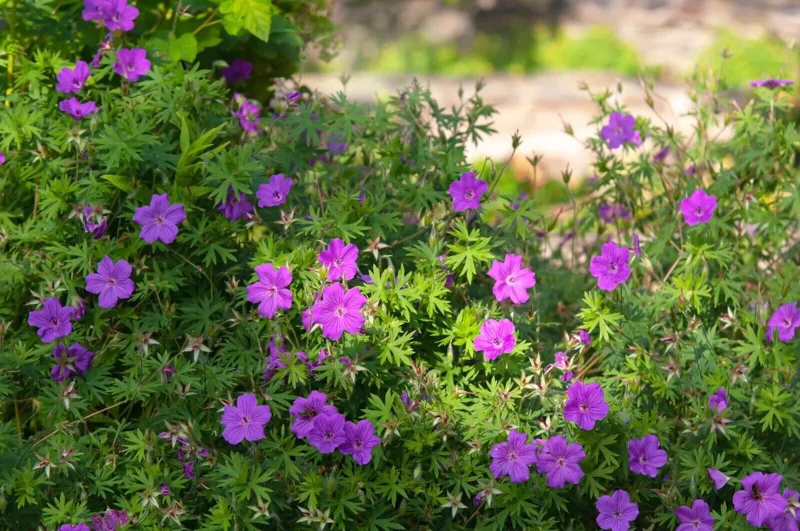
3 Cranesbill Wild Geranium Organic Maculatums Bare Roots | Wildflower for Outdoor Garden
Sold 116 products
Original price was: $21.99.$9.99Current price is: $9.99.
Sold 114 products
Original price was: $28.99.$17.99Current price is: $17.99.
Sold 110 products
Original price was: $63.99.$28.99Current price is: $28.99.
Sold 108 products
Original price was: $28.99.$17.99Current price is: $17.99.RELATED posts
How to Grow Arbequina Olive Trees: The Ultimate Guide to Your Own Olive Grove
Arbequina Olive Tree (Olea europaea ‘Arbequina’) – the ultimate Mediterranean plant that brings a touch [...]
Oct
Growing Garlic in Containers This Fall: A Complete Guide for Beginners
If you’ve ever wanted to pop fresh, aromatic garlic cloves straight from your own patio [...]
Sep
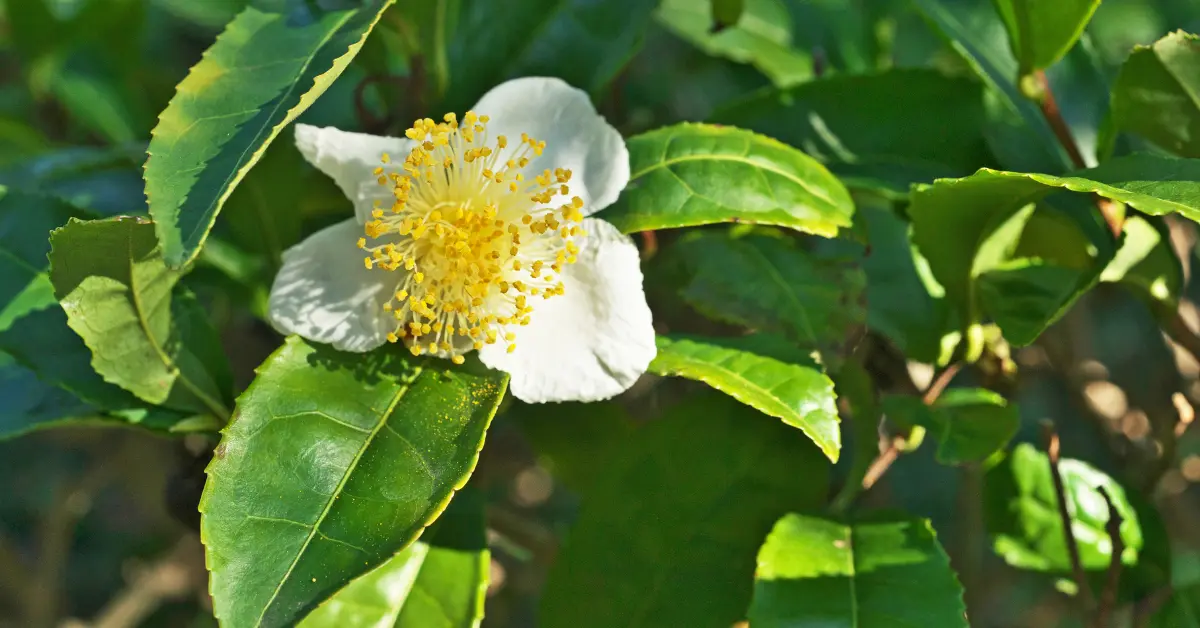
Growing Camellia Sinensis (Tea Plants) in Containers: A Complete Guide for Beginners
If you’ve ever wanted to sip a steaming, homegrown cup of fresh green, black, or [...]
Aug
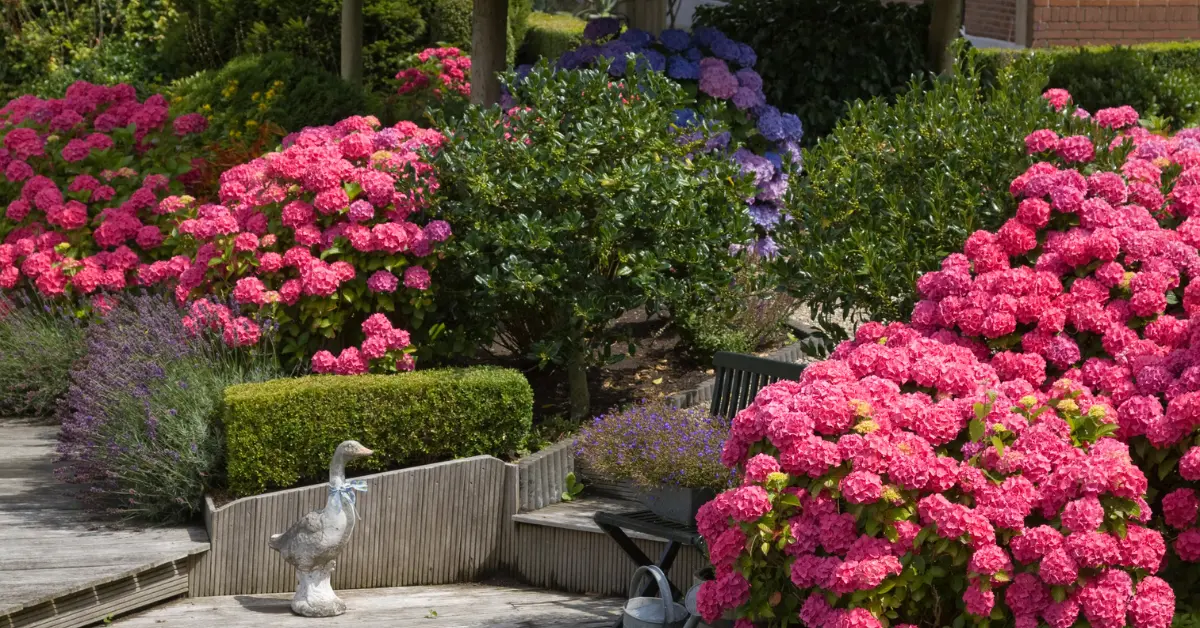
6 Best Shrubs to Plant in August You Must Try
Have you ever walked through a nursery late in the summer, admired the vibrant shrubs [...]
Aug
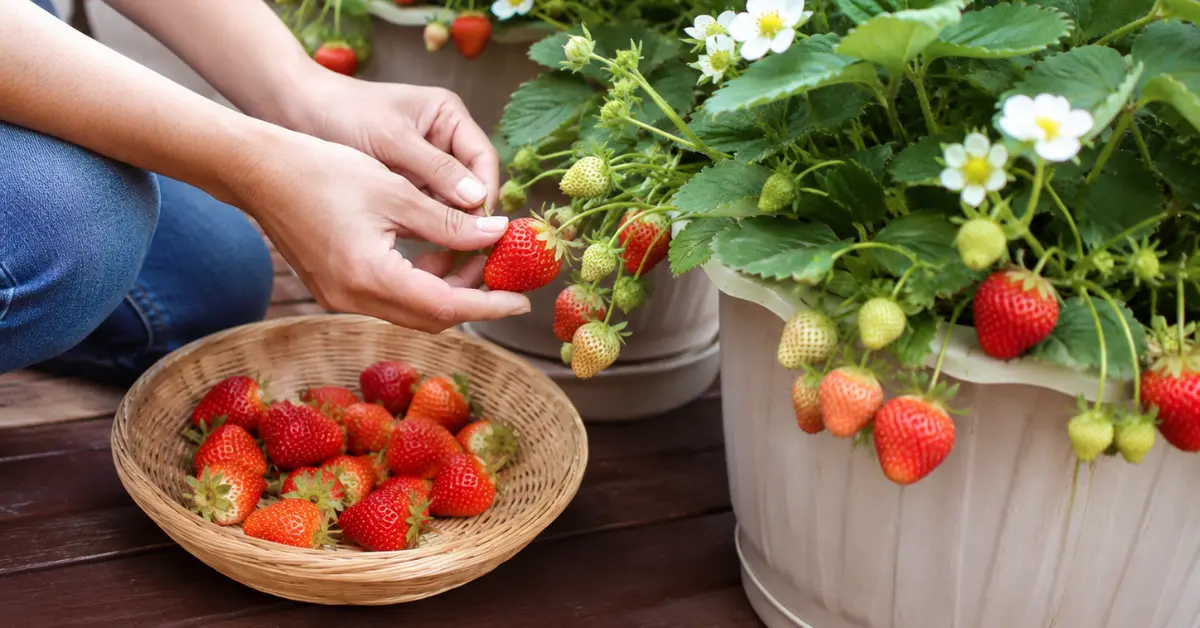
Growing Everbearing Strawberries in Containers: A Complete Guide for Beginners
Want to grow sweet, fresh strawberries but do not have a large garden? Everbearing strawberries [...]
Aug
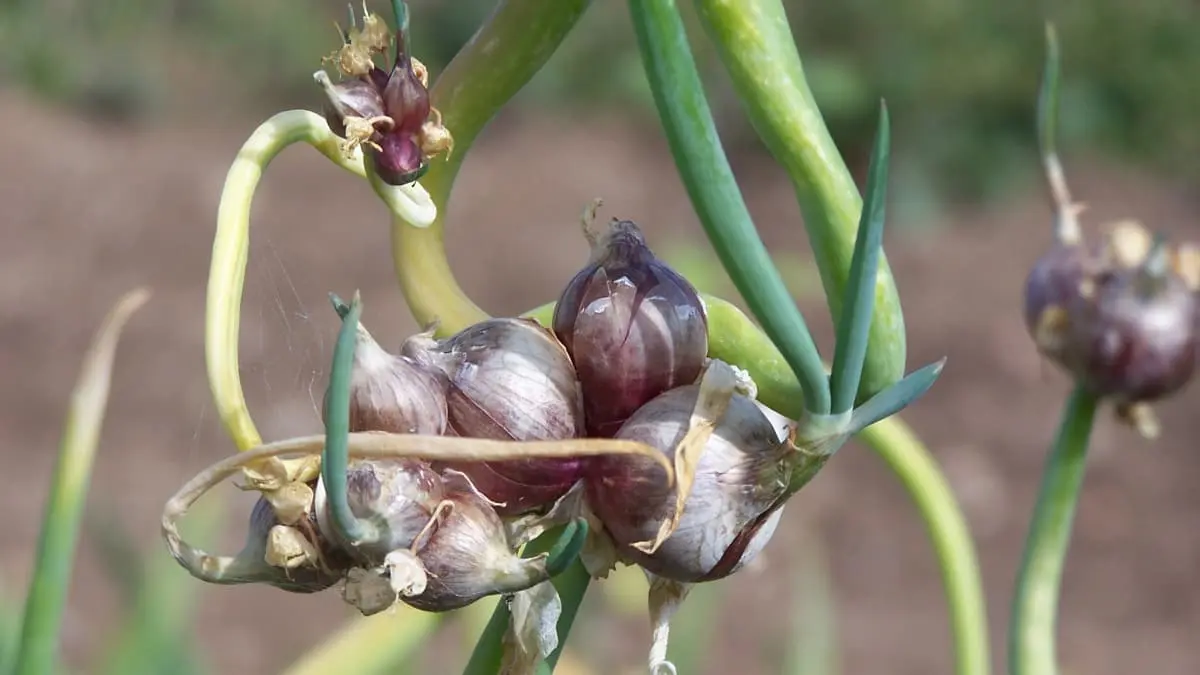
Growing Egyptian Walking Onions in Containers: A Complete Guide for Beginners
If you’re looking for a hardy, no-fuss perennial onion that keeps on giving year after [...]
Jul
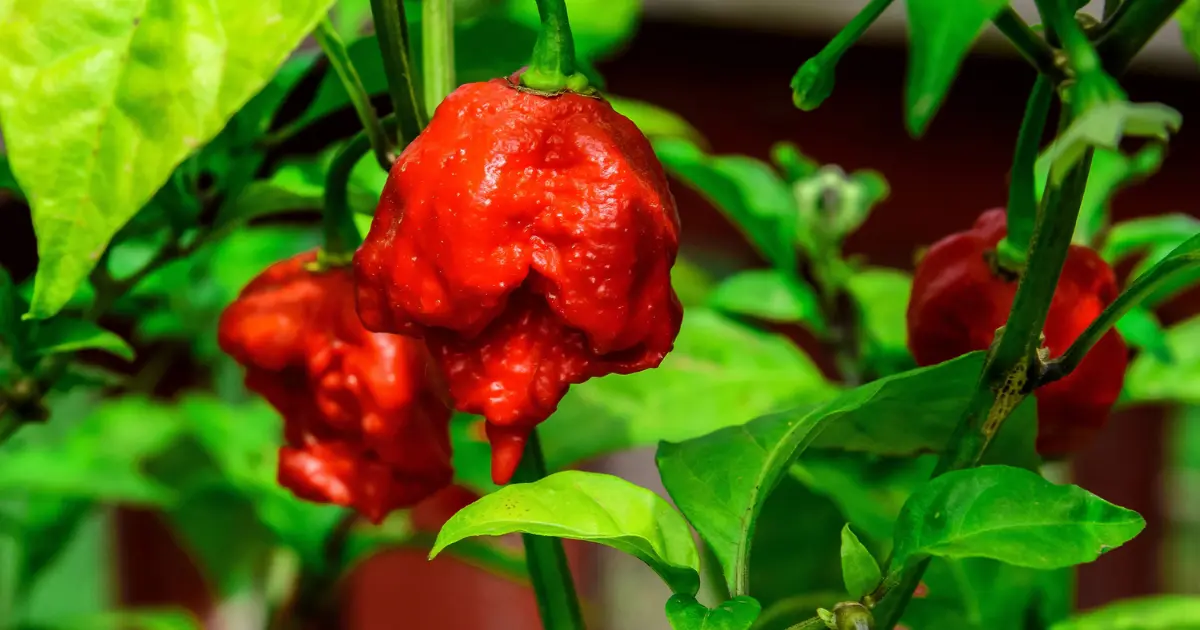
Growing Carolina Reaper Peppers in Pots: A Complete Guide for Beginners
If you’ve ever wanted to add some serious, record-breaking heat to your home cooking, you’ve [...]
May
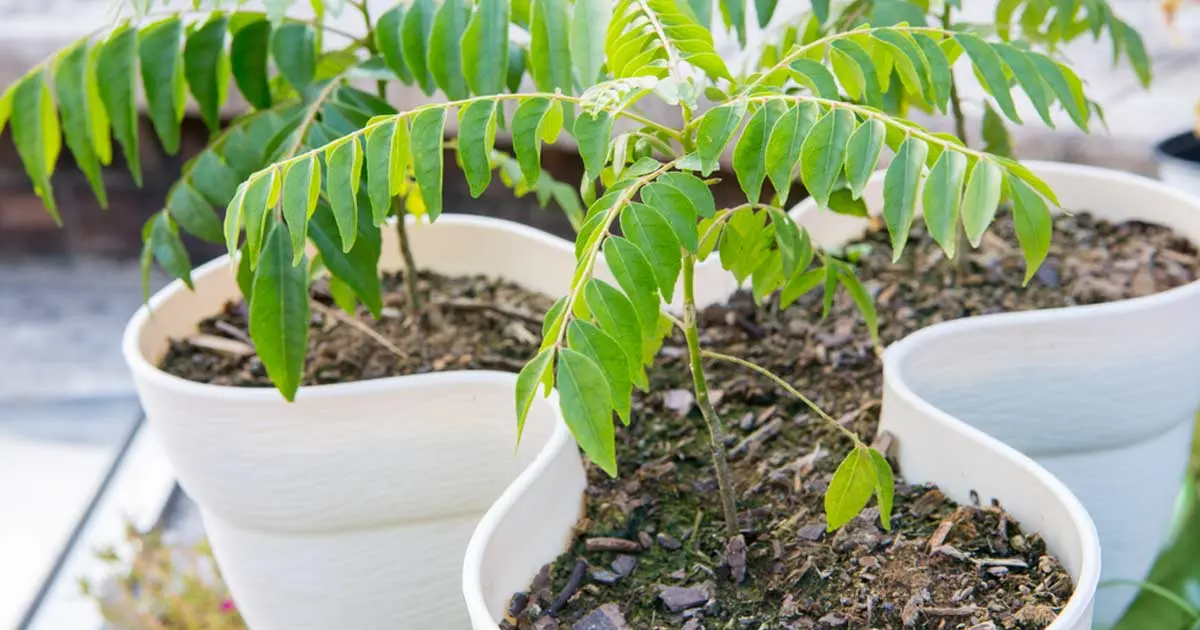
Growing Curry Leaf Plant in Pots: A Complete Guide for Beginners
If you’re a fan of authentic South Asian cuisine, you already know that nothing compares [...]
May
Reviews
There are no reviews yet.