
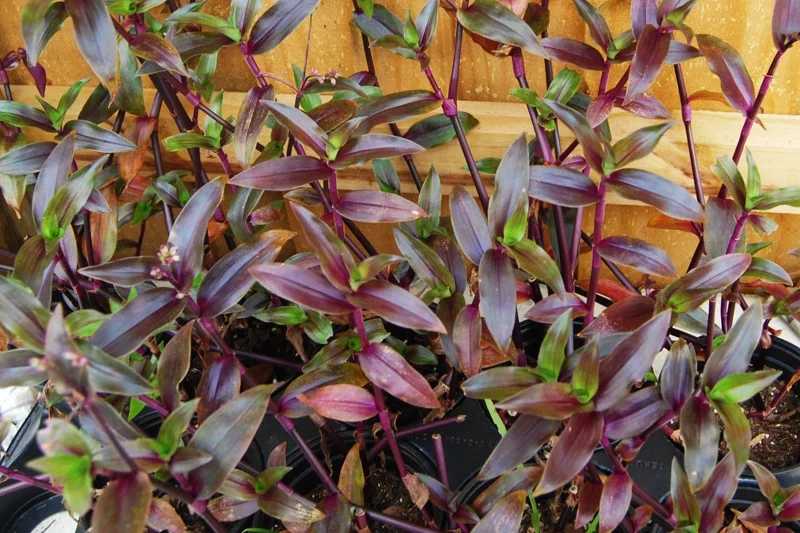
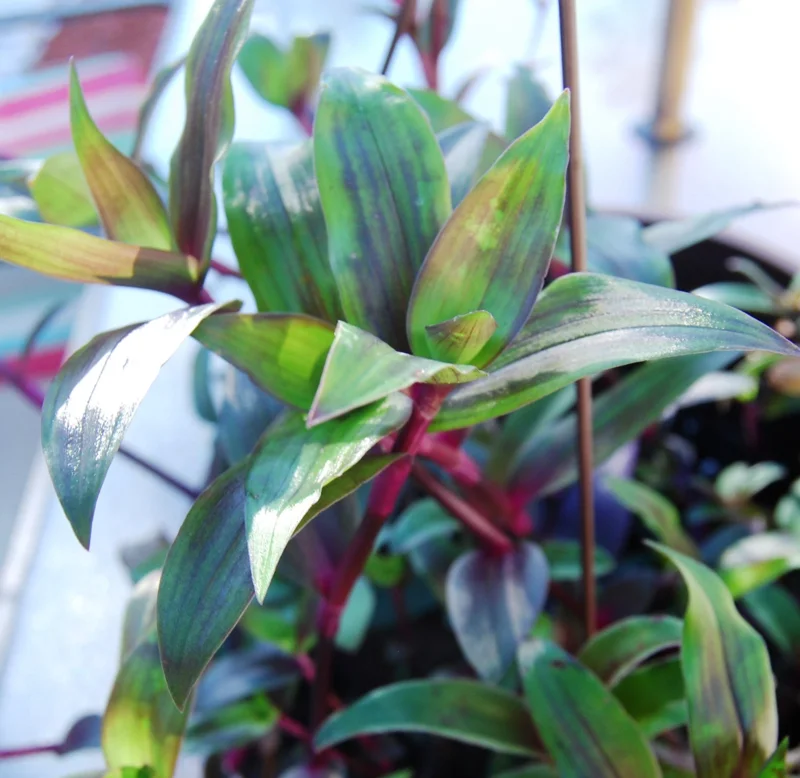
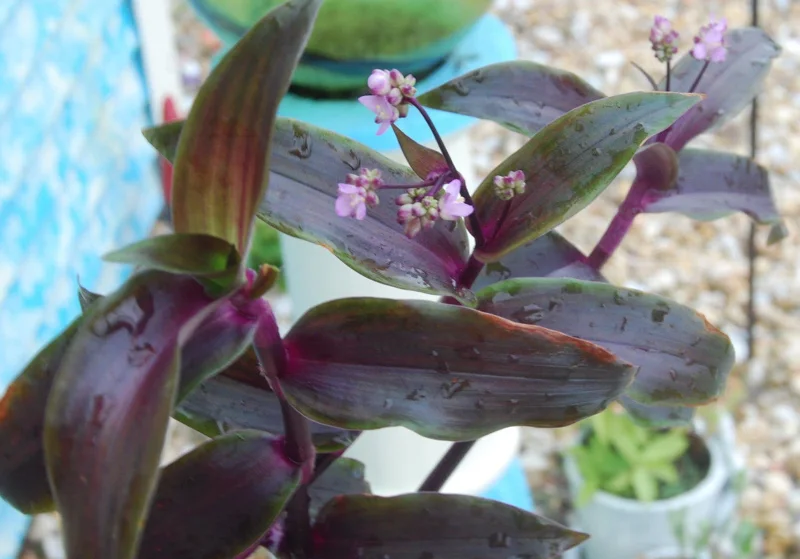
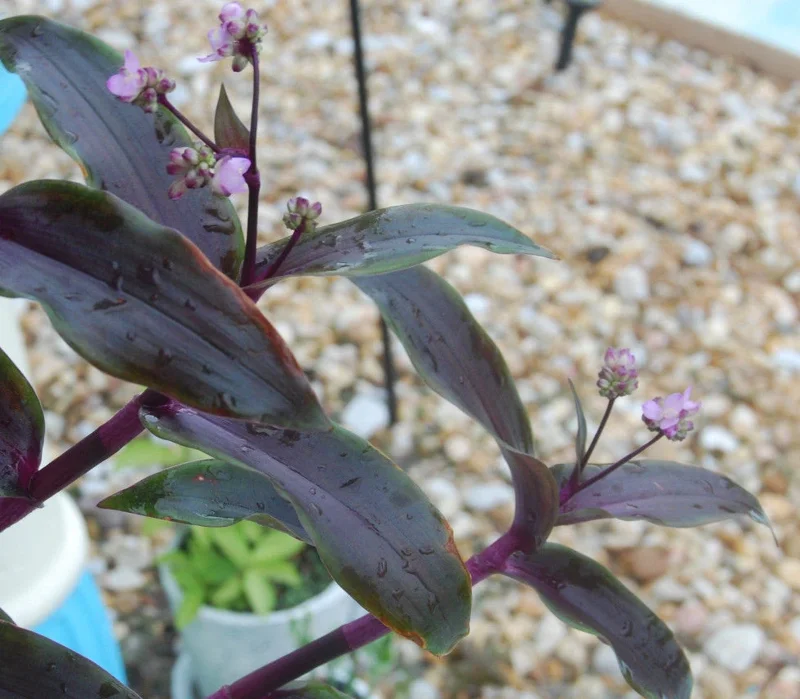
Tripogandra Serrulata Purple Scimitars Live Plant – Tradescantia Elongata Spiderwort
Original price was: $31.98.$15.99Current price is: $15.99.
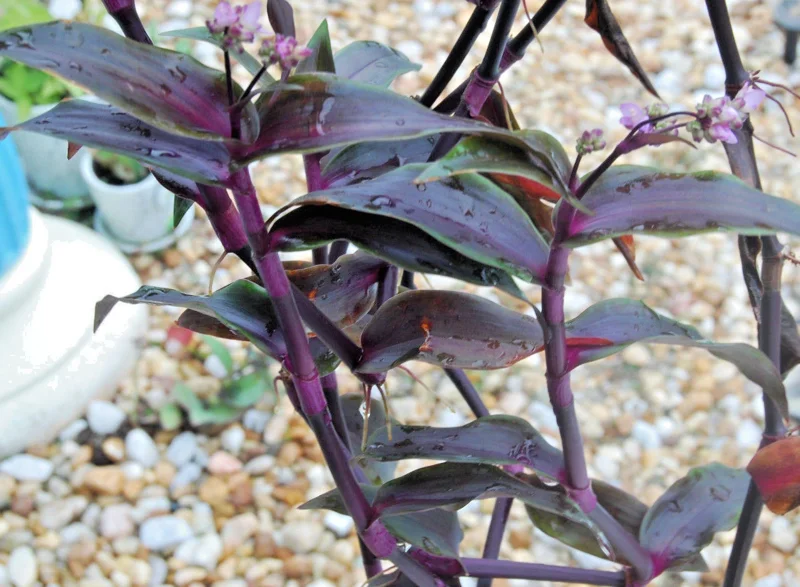
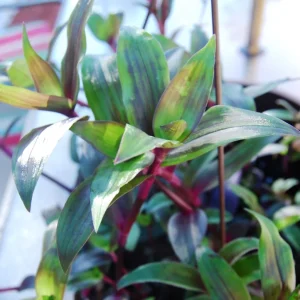
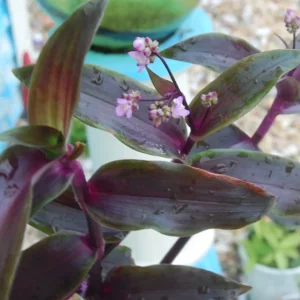
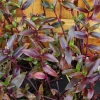
Bring vibrant color to your space with the Tripogandra Serrulata live plant, also known as ‘Purple Scimitars’ or Tradescantia Elongata plant. This striking foliage plant is an excellent choice for both indoor enthusiasts and outdoor garden beds, offering a beautiful display of purple-tinged leaves. It’s known for its relatively easy care, making it suitable for a wide range of gardeners.
Estimated arrival
Oct 16
Oct 21 - Oct 23
Oct 26 - Oct 30

Reasonable Price
We offer reasonable price

Support 24/7
Contact us 24 hrs a day

100% Money Back
You've 30 days to Return

Payment Secure
100% secure payment
Overview
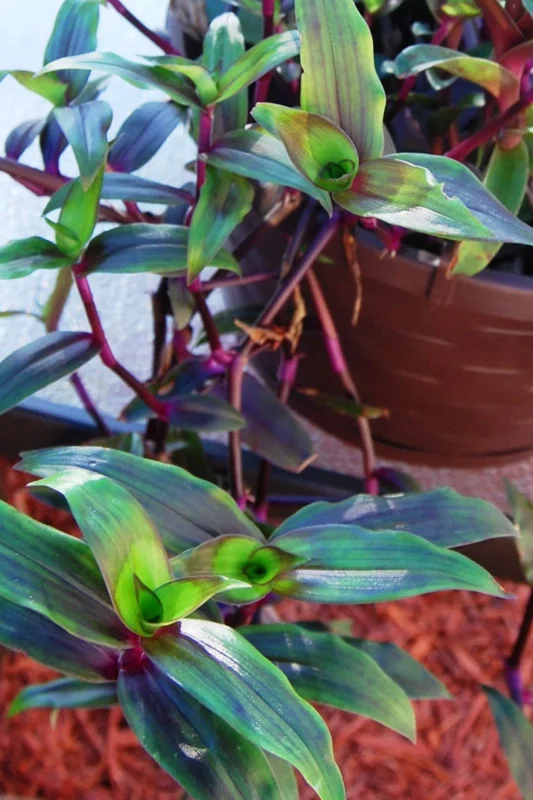
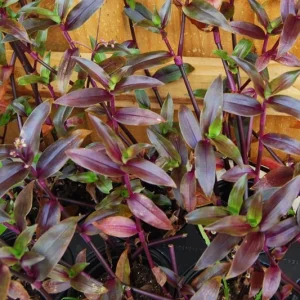
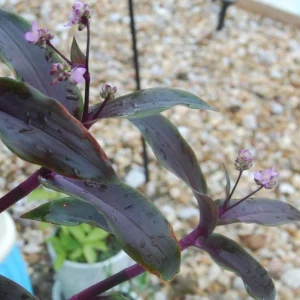
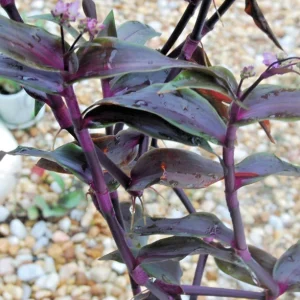
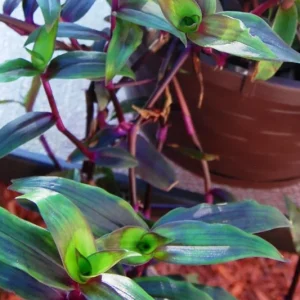
Introduce a splash of dramatic color and unique texture to your plant collection with the magnificent Tripogandra Serrulata live plant, commonly known as ‘Purple Scimitars’ or Tradescantia Elongata plant. This captivating specimen boasts slender, elongated leaves that display a beautiful gradient of green, often flushing with deep purple and burgundy hues, especially when exposed to ample light. As a member of the Commelinaceae family, it shares characteristics with other popular Tradescantia varieties, offering vigorous growth and an appealing trailing habit. Whether you’re looking to enhance your indoor plant display or add an eye-catching element to your outdoor garden, this live plant is a fantastic choice. Its distinctive appearance and relatively straightforward care make it a rewarding addition for both novice and experienced plant enthusiasts alike. The ‘Purple Scimitars’ truly lives up to its name, with its sword-like leaves creating a dynamic and visually interesting silhouette.
Key Benefits
The Tripogandra Serrulata live plant offers a multitude of benefits, making it a highly desirable addition to any plant collection. Its striking appearance is just the beginning of what this versatile plant brings to your home or garden.
- Stunning Visual Appeal: The primary draw of the ‘Purple Scimitars’ is its breathtaking foliage. The unique blend of green and purple tones provides a sophisticated and vibrant aesthetic that can brighten any room or garden space. Its elongated leaves create an elegant, flowing look.
- Easy to Grow: This plant is remarkably forgiving and adaptable, making it an excellent choice for beginners and those with busy schedules. It thrives with minimal fuss, requiring basic care to maintain its lush appearance.
- Versatile Placement: The Tradescantia Elongata plant can be grown indoors as a captivating houseplant or outdoors in containers, hanging baskets, or as a groundcover in warmer climates. Its adaptability allows for creative placement in various settings.
- Air Purification: Like many houseplants, the ‘Purple Scimitars’ contributes to a healthier indoor environment by helping to filter airborne toxins, improving the air quality in your home.
- Rapid Growth: Enjoy a quickly growing plant that will soon fill out its space, providing abundant foliage and a lush display. This fast growth makes it satisfying to watch and care for.
- Unique Foliage: Stand out from common houseplants with the distinct ‘Purple Scimitars’ foliage. The deep purple underside and green tops with purple veins make it a conversation starter and a unique decorative element.
- Low Maintenance: Once established, this Tripogandra Serrulata live plant requires infrequent watering and feeding, simplifying your plant care routine. It’s a perfect option for those seeking beauty without constant attention.
Plant Care & Growing Tips
Caring for your Tripogandra Serrulata live plant is relatively simple, allowing you to enjoy its vibrant beauty with ease. To ensure your ‘Purple Scimitars’ thrives, consider the following guidelines for optimal growth and health.
Sunlight Requirements: This plant prefers bright, indirect light. Indoors, place it near a window where it can receive plenty of light without direct, harsh sun, which can scorch its delicate leaves. An east or west-facing window is often ideal. If grown outdoors, a spot with morning sun and afternoon shade is best, especially in hotter climates, to protect the foliage from intense midday sun. Adequate light is crucial for developing the vibrant purple coloration. If the purple hues start to fade, it’s often a sign that the plant needs more light.
Watering Schedule and Soil Moisture: Water thoroughly when the top inch or two of soil feels dry to the touch. Allow the soil to dry out slightly between waterings, as this plant does not like to sit in soggy conditions, which can lead to root rot. Reduce watering frequency during the cooler, darker winter months. Ensure your pot has drainage holes to prevent water accumulation. The Tradescantia Elongata plant appreciates consistent moisture but is quite tolerant of short periods of dryness.
Soil Type and Drainage Requirements: A well-draining potting mix is essential. A standard houseplant mix amended with perlite or pumice for extra drainage works well. The soil should be light and airy, allowing roots to breathe and preventing waterlogging. Good drainage is key to preventing common issues like fungal diseases.
Temperature Range and USDA Hardiness Zone: As a tender perennial, the ‘Purple Scimitars’ thrives in warmer temperatures, ideally between 65-80°F (18-27°C). It is not frost-tolerant and should be brought indoors or protected when temperatures drop below 50°F (10°C). It is generally suitable for outdoor cultivation in USDA zones 9-11, where it can be grown as a perennial groundcover or in containers.
Fertilization Schedule and Type: Feed your Spiderwort plant indoor every 2-4 weeks during the growing season (spring and summer) with a balanced liquid fertilizer diluted to half strength. Reduce or cease fertilization during the fall and winter months when the plant’s growth slows down. Over-fertilization can lead to nutrient burn, so always follow product instructions.
Common Problems and Solutions: Watch out for common pests like spider mites and mealybugs, especially in dry indoor environments. Treat infestations with insecticidal soap or neem oil. Yellowing leaves can indicate overwatering or underwatering, so check soil moisture. Leggy growth suggests insufficient light; move the plant to a brighter location. Pruning helps maintain a bushy shape and encourages new growth.
Size & Details
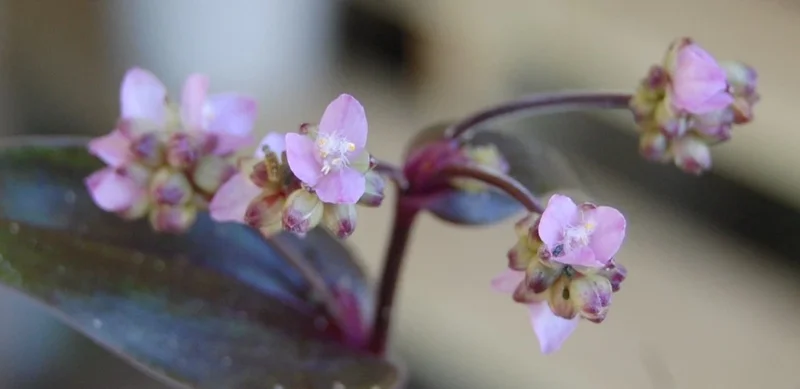
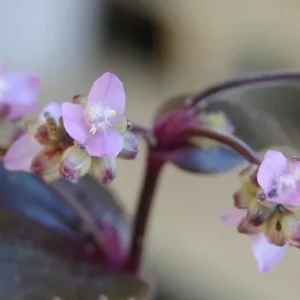
The Tripogandra Serrulata live plant typically grows with a trailing or spreading habit, making it ideal for hanging baskets or as a groundcover. Individual stems can reach lengths of 12-18 inches, with the plant forming a dense mound or cascade. The ‘Purple Scimitars’ is generally shipped as a young, actively growing potted plant, often in a 2-4 inch nursery pot, ready for transplanting into its permanent home. Its growth rate is moderate to fast under optimal conditions, allowing it to establish quickly. While it is primarily grown for its stunning foliage, small, inconspicuous flowers may appear, though they are not the main ornamental feature. Expect your plant to arrive healthy and well-rooted, ready to continue its growth journey in your care. This colorful foliage plant will continue to develop its rich purple hues as it matures and receives adequate light.
Frequently Asked Questions
- Q: How big does this plant get? A: The Tripogandra Serrulata live plant typically has a trailing habit, with stems reaching 12-18 inches in length. It forms a dense, spreading mound, making it perfect for hanging baskets or as a groundcover.
- Q: Is this an indoor or outdoor plant? A: This versatile plant can be grown both indoors as a houseplant or outdoors in containers or garden beds in warmer climates (USDA zones 9-11). It is not frost-tolerant.
- Q: How much sunlight does it need? A: The ‘Purple Scimitars’ thrives in bright, indirect light. Direct, harsh sunlight can scorch its leaves, while too little light may cause the purple coloration to fade.
- Q: Is this plant easy to care for? A: Yes, the Tradescantia Elongata plant is considered relatively easy to care for, making it suitable for both beginner and experienced plant enthusiasts. It’s quite forgiving of minor neglect.
- Q: What condition will it arrive in? A: Your plant will arrive as a healthy, actively growing potted specimen, typically in a 2-4 inch nursery pot, well-packaged to ensure its safe journey to your home.
- Q: What’s the best soil for a Spiderwort plant indoor? A: A well-draining potting mix is crucial. You can use a standard houseplant mix amended with perlite or pumice to ensure good drainage and aeration for the roots.
- Q: How often should I water my ‘Purple Scimitars’? A: Water when the top 1-2 inches of soil feel dry to the touch. It’s important to let the soil dry out slightly between waterings to prevent root rot.
- Q: Will the purple color fade? A: The vibrant purple coloration is most intense when the plant receives ample bright, indirect light. If the color starts to fade, it might indicate that the plant needs more light exposure.
- Q: Is this plant pet-safe? A: Like many plants in the Tradescantia family, Tripogandra Serrulata can cause mild irritation if ingested by pets. It’s best to keep it out of reach of curious animals.
- Q: When is the best time to plant? A: If planting outdoors, spring after the last frost is ideal. Indoors, it can be planted any time of year, provided it receives appropriate light and temperature.
Be the first to review “Tripogandra Serrulata Purple Scimitars Live Plant – Tradescantia Elongata Spiderwort”
-
USDA Hardiness Zone
USDA zones 9-11 -
Soil Type
Well-draining potting mix -
Sunlight Exposure
Bright indirect light -
Expected Planting Period
Year-round indoors, spring to early summer outdoors
People Also Viewd
Sold 134 products
Original price was: $3,536.00.$23.99Current price is: $23.99.
Sold 132 products
Original price was: $27.00.$24.00Current price is: $24.00.
Sold 132 products
Original price was: $89.99.$64.99Current price is: $64.99.

Sold 125 products
Original price was: $86.99.$66.99Current price is: $66.99.
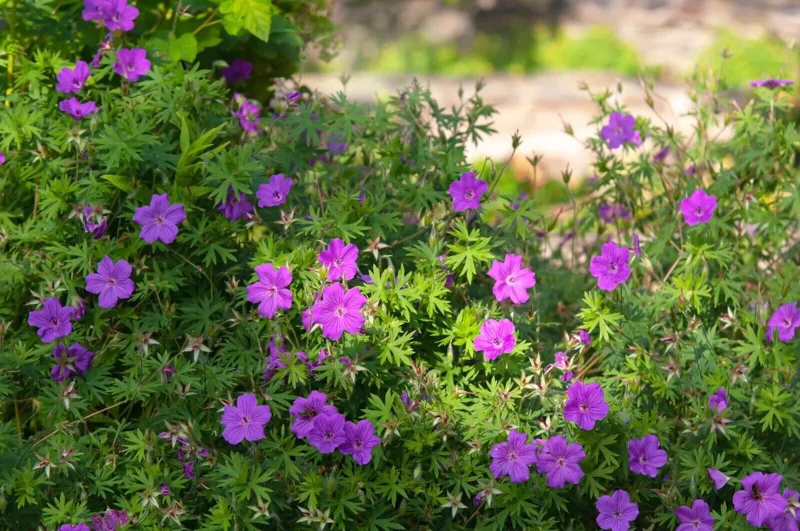
Flower Bulbs
3 Cranesbill Wild Geranium Organic Maculatums Bare Roots | Wildflower for Outdoor Garden
Sold 116 products
Original price was: $21.99.$9.99Current price is: $9.99.
Sold 114 products
Original price was: $28.99.$17.99Current price is: $17.99.
Sold 110 products
Original price was: $63.99.$28.99Current price is: $28.99.
Sold 108 products
Original price was: $28.99.$17.99Current price is: $17.99.RELATED posts
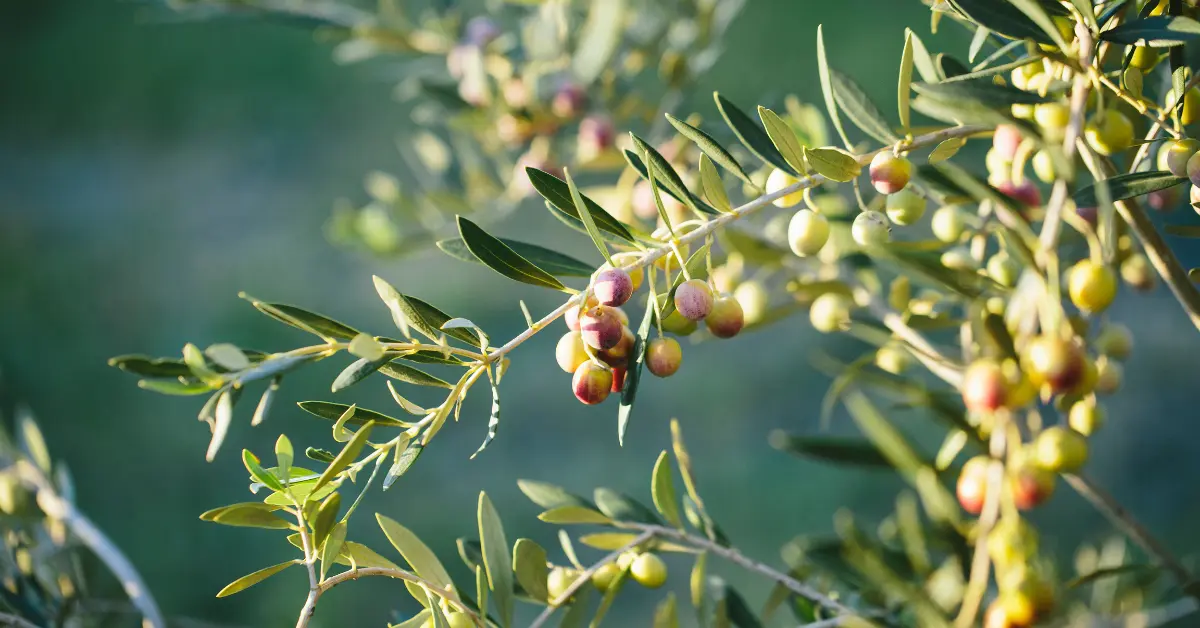
How to Grow Arbequina Olive Trees: The Ultimate Guide to Your Own Olive Grove
Arbequina Olive Tree (Olea europaea ‘Arbequina’) – the ultimate Mediterranean plant that brings a touch [...]
Oct
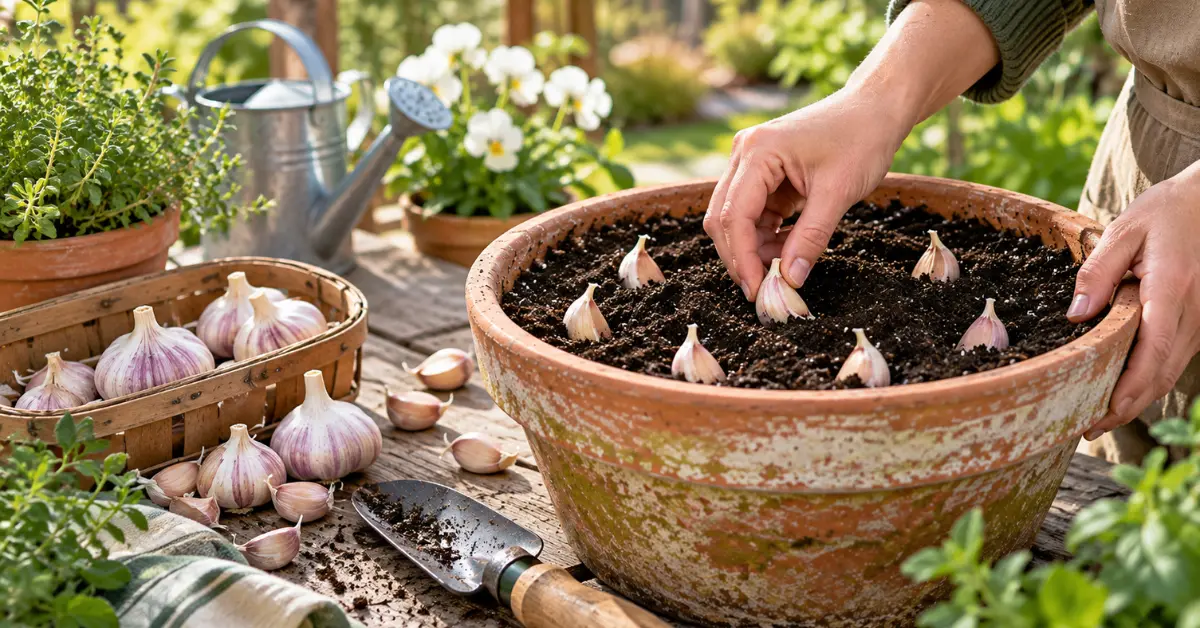
Growing Garlic in Containers This Fall: A Complete Guide for Beginners
If you’ve ever wanted to pop fresh, aromatic garlic cloves straight from your own patio [...]
Sep
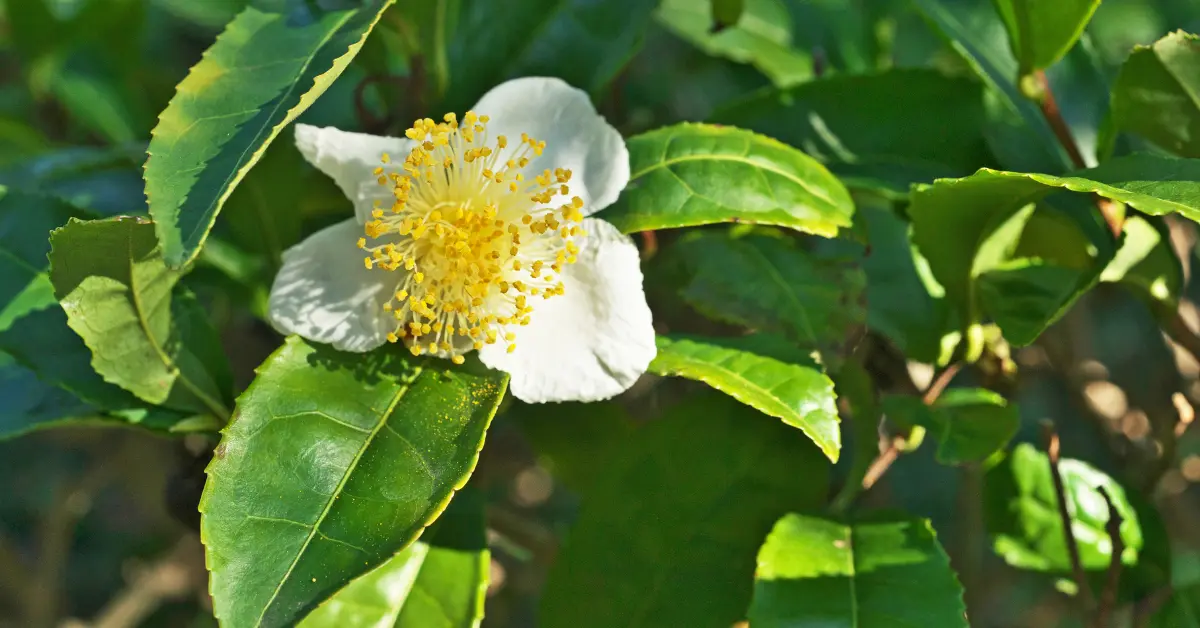
Growing Camellia Sinensis (Tea Plants) in Containers: A Complete Guide for Beginners
If you’ve ever wanted to sip a steaming, homegrown cup of fresh green, black, or [...]
Aug
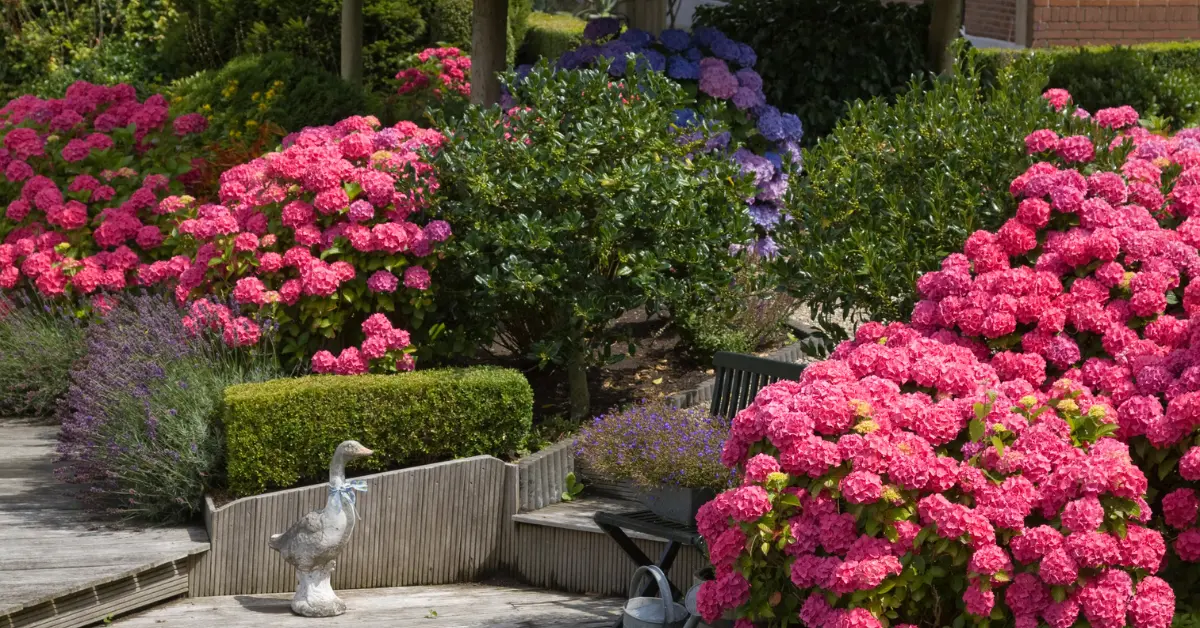
6 Best Shrubs to Plant in August You Must Try
Have you ever walked through a nursery late in the summer, admired the vibrant shrubs [...]
Aug
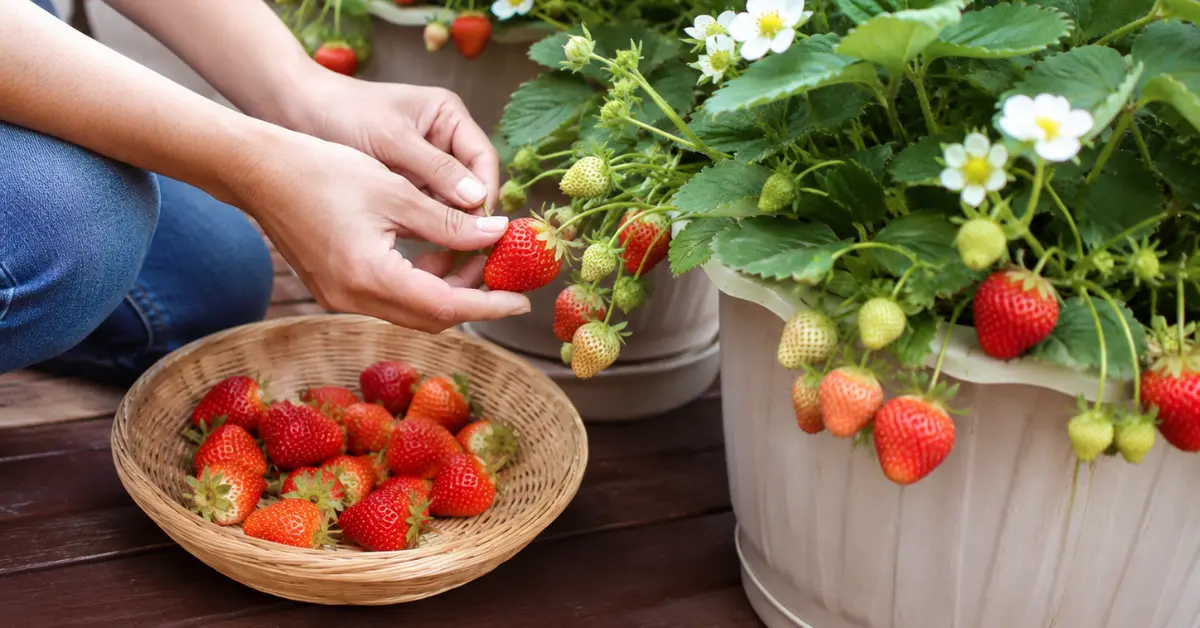
Growing Everbearing Strawberries in Containers: A Complete Guide for Beginners
Want to grow sweet, fresh strawberries but do not have a large garden? Everbearing strawberries [...]
Aug
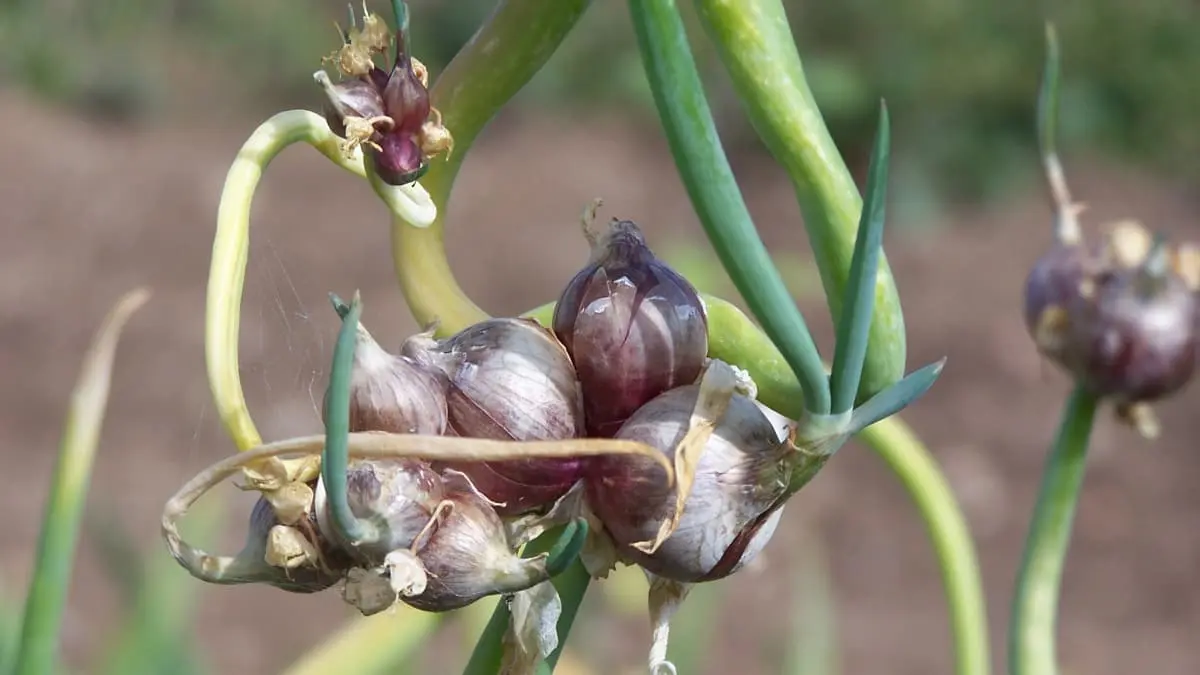
Growing Egyptian Walking Onions in Containers: A Complete Guide for Beginners
If you’re looking for a hardy, no-fuss perennial onion that keeps on giving year after [...]
Jul
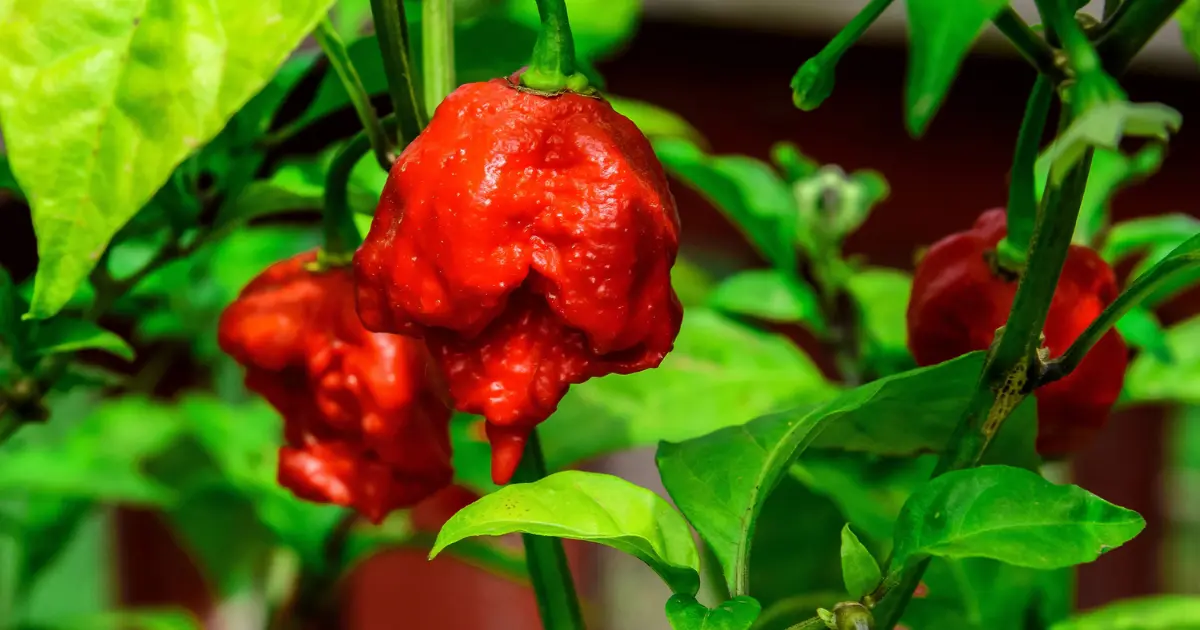
Growing Carolina Reaper Peppers in Pots: A Complete Guide for Beginners
If you’ve ever wanted to add some serious, record-breaking heat to your home cooking, you’ve [...]
May
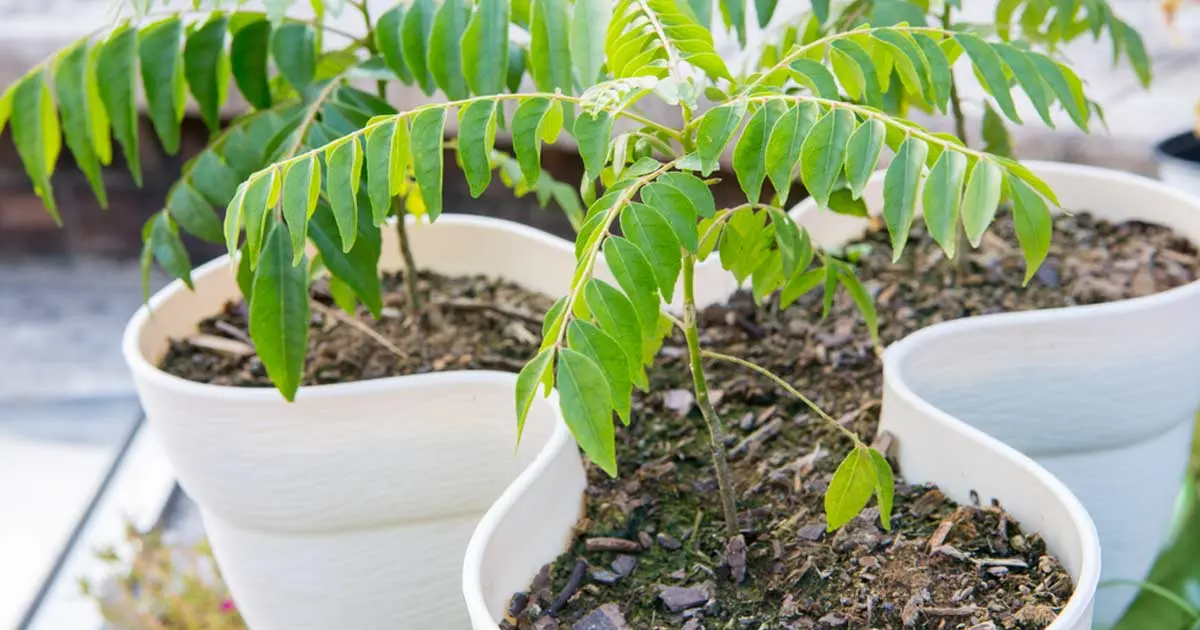
Growing Curry Leaf Plant in Pots: A Complete Guide for Beginners
If you’re a fan of authentic South Asian cuisine, you already know that nothing compares [...]
May


Reviews
There are no reviews yet.