
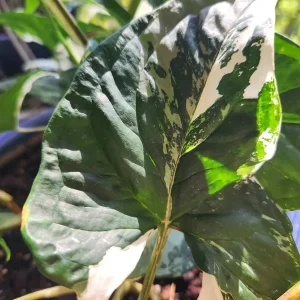
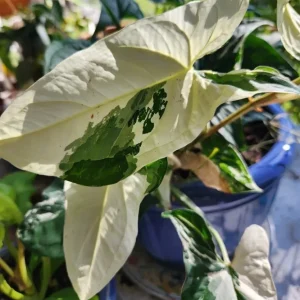
White Knight Syngonium Podophyllum Albo-Variegatum Marble Variegated Live Plant
Original price was: $47.98.$23.99Current price is: $23.99.
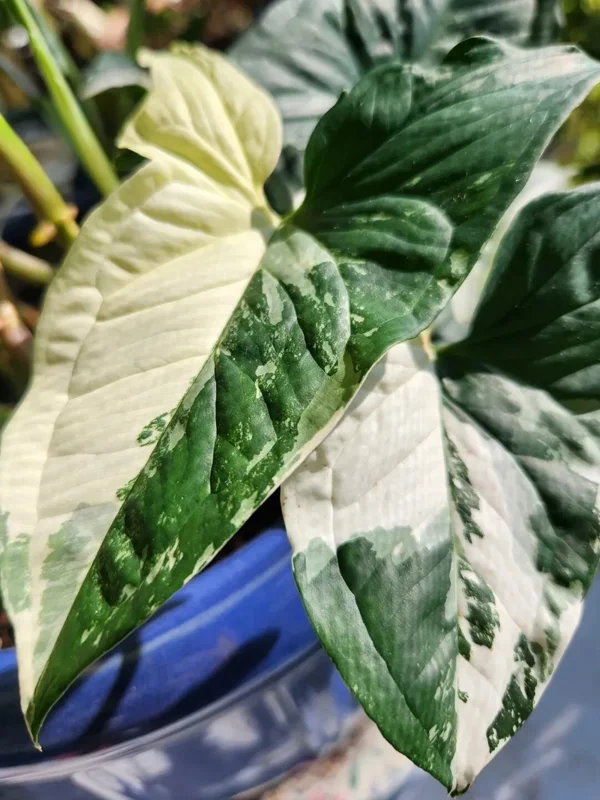
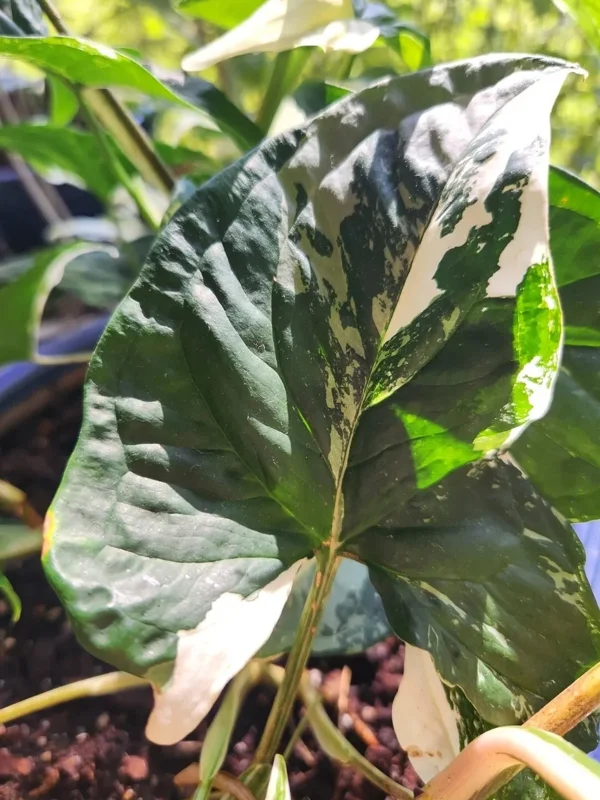
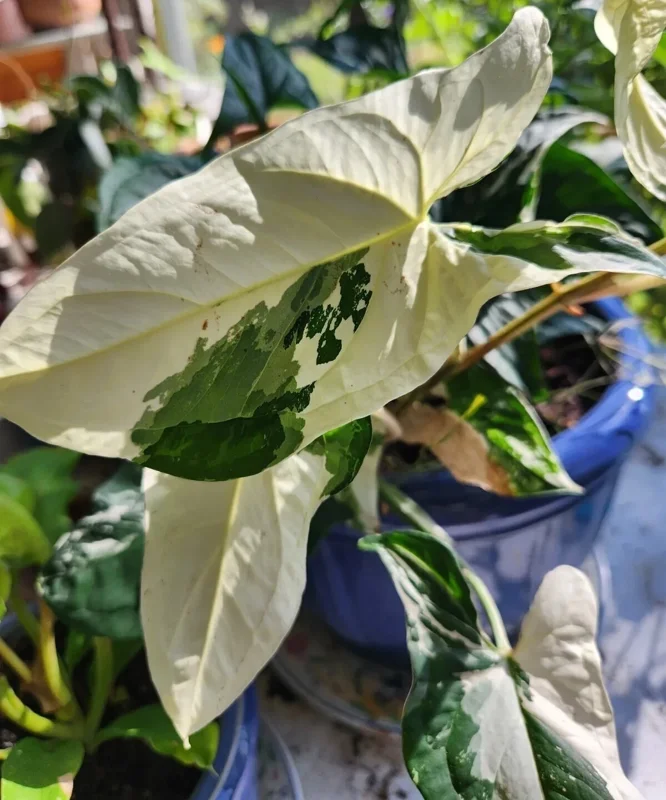
Elevate your indoor plant collection with the exquisite white knight syngonium. This stunning aroid features lush green leaves heavily splashed with crisp white variegation, creating a captivating marble effect. Ideal for bright, indirect light, it’s a relatively easy-care plant perfect for both beginners and experienced plant enthusiasts. Bring home a touch of elegance and natural beauty with this unique specimen.
Estimated arrival
Oct 16
Oct 21 - Oct 23
Oct 26 - Oct 30

Reasonable Price
We offer reasonable price

Support 24/7
Contact us 24 hrs a day

100% Money Back
You've 30 days to Return

Payment Secure
100% secure payment
Overview
Introduce a touch of sophisticated elegance to your indoor jungle with the breathtaking white knight syngonium. This highly sought-after aroid, scientifically known as Syngonium Podophyllum Albo-Variegatum, is renowned for its striking foliage. Each leaf is a unique work of art, displaying a vibrant contrast between deep green and pure white, often appearing in stunning marble-like patterns or large blocks of creamy white. As a live plant, the white knight syngonium is a dynamic addition to any space, growing and evolving to create new, captivating displays of variegation. Originating from the tropical rainforests of Central and South America, this plant thrives in warm, humid conditions, making it an excellent choice for indoor environments. Its vining habit can be beautifully showcased in hanging baskets or trained to climb, adding vertical interest to your decor. Discover the allure of this extraordinary plant and transform your home or office into a lush, vibrant sanctuary.
The syngonium albo variegated is not just a plant; it’s a living sculpture, offering endless visual appeal. Its arrow-shaped leaves emerge in various shades of green, gradually unfurling to reveal their unique white markings. The intensity and distribution of the variegation can vary from leaf to leaf, ensuring that no two plants are exactly alike. This makes each white knight syngonium a truly individual specimen, a collector’s dream, and a conversation starter. Whether you’re a seasoned plant parent or just starting your green journey, this plant offers both beauty and a rewarding growing experience, proving that even easy-care plants can be exceptionally stunning.
Key Benefits
The white knight syngonium offers numerous benefits beyond its undeniable beauty, making it a valuable addition to your home or office. Its elegant appearance and relatively straightforward care routine contribute to a more vibrant and serene living environment.
- Stunning Visual Appeal: The primary draw of the white knight syngonium is its spectacular marble variegation. The stark contrast between the deep green and bright white on its arrow-shaped leaves creates a sophisticated and eye-catching display that instantly elevates any room’s aesthetic. Each leaf is unique, offering a continuous visual delight.
- Air Purification Qualities: Like many houseplants, this syngonium albo variegated contributes to healthier indoor air by helping to filter out common toxins. While not as potent as some, it still aids in creating a fresher, cleaner breathing environment within your home.
- Versatile Decor Element: Its vining nature allows for diverse display options. You can let it trail gracefully from a shelf, hang it in a basket, or provide a moss pole for it to climb, adding vertical interest and lushness to your decor. This adaptability makes it suitable for various interior design styles.
- Relatively Easy Care: Despite its exotic appearance, the white knight syngonium is surprisingly forgiving. It tolerates a range of indoor conditions and is not overly demanding, making it a great choice for those who appreciate rare plants but prefer a less intensive care routine. Its resilience makes it a rewarding plant for new and experienced growers alike.
- Unique Collector’s Item: For plant enthusiasts, the rare syngonium plant offers a unique opportunity to add a distinctive and highly sought-after specimen to their collection. Its consistent and beautiful variegation sets it apart from other Syngonium varieties, ensuring it remains a prized possession.
- Promotes Well-being: Surrounding yourself with plants, especially beautiful ones like this marble variegated plant, has been shown to reduce stress, improve mood, and increase overall feelings of well-being. Its serene presence can create a calming atmosphere in any space.
Plant Care & Growing Tips
Caring for your white knight syngonium is a rewarding experience, as this plant is relatively forgiving and will flourish with consistent attention to its basic needs. Providing the right environment will ensure its stunning variegation remains vibrant and its growth is robust. One of the most crucial aspects of indoor syngonium care is light. This plant thrives in bright, indirect light. Place it near an east or west-facing window where it can receive plenty of ambient light without direct sun exposure, which can scorch its delicate variegated leaves. If your home lacks sufficient natural light, a grow light can be a beneficial supplement, ensuring the plant maintains its striking patterns.
When it comes to watering, consistency is key for your white knight syngonium. Allow the top 1-2 inches of soil to dry out between waterings. Overwatering can lead to root rot, a common issue for many houseplants, so err on the side of underwatering rather than overwatering. Use a well-draining potting mix that retains some moisture but doesn’t become waterlogged. A mix formulated for aroids or a blend of potting soil, perlite, and orchid bark usually works well. As a tropical plant, it appreciates high humidity. You can increase humidity around your plant by using a pebble tray, a humidifier, or by grouping it with other plants. Fertilize every 2-4 weeks during the growing season (spring and summer) with a balanced liquid fertilizer diluted to half strength. Reduce or stop fertilizing during the dormant winter months.
Temperature is another important factor for optimal growth of your rare syngonium plant. Maintain indoor temperatures between 65-80°F (18-27°C) and avoid sudden temperature fluctuations or cold drafts. The white knight syngonium is generally not prone to many pests, but keep an eye out for common houseplant pests like spider mites, mealybugs, and thrips. Inspect your plant regularly and treat any infestations promptly with insecticidal soap or neem oil. Pruning can help maintain a bushy shape and encourage new growth, especially if you want to control its vining habit. You can trim back any leggy stems just above a node. With consistent care, your marble variegated plant will continue to be a showstopper for years to come.
Size & Details
The white knight syngonium is typically shipped as a young, actively growing plant, ready to thrive in its new environment. The exact size will vary depending on the specific plant, but it generally arrives in a nursery pot, with foliage ranging from 4 to 8 inches in height. As a vining plant, its growth habit allows it to reach impressive lengths if allowed to trail or climb. When mature and given proper support, stems can grow several feet long, while individual leaves can expand to several inches across. The growth rate is moderate, with new leaves unfurling regularly during the growing season, each one promising a unique display of variegation. It typically ships as a rooted plant in its original growing medium, ensuring a smooth transition to your home. This particular marble variegated plant is known for its stable variegation, meaning the white patterns are generally consistent and do not revert easily.
While the initial size is compact and suitable for a desk or shelf, regular repotting into slightly larger containers will encourage more substantial growth. Expect your white knight syngonium to fill out its space within a year or two, given optimal care. The plant you receive will be a healthy specimen, carefully prepared for shipping to ensure it arrives in the best possible condition. The leaves will showcase the characteristic green and white patterns, making it an instant focal point in your collection. Always inspect your plant upon arrival and allow it a few days to acclimate to its new surroundings before repotting or making significant changes to its care routine.
Frequently Asked Questions
- Q: How big does this plant get? A: The white knight syngonium is a vining plant. Its stems can grow several feet long if left to trail or climb. Individual leaves typically reach 4-8 inches in length, and the overall plant size depends on pruning and growing conditions.
- Q: What size pot does it come in? A: The plant typically arrives in a standard nursery pot, usually around 2-4 inches in diameter, suitable for its current size and root system. It will need repotting into a slightly larger pot as it grows.
- Q: Is this an indoor or outdoor plant? A: The white knight syngonium is primarily an indoor houseplant in most climates. It thrives in warm, humid indoor environments and is not frost-tolerant. It can be grown outdoors in USDA zones 10-12, but only in shaded, protected areas.
- Q: How much sunlight does it need? A: This syngonium albo variegated prefers bright, indirect light. Direct sunlight can scorch its leaves, especially the white variegated parts. An east or west-facing window is ideal, or a spot a few feet away from a south-facing window.
- Q: Is this plant easy to care for? A: Yes, the white knight syngonium is considered relatively easy to care for, making it suitable for both beginners and experienced plant enthusiasts. Consistent watering and adequate light are the main requirements for successful indoor syngonium care.
- Q: What condition will it arrive in? A: Your rare syngonium plant will be carefully packaged and shipped as a healthy, live plant, typically rooted in its nursery pot with soil. We take measures to ensure it arrives in the best possible condition, though some minor leaf stress from transit is normal.
- Q: Is it pet-safe? A: No, like many Araceae family members, the white knight syngonium is toxic if ingested by pets or humans due to calcium oxalate crystals. Keep it out of reach of children and pets.
- Q: When is the best time to repot this plant? A: The best time to repot your marble variegated plant is in spring or early summer when it is actively growing. Repot when you see roots growing out of the drainage holes or if the plant becomes root-bound.
- Q: What kind of soil is best for it? A: A well-draining, airy potting mix is essential. A blend of regular potting soil with added perlite, orchid bark, and perhaps some coco coir provides the ideal balance of moisture retention and drainage for healthy root growth.
- Q: How often should I fertilize my white knight syngonium? A: Fertilize every 2-4 weeks during the active growing season (spring and summer) with a balanced liquid fertilizer diluted to half strength. Reduce or stop fertilizing during the fall and winter months.
Be the first to review “White Knight Syngonium Podophyllum Albo-Variegatum Marble Variegated Live Plant”
-
USDA Hardiness Zone
USDA zones 10-12 (outdoors), suitable for all indoor zones -
Soil Type
Well-draining, airy potting mix (aroid mix) -
Sunlight Exposure
Bright indirect light -
Expected Planting Period
Year-round indoors
People Also Viewd


Sold 134 products
Original price was: $3,536.00.$23.99Current price is: $23.99.

Sold 132 products
Original price was: $27.00.$24.00Current price is: $24.00.

Sold 132 products
Original price was: $89.99.$64.99Current price is: $64.99.

Sold 125 products
Original price was: $86.99.$66.99Current price is: $66.99.

Flower Bulbs
3 Cranesbill Wild Geranium Organic Maculatums Bare Roots | Wildflower for Outdoor Garden
Sold 116 products
Original price was: $21.99.$9.99Current price is: $9.99.

Sold 114 products
Original price was: $28.99.$17.99Current price is: $17.99.
Sold 110 products
Original price was: $63.99.$28.99Current price is: $28.99.
Sold 108 products
Original price was: $28.99.$17.99Current price is: $17.99.RELATED posts
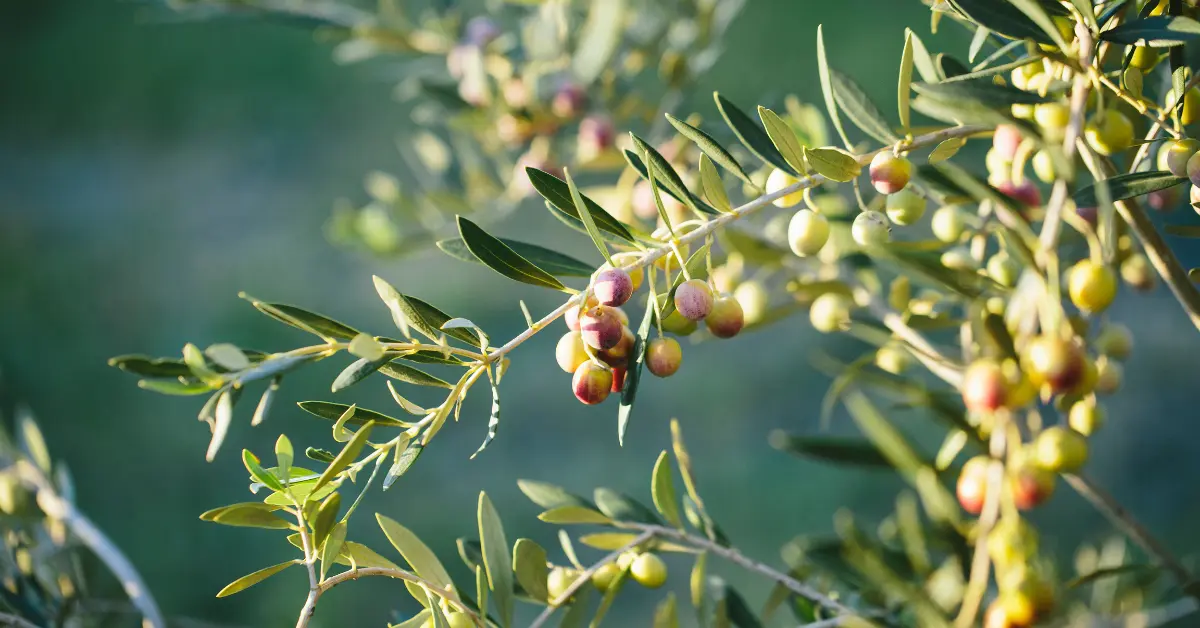
How to Grow Arbequina Olive Trees: The Ultimate Guide to Your Own Olive Grove
Arbequina Olive Tree (Olea europaea ‘Arbequina’) – the ultimate Mediterranean plant that brings a touch [...]
Oct
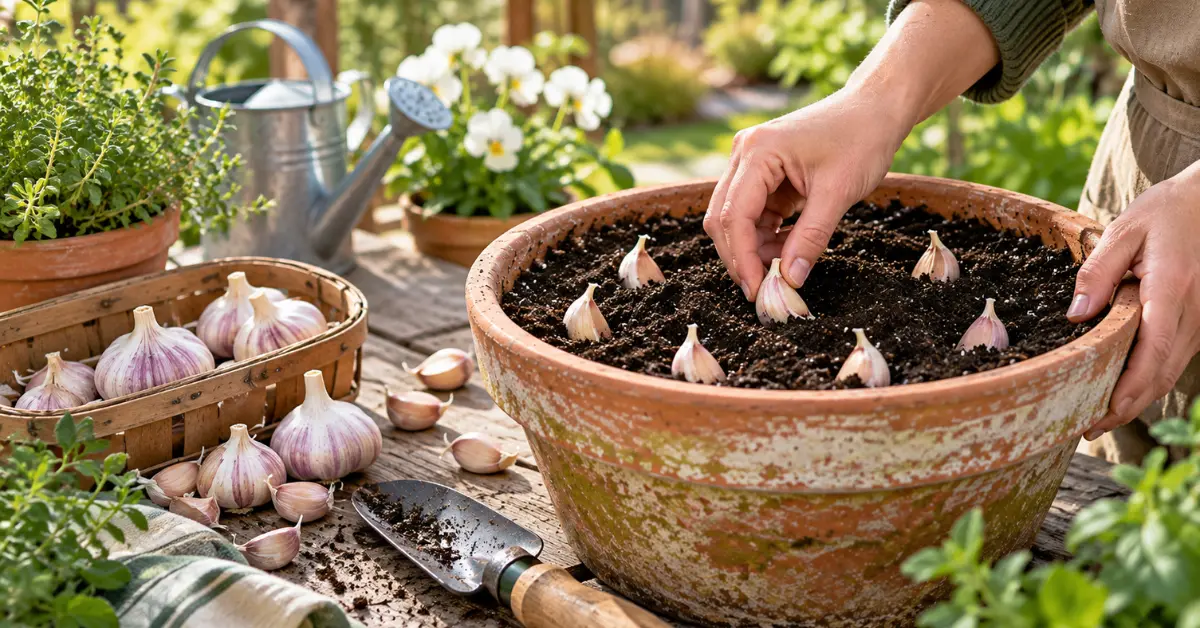
Growing Garlic in Containers This Fall: A Complete Guide for Beginners
If you’ve ever wanted to pop fresh, aromatic garlic cloves straight from your own patio [...]
Sep
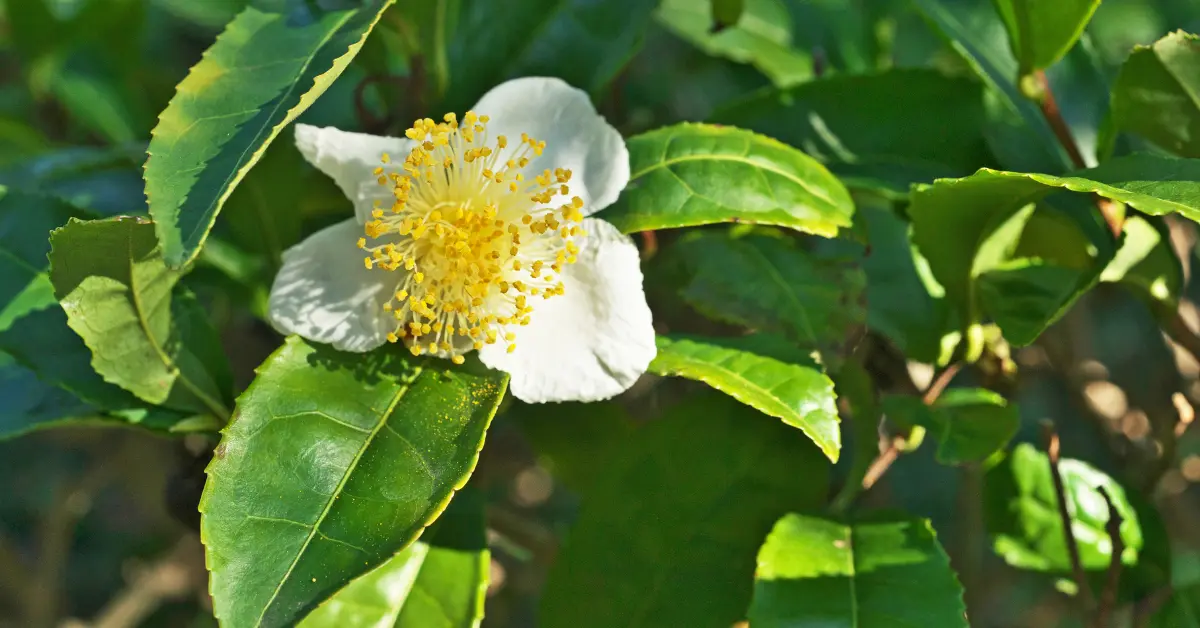
Growing Camellia Sinensis (Tea Plants) in Containers: A Complete Guide for Beginners
If you’ve ever wanted to sip a steaming, homegrown cup of fresh green, black, or [...]
Aug
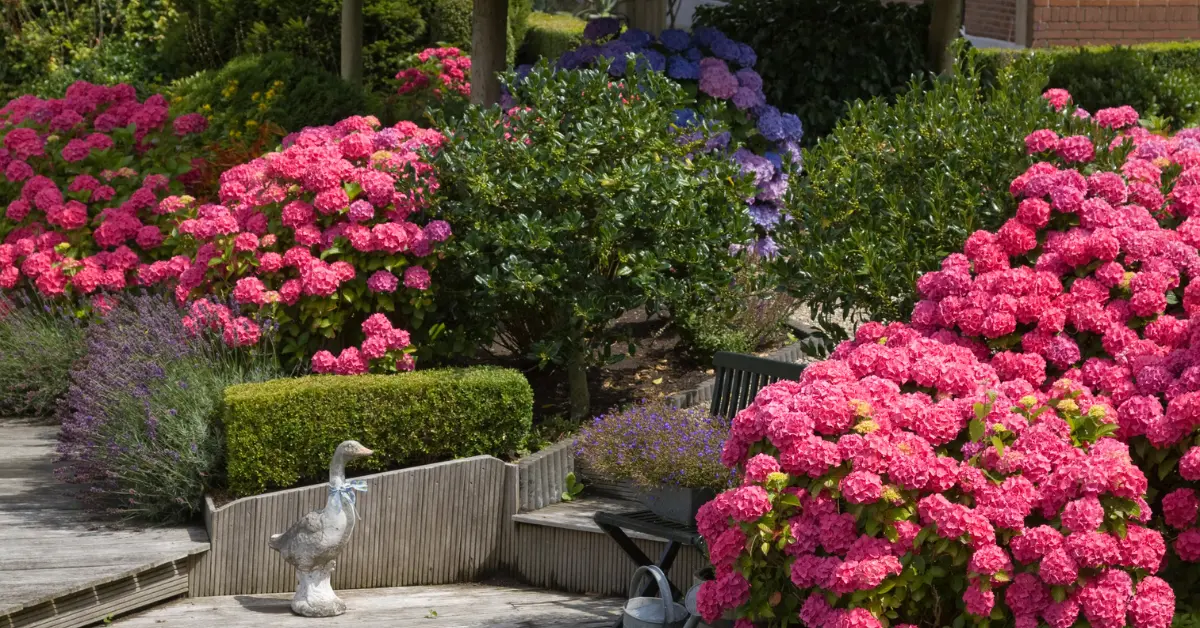
6 Best Shrubs to Plant in August You Must Try
Have you ever walked through a nursery late in the summer, admired the vibrant shrubs [...]
Aug

Growing Everbearing Strawberries in Containers: A Complete Guide for Beginners
Want to grow sweet, fresh strawberries but do not have a large garden? Everbearing strawberries [...]
Aug
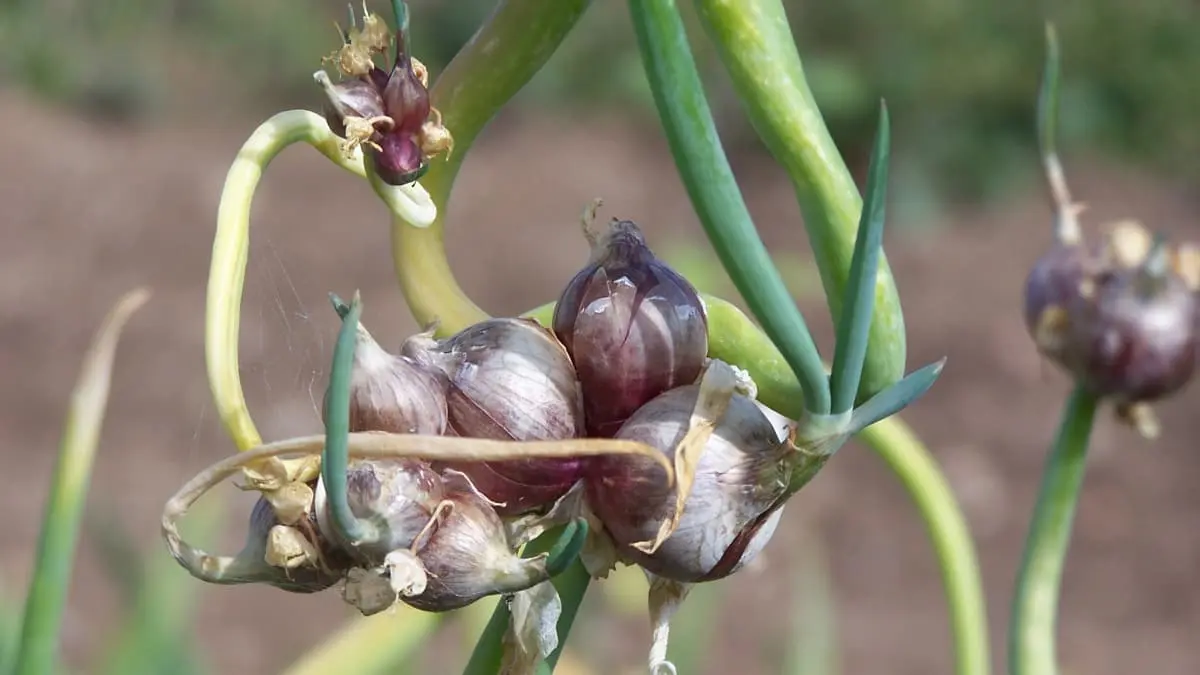
Growing Egyptian Walking Onions in Containers: A Complete Guide for Beginners
If you’re looking for a hardy, no-fuss perennial onion that keeps on giving year after [...]
Jul
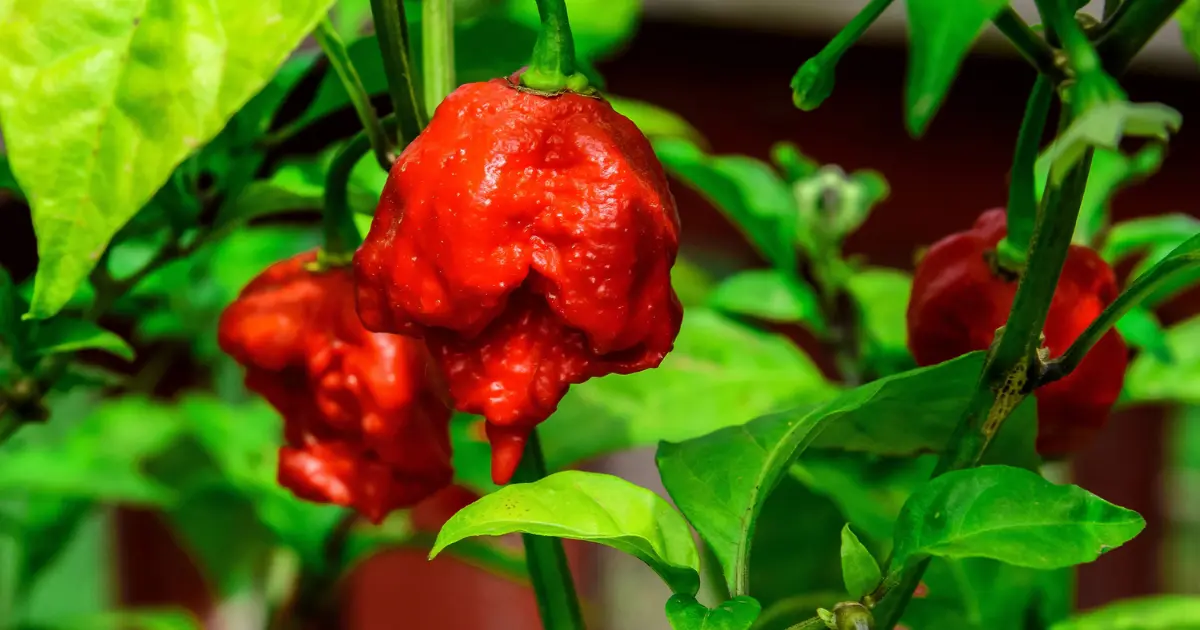
Growing Carolina Reaper Peppers in Pots: A Complete Guide for Beginners
If you’ve ever wanted to add some serious, record-breaking heat to your home cooking, you’ve [...]
May
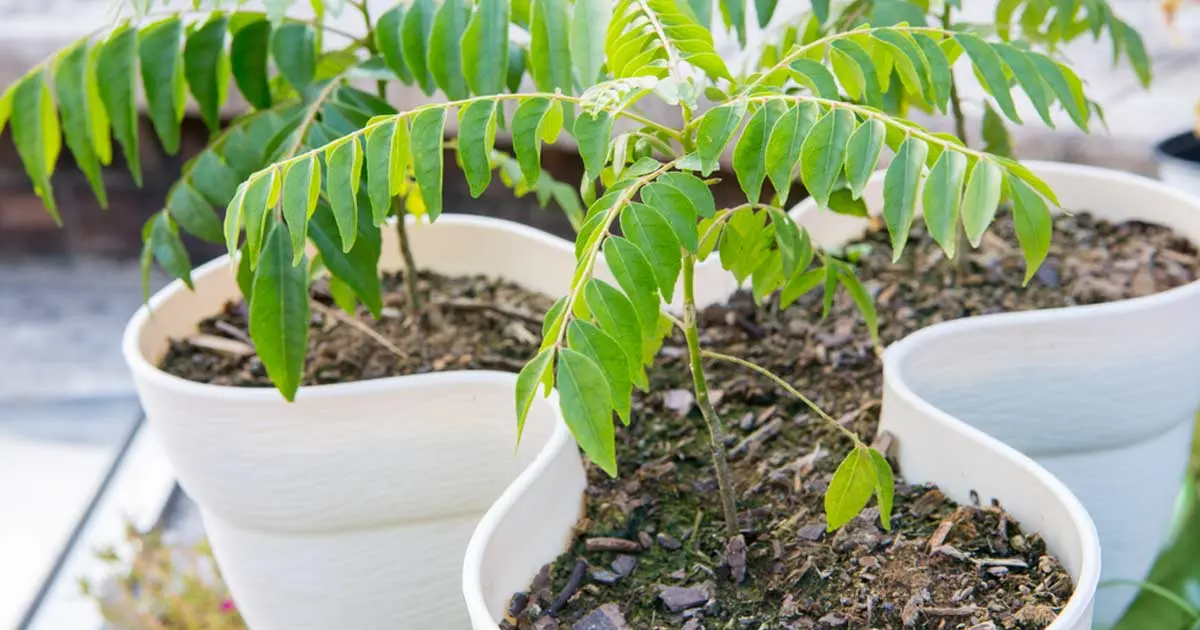
Growing Curry Leaf Plant in Pots: A Complete Guide for Beginners
If you’re a fan of authentic South Asian cuisine, you already know that nothing compares [...]
May


Reviews
There are no reviews yet.