
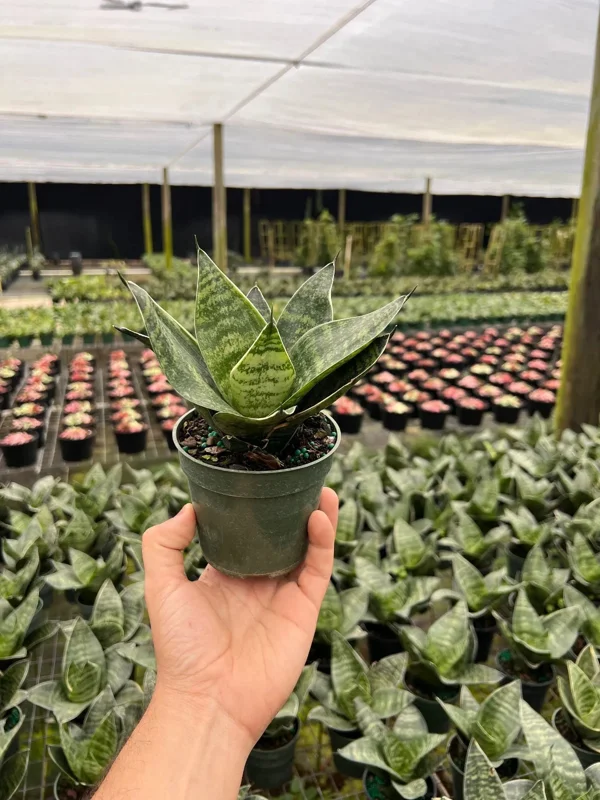
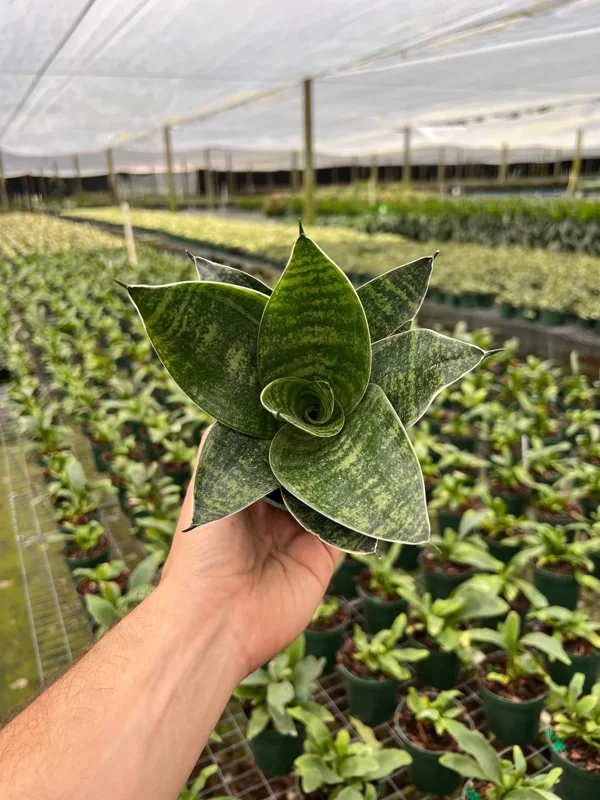
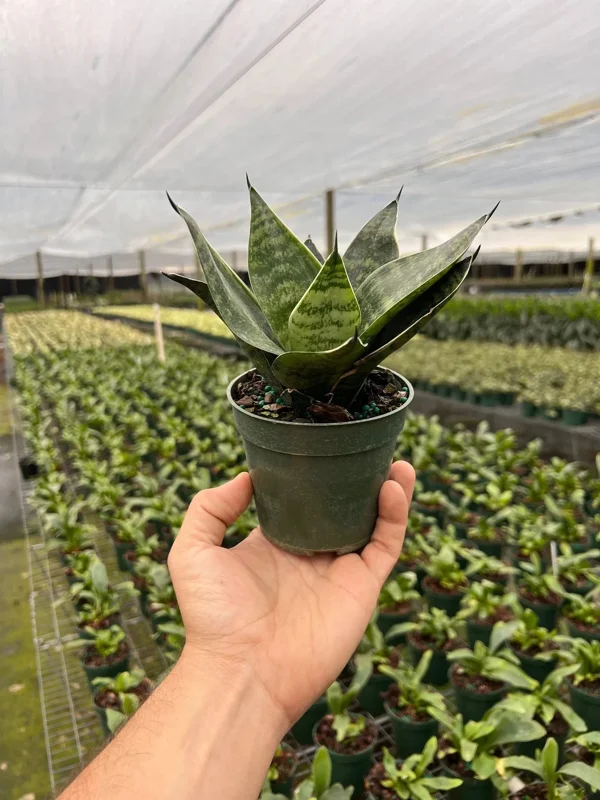
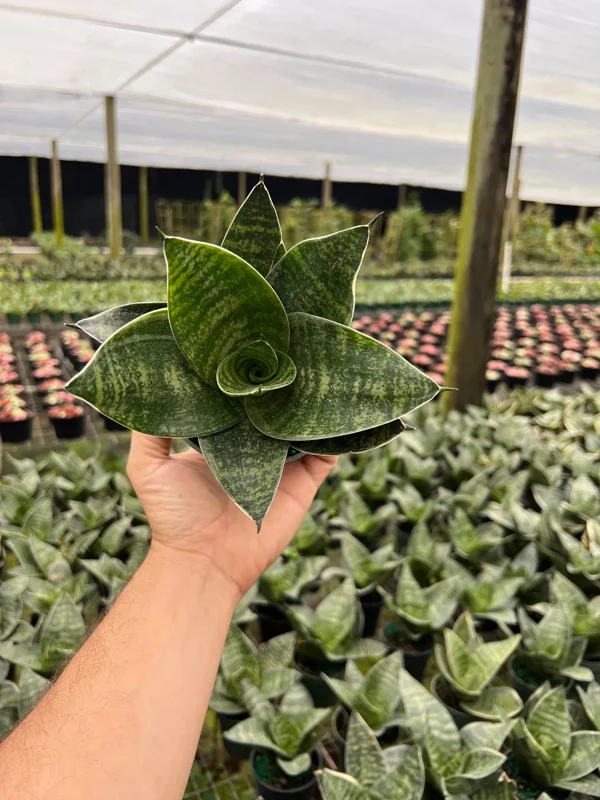
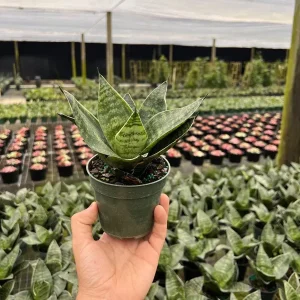
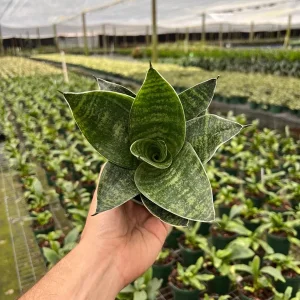
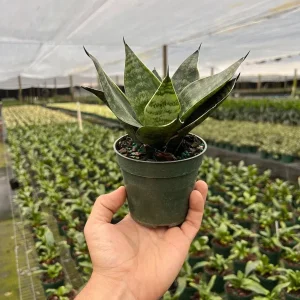
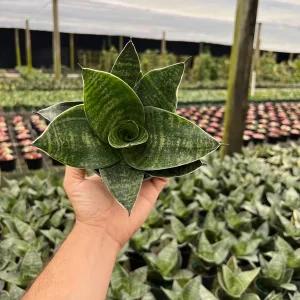
Hahnii Green Sansevieria Live Plant – Bird’s Nest Snake Plant in 4 inch Pot – Indoor Houseplant
Original price was: $39.99.$19.99Current price is: $19.99.
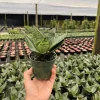
Bring home a beautiful hahnii green sansevieria, also known as the bird’s nest snake plant. This compact, low-maintenance indoor snake plant care is perfect for desks, shelves, and small spaces, offering air-purifying benefits and unique architectural appeal. Arrives in a 4 inch pot, ready to thrive.
Estimated arrival
Oct 12
Oct 17 - Oct 19
Oct 22 - Oct 26

Reasonable Price
We offer reasonable price

Support 24/7
Contact us 24 hrs a day

100% Money Back
You've 30 days to Return

Payment Secure
100% secure payment
Overview
The hahnii green sansevieria, often lovingly referred to as the bird’s nest snake plant, is a captivating and resilient live houseplant that brings a touch of natural elegance to any indoor setting. Unlike its taller relatives, this particular Sansevieria trifasciata variety grows in a compact, rosette form, resembling a bird’s nest – hence its charming common name. Known for its striking dark green leaves with subtle lighter banding, the Hahnii is a favorite among plant enthusiasts, from beginners to seasoned collectors. Its robust nature and minimal care requirements make it an ideal choice for adding greenery to your home or office. This particular specimen comes as a healthy live plant in a 4 inch pot, perfectly sized for immediate display on a desk, shelf, or windowsill.
Key Benefits
The hahnii green sansevieria offers numerous advantages beyond its aesthetic appeal, making it a highly desirable addition to any living space. Its unique growth habit and strong resilience contribute to a healthier and more beautiful environment.
-
Exceptional Air Purification
The bird’s nest snake plant is renowned for its ability to filter indoor air. It effectively removes toxins such as formaldehyde, benzene, and trichloroethylene, contributing to a cleaner and healthier home environment. This makes it a fantastic choice for bedrooms and offices.
-
Low Maintenance & Drought Tolerant
This plant is incredibly forgiving, making it perfect for those new to plant care or with busy schedules. It thrives on neglect, requiring infrequent watering and tolerating a wide range of light conditions, which simplifies indoor snake plant care significantly.
-
Compact & Space-Saving
Its small, rosette-like growth habit ensures it doesn’t take up much space. This makes the sansevieria hahnii an excellent choice for small apartments, tight corners, desks, and shelves where larger plants might not fit.
-
Unique Architectural Appeal
The distinct shape and upright, stiff leaves of the Hahnii Green Sansevieria add a modern and sculptural element to interior decor. Its deep green foliage provides a calming presence and complements various design styles.
-
Pet-Friendly (with caution)
While generally considered mildly toxic if ingested, its tough leaves make it less appealing to pets than other plants. It’s an attractive option for pet owners who want to add greenery, but it’s always best to keep plants out of reach of curious animals.
-
Resilient & Long-Lived
With proper, albeit minimal, care, the hahnii green sansevieria can live for many years, becoming a long-term fixture in your plant collection. Its hardiness ensures it can withstand occasional lapses in care.
Plant Care & Growing Tips
Caring for your hahnii green sansevieria is remarkably straightforward, earning it a reputation as one of the easiest houseplants to maintain. This section will guide you through the essential aspects of indoor snake plant care to ensure your plant thrives for years to come.
Sunlight Requirements
The bird’s nest snake plant is highly adaptable to various light conditions. It prefers bright, indirect light but can tolerate low light environments, making it suitable for almost any room. Avoid direct, harsh sunlight, which can scorch its leaves. A spot near a window with filtered light or a north-facing window is ideal. Even in dimly lit corners, it will survive, though its growth may be slower.
Watering Schedule & Soil Moisture
Overwatering is the most common cause of problems for Sansevierias. Allow the soil to dry out completely between waterings. In warmer months, this might mean watering every 2-4 weeks, while in winter, it could be as infrequent as once a month or even longer. Always check the soil moisture by sticking your finger about an inch or two into the soil. If it feels dry, it’s time to water. Ensure any excess water drains away to prevent root rot.
Soil Type & Drainage
A well-draining potting mix is crucial for the health of your sansevieria hahnii. A standard succulent or cactus mix works perfectly. You can also create your own by mixing regular potting soil with perlite or pumice to enhance drainage. The pot must have drainage holes to prevent water from sitting at the bottom, which leads to root rot.
Temperature & Humidity
This plant thrives in average room temperatures, ideally between 65-80°F (18-27°C). It is not tolerant of cold temperatures and should be protected from drafts and temperatures below 50°F (10°C). Average household humidity is perfectly fine; it does not require high humidity, making it an excellent choice for most homes.
Fertilization
The compact houseplant does not require frequent fertilization. Feed it once or twice during the growing season (spring and summer) with a balanced liquid houseplant fertilizer diluted to half strength. Avoid fertilizing in fall and winter when the plant’s growth slows down.
Pest & Disease Management
Sansevierias are generally pest-resistant. Occasionally, mealybugs or spider mites might appear, especially if the plant is stressed. Inspect your plant regularly and treat any infestations promptly with insecticidal soap or neem oil. Root rot, caused by overwatering, is the most common disease. Ensure proper drainage and watering practices to prevent this.
Size & Details
This offering features a healthy hahnii green sansevieria, a delightful compact houseplant, delivered as a live plant in a 4 inch nursery pot. At this size, the plant typically stands about 4-6 inches tall from the top of the soil, with a spread of 4-6 inches, perfectly showcasing its distinctive bird’s nest rosette form. It is a slow-growing variety, making it easy to manage and ensuring it retains its charming, diminutive stature for an extended period. The plant will arrive well-rooted in its pot, securely packaged to ensure its safe journey to your home. With minimal care, it will continue to slowly expand, eventually producing small offsets that can be propagated. Its mature size typically reaches about 6-8 inches in height and width, making it a permanent fixture for smaller spaces.
Frequently Asked Questions
-
Q: How big does this hahnii green sansevieria get?
A: The Hahnii Green Sansevieria is a dwarf variety, typically reaching a mature size of about 6-8 inches in height and width, making it a perfect compact houseplant for small spaces. -
Q: What size pot does it come in?
A: This bird’s nest snake plant is shipped as a live plant in a 4 inch diameter nursery pot, ready for display or repotting into a slightly larger decorative container. -
Q: Is this an indoor or outdoor plant?
A: The hahnii green sansevieria is primarily an indoor houseplant, thriving in average household temperatures. It can be placed outdoors in warm, shaded areas during summer but must be brought indoors before temperatures drop below 50°F (10°C). -
Q: How much sunlight does it need?
A: It prefers bright, indirect light but is highly tolerant of low light conditions. Avoid direct, intense sunlight which can burn its leaves. It’s known for its adaptability in various lighting. -
Q: Is this plant easy to care for?
A: Yes, it is considered one of the easiest plants to care for, making it ideal for beginners. Its low watering needs and tolerance for varied light conditions contribute to its reputation for minimal indoor snake plant care. -
Q: What condition will the plant arrive in?
A: Your plant will arrive healthy and well-packaged in its 4 inch nursery pot, securely nestled to prevent damage during transit. It will be ready to display upon arrival. -
Q: How often should I water my sansevieria hahnii?
A: Water only when the soil is completely dry, typically every 2-4 weeks in warmer months and even less frequently in winter. Overwatering is the biggest risk, so always check the soil first. -
Q: Is this plant pet-safe?
A: Sansevieria species are considered mildly toxic if ingested. While its tough leaves might deter pets, it’s always best to keep the plant out of reach of curious animals to ensure their safety. -
Q: Does it purify the air?
A: Yes, the bird’s nest snake plant is well-known for its air-purifying qualities, effectively removing common household toxins and improving indoor air quality. -
Q: When is the best time to repot this plant?
A: Repotting is rarely needed due to its slow growth. When necessary, do so in spring or early summer, moving it to a pot only slightly larger than its current one, ensuring good drainage.
Be the first to review “Hahnii Green Sansevieria Live Plant – Bird’s Nest Snake Plant in 4 inch Pot – Indoor Houseplant”
-
USDA Hardiness Zone
year-round indoors -
Soil Type
well-draining potting mix (succulent/cactus mix) -
Sunlight Exposure
bright indirect light to low light -
Expected Planting Period
year-round indoors
People Also Viewd


Sold 134 products
Original price was: $3,536.00.$23.99Current price is: $23.99.

Sold 132 products
Original price was: $89.99.$64.99Current price is: $64.99.

Sold 132 products
Original price was: $27.00.$24.00Current price is: $24.00.

Sold 125 products
Original price was: $86.99.$66.99Current price is: $66.99.

Flower Bulbs
3 Cranesbill Wild Geranium Organic Maculatums Bare Roots | Wildflower for Outdoor Garden
Sold 116 products
Original price was: $21.99.$9.99Current price is: $9.99.

Sold 114 products
Original price was: $28.99.$17.99Current price is: $17.99.

Sold 110 products
Original price was: $63.99.$28.99Current price is: $28.99.
Sold 108 products
Original price was: $28.99.$17.99Current price is: $17.99.RELATED posts
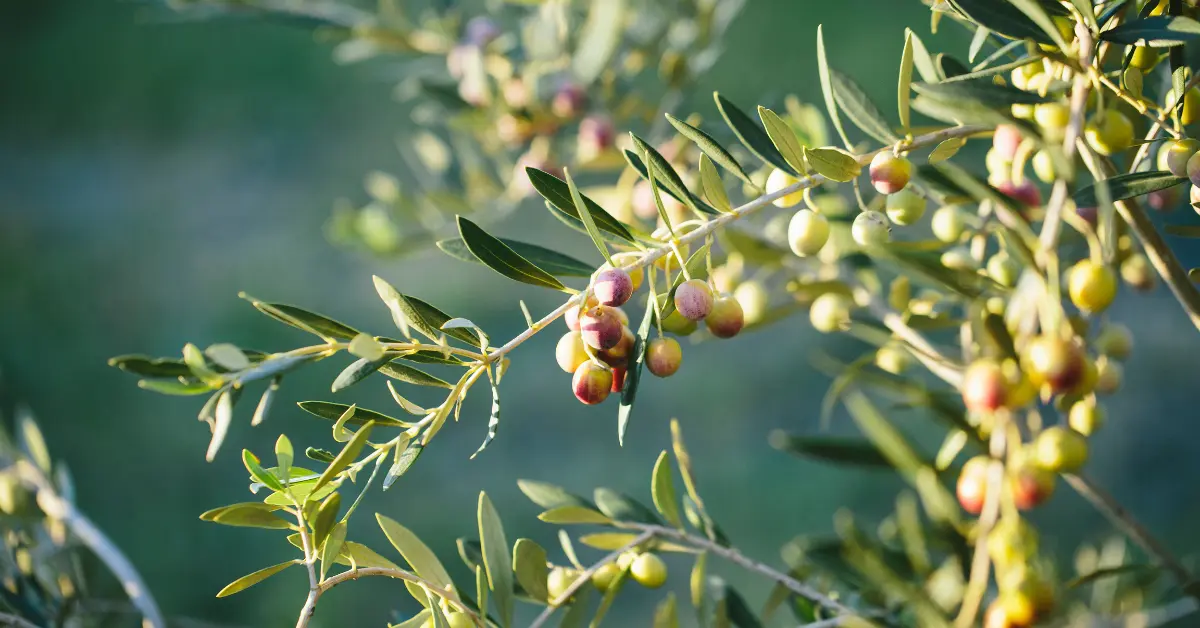
How to Grow Arbequina Olive Trees: The Ultimate Guide to Your Own Olive Grove
Arbequina Olive Tree (Olea europaea ‘Arbequina’) – the ultimate Mediterranean plant that brings a touch [...]
Oct
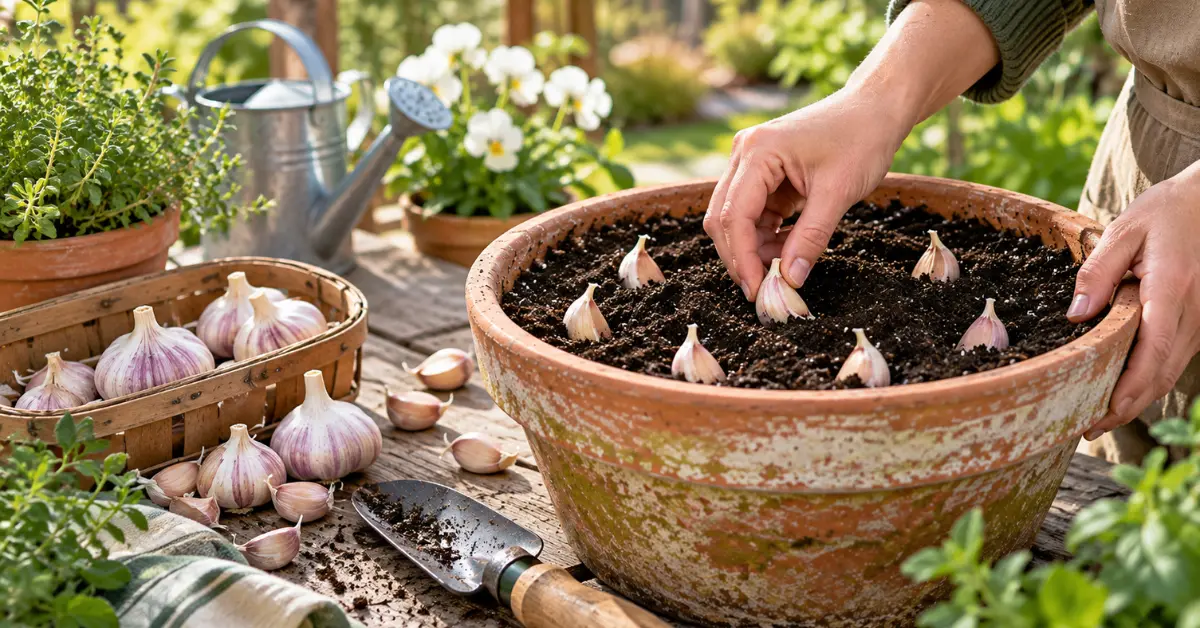
Growing Garlic in Containers This Fall: A Complete Guide for Beginners
If you’ve ever wanted to pop fresh, aromatic garlic cloves straight from your own patio [...]
Sep
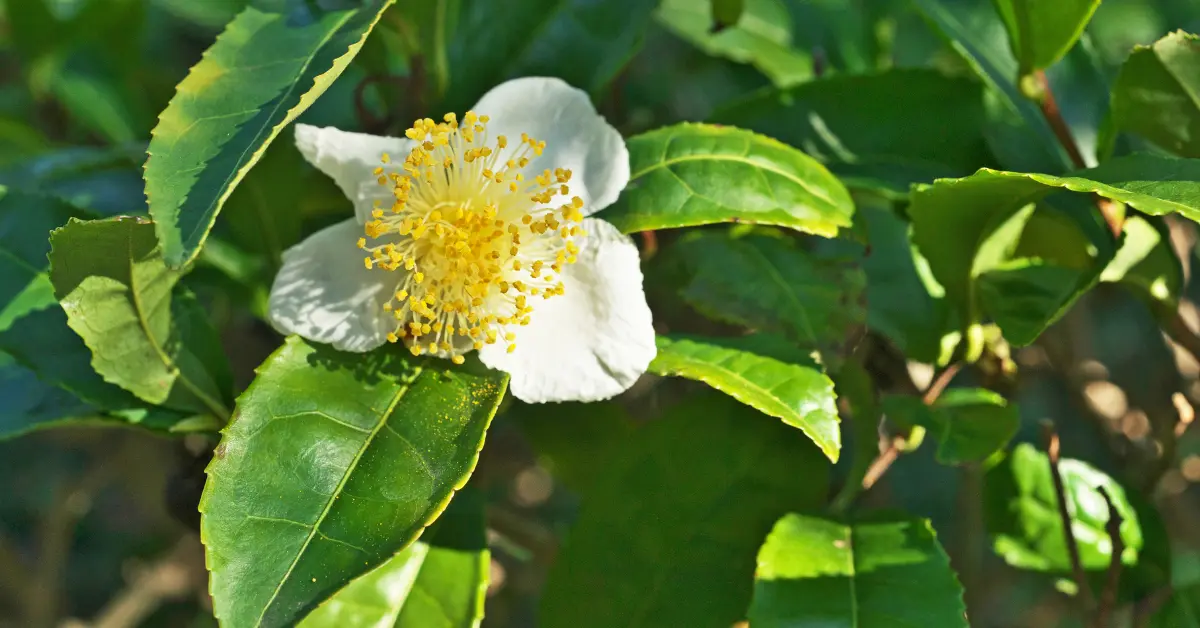
Growing Camellia Sinensis (Tea Plants) in Containers: A Complete Guide for Beginners
If you’ve ever wanted to sip a steaming, homegrown cup of fresh green, black, or [...]
Aug
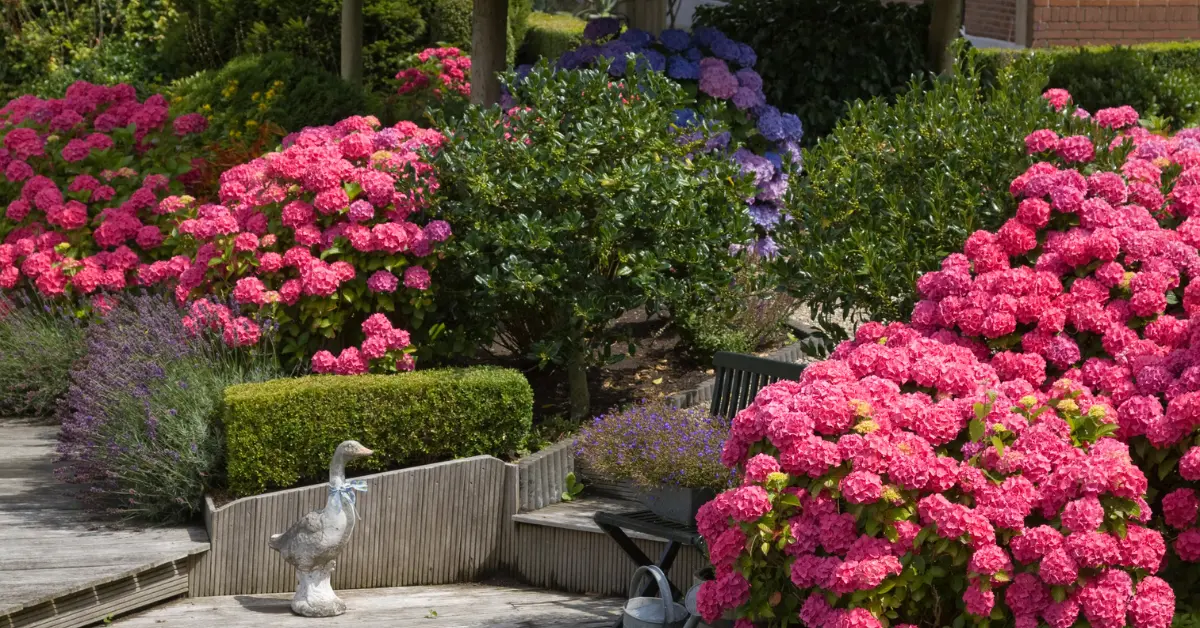
6 Best Shrubs to Plant in August You Must Try
Have you ever walked through a nursery late in the summer, admired the vibrant shrubs [...]
Aug
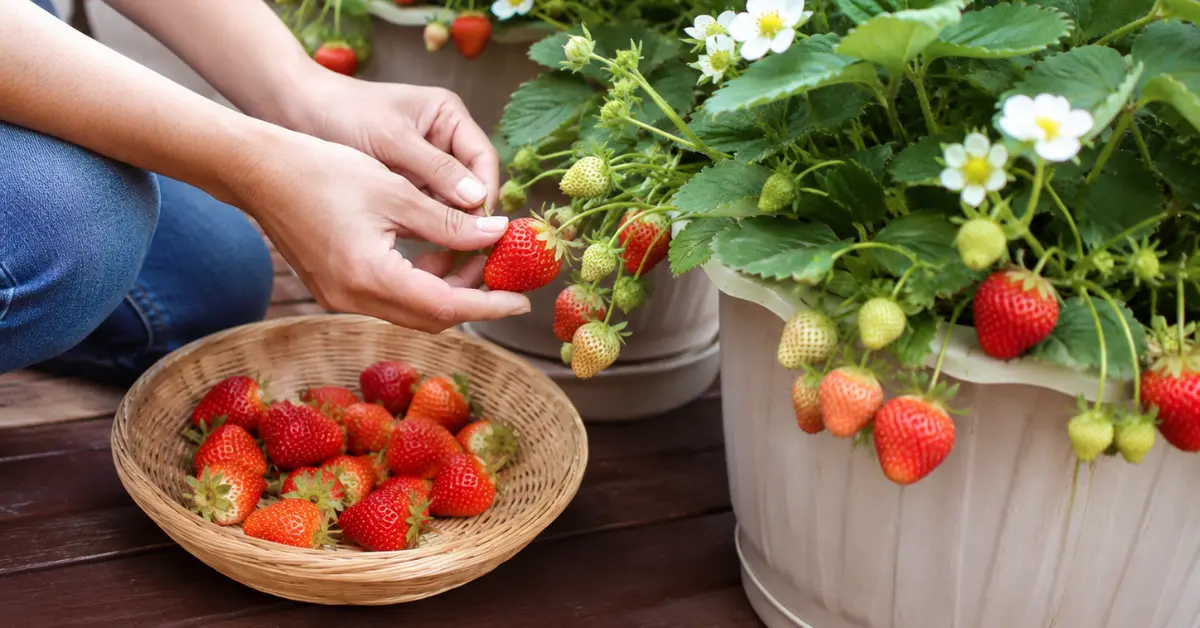
Growing Everbearing Strawberries in Containers: A Complete Guide for Beginners
Want to grow sweet, fresh strawberries but do not have a large garden? Everbearing strawberries [...]
Aug
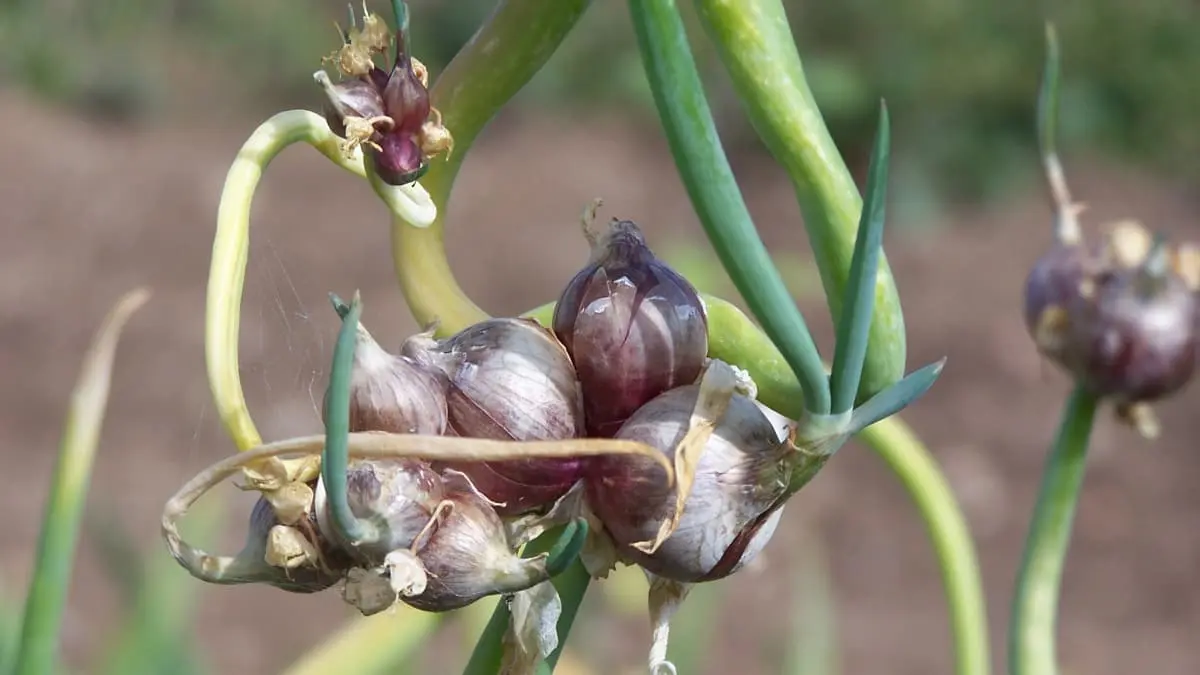
Growing Egyptian Walking Onions in Containers: A Complete Guide for Beginners
If you’re looking for a hardy, no-fuss perennial onion that keeps on giving year after [...]
Jul
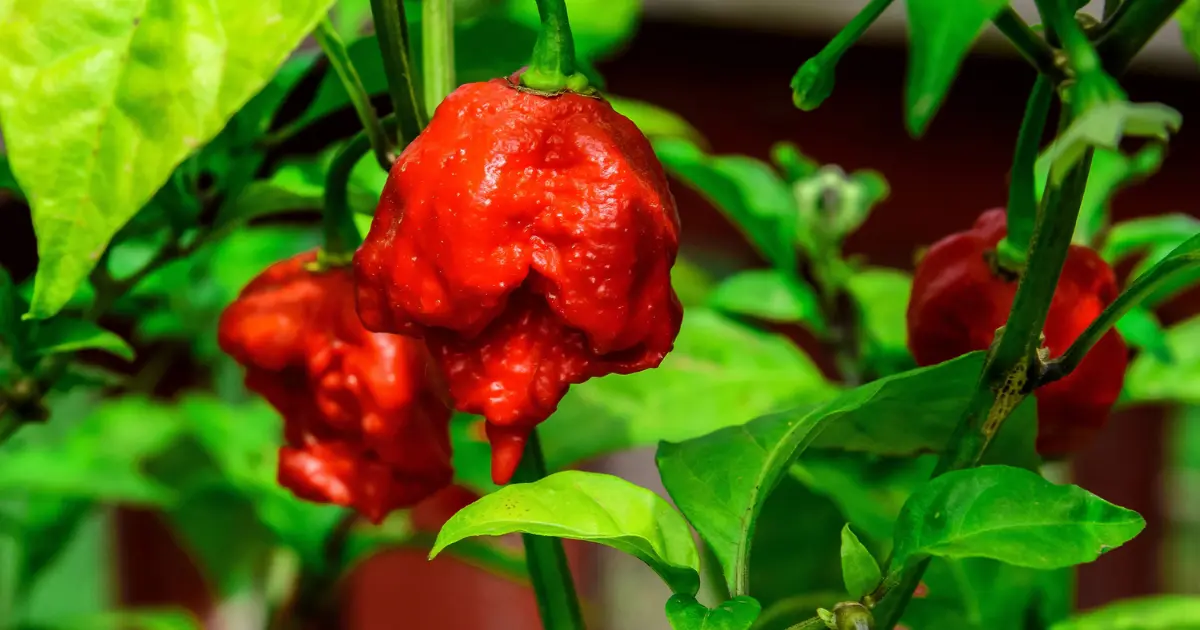
Growing Carolina Reaper Peppers in Pots: A Complete Guide for Beginners
If you’ve ever wanted to add some serious, record-breaking heat to your home cooking, you’ve [...]
May
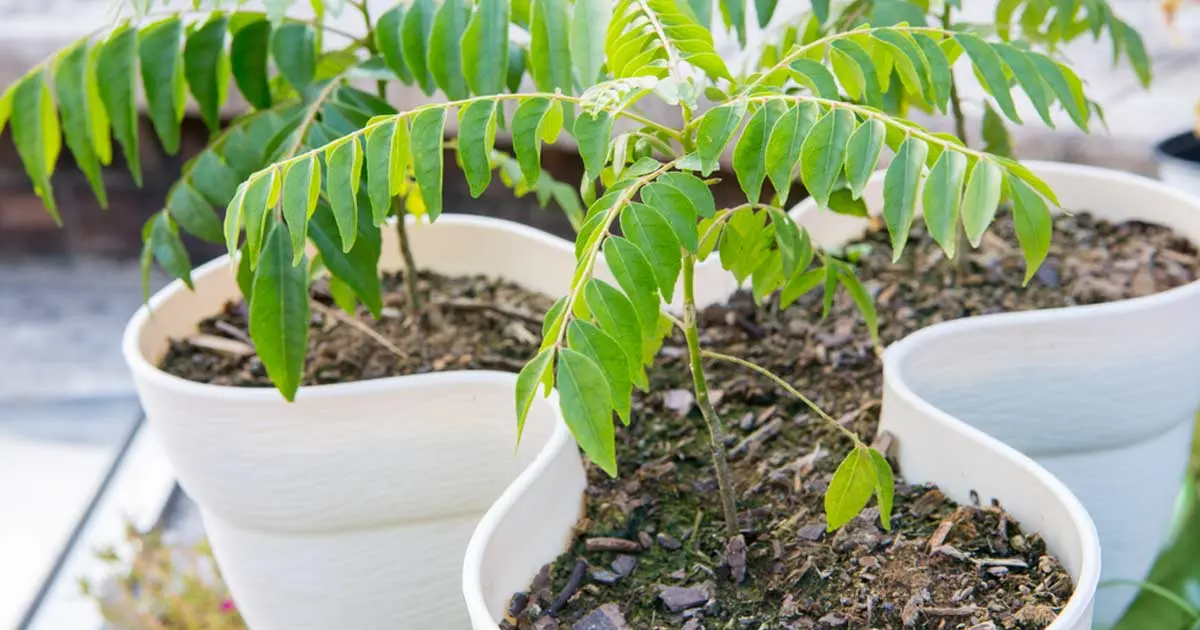
Growing Curry Leaf Plant in Pots: A Complete Guide for Beginners
If you’re a fan of authentic South Asian cuisine, you already know that nothing compares [...]
May
Reviews
There are no reviews yet.