
Tillandsia aeranthos Live Plant – Cold Hardy Air Plant – Indoor/Outdoor Decor
Original price was: $39.80.$19.99Current price is: $19.99.
Bring exotic charm to your space with a Tillandsia aeranthos live plant. This beautiful cold hardy air plant requires no soil, making it a unique and low-maintenance addition to any indoor or outdoor display. Perfect for beginners and experienced plant enthusiasts alike.
Estimated arrival
Oct 11
Oct 16 - Oct 18
Oct 21 - Oct 25

Reasonable Price
We offer reasonable price

Support 24/7
Contact us 24 hrs a day

100% Money Back
You've 30 days to Return

Payment Secure
100% secure payment
Overview
Introduce a touch of natural artistry into your home or garden with the exquisite Tillandsia aeranthos live plant. This captivating epiphyte, commonly known as the Air Plant, is renowned for its ability to thrive without soil, drawing all its necessary nutrients and moisture directly from the air. The Tillandsia aeranthos is particularly celebrated for its striking appearance and resilience, making it a fantastic choice for both novice and seasoned plant collectors. Its unique growth habit allows for creative display options, from terrariums and decorative holders to mounting on driftwood or bark. As a cold hardy air plant, it exhibits a greater tolerance to cooler temperatures compared to many other Tillandsia species, broadening its appeal for various climates and outdoor applications in protected environments. This fascinating plant is not only a decorative piece but also a living testament to nature’s adaptability.
Key Benefits
The Tillandsia aeranthos live plant offers a multitude of benefits, making it a highly desirable addition to any plant collection. Its unique characteristics provide both aesthetic appeal and practical advantages.
- Low Maintenance Elegance: Unlike traditional potted plants, the Tillandsia aeranthos requires no soil, significantly reducing the effort involved in planting and repotting. Its minimal care needs make it an ideal choice for busy individuals or those new to plant care, offering beauty without demanding constant attention.
- Versatile Decor: The compact size and distinct form of this air plant allow for incredible versatility in decoration. It can be nestled in decorative bowls, hung in geometric containers, mounted on natural elements like cork or wood, or even arranged in living walls, adding a modern and organic touch to any decor style.
- Air Purification: While not as pronounced as larger houseplants, air plants contribute to improving indoor air quality by absorbing pollutants and releasing oxygen. Having a few of these natural air purifiers can subtly enhance the freshness of your living spaces.
- Unique Growth Habit: The epiphytic nature of the Tillandsia aeranthos means it grows on other plants or objects for support, providing a fascinating botanical spectacle. This unique characteristic makes it a conversation starter and an educational piece about plant diversity.
- Cold Hardiness: As a cold hardy air plant, Tillandsia aeranthos is more forgiving of temperature fluctuations than many other air plant varieties. This resilience offers greater flexibility for placement, including sheltered outdoor areas in appropriate climates, extending its decorative potential.
- Easy Propagation: Over time, mature Tillandsia aeranthos plants will produce ‘pups’ or offsets, allowing you to easily propagate new plants. This natural process provides an endless supply of beautiful air plants to expand your collection or share with friends.
- Beginner-Friendly: For those looking for an easy entry into the world of houseplants, an air plant for beginners like the Tillandsia aeranthos is perfect. Its straightforward care routine and forgiving nature build confidence in new plant parents.
Plant Care & Growing Tips
Caring for your Tillandsia aeranthos live plant is surprisingly simple, especially once you understand its basic needs. These unique plants thrive with a consistent routine that mimics their natural environment. The key to successful care lies in proper watering, adequate light, and good air circulation.
Sunlight Requirements: Tillandsia aeranthos prefers bright, indirect light. Indoors, place it near a window with filtered sunlight, such as an east or north-facing window, or a few feet away from a south or west-facing window. Direct, intense afternoon sun can scorch its leaves, especially in hotter climates. If kept outdoors, choose a location with dappled shade or morning sun and afternoon shade. Good air circulation is crucial, so avoid placing it in enclosed, stagnant spaces.
Watering Schedule: The most common method for watering air plants is soaking. Submerge your Tillandsia aeranthos in room-temperature water for 20-30 minutes once a week. After soaking, gently shake off excess water and allow the plant to dry completely in an airy location within 2-4 hours. Do not let water sit in the crevices of the plant for extended periods, as this can lead to rot. If your environment is particularly dry or warm, you may need to mist your plant 2-3 times a week between soaks. Signs of dehydration include curled or shriveled leaves.
Soil Type and Drainage: As an air plant, Tillandsia aeranthos does not require soil. It absorbs nutrients and moisture through its specialized leaves, called trichomes. This unique characteristic makes it an excellent choice for creative displays where soil would be impractical. Ensure good air circulation around the plant, as this is vital for its health and prevents fungal issues.
Temperature Range and USDA Hardiness Zone: While considered a cold hardy air plant, Tillandsia aeranthos thrives in temperatures between 50°F and 90°F (10°C to 32°C). It can tolerate brief dips to around 40°F (4°C) but prolonged exposure to freezing temperatures will be detrimental. For outdoor cultivation, it is best suited for USDA Zones 9-11, where frost is rare or mild. In colder zones, bring the plant indoors when temperatures drop below 50°F.
Fertilization: Fertilizing air plants is not strictly necessary but can encourage growth and blooming. Use a specialized Tillandsia fertilizer or a general-purpose liquid fertilizer diluted to 1/4 strength, applied once a month during watering or misting. Avoid fertilizers with urea, as it can be harmful to air plants.
Common Problems: The most common issues with Tillandsia species include rot from overwatering (indicated by a mushy base) and dehydration (indicated by dry, crispy, or tightly curled leaves). Ensure thorough drying after watering to prevent rot, and adjust soaking frequency if leaves appear dry. Pests are rare but can include mealybugs; treat with a diluted neem oil solution if necessary.
Size & Details
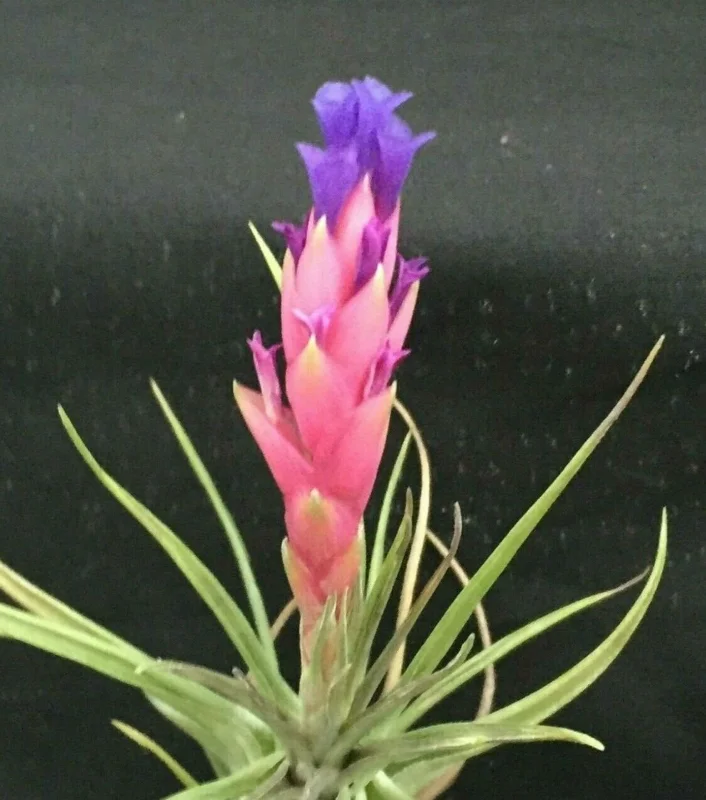
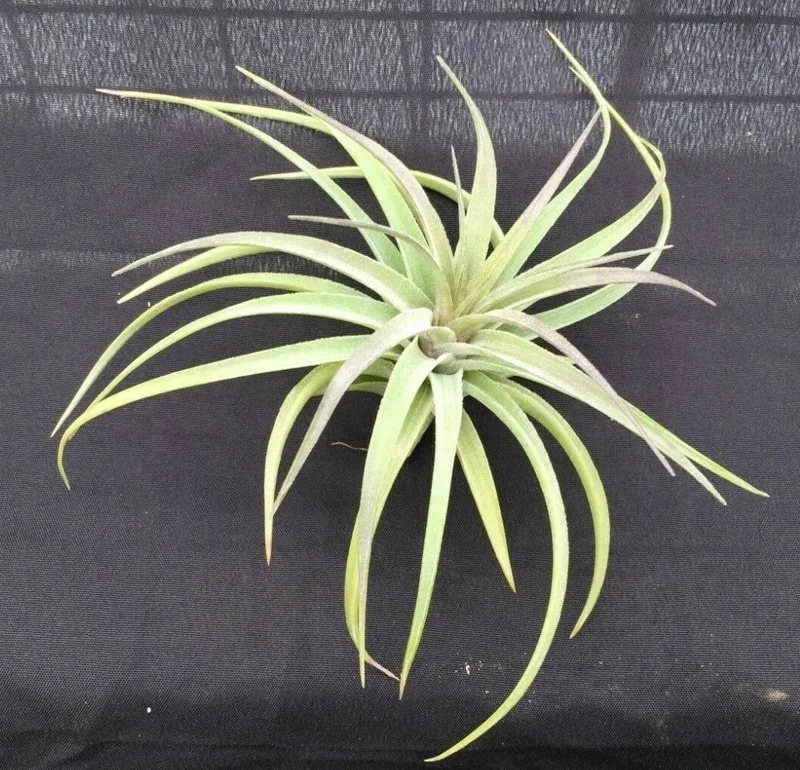
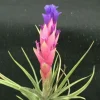
The Tillandsia aeranthos live plant typically grows to a height of 4-6 inches (10-15 cm) with a similar spread, forming a compact and attractive rosette. Its leaves are generally a vibrant green, often with a silvery-gray hue due to its trichomes, which become more prominent in brighter light. When mature, it produces a stunning flower spike (inflorescence) that can be pink or red, with beautiful purple-blue tubular flowers emerging. This blooming period often indicates the plant is nearing the end of its life cycle, but it will produce ‘pups’ (offsets) from its base before it eventually fades, ensuring its legacy continues. Each plant is shipped as a healthy, bare-root specimen, ready for you to display in your chosen creative arrangement.
Frequently Asked Questions
- Q: How big does this plant get? A: The Tillandsia aeranthos live plant typically grows to about 4-6 inches tall and wide. Its compact size makes it ideal for a variety of display options, from small terrariums to mounted arrangements.
- Q: Is this an indoor or outdoor plant? A: While primarily grown indoors, the Tillandsia aeranthos can thrive outdoors in warm, humid climates (USDA Zones 9-11) where it is protected from direct sun and extreme cold. It is considered a cold hardy air plant, but still needs protection from frost.
- Q: How much sunlight does it need? A: This Tillandsia species prefers bright, indirect light. Avoid direct, intense sunlight, especially during the hottest parts of the day, as it can scorch the leaves. Filtered light or morning sun is ideal.
- Q: Is this plant easy to care for? A: Yes, the Tillandsia aeranthos is considered an air plant for beginners. It’s very low maintenance once you establish a consistent watering and light routine. The biggest mistake is usually overwatering (leading to rot) or underwatering (leading to dehydration).
- Q: What condition will it arrive in? A: Your Tillandsia aeranthos live plant will arrive as a healthy, bare-root specimen, carefully packaged to ensure its safety during transit. It will be ready for immediate display upon arrival.
- Q: How do I water a Tillandsia aeranthos? A: The best method is to soak the entire plant in room-temperature water for 20-30 minutes once a week. Afterward, gently shake off excess water and let it dry completely within a few hours to prevent rot.
- Q: When is the best time for it to bloom? A: Tillandsia aeranthos typically blooms in spring or early summer, producing beautiful pink or red bracts with purple-blue flowers. Blooming usually occurs when the plant reaches maturity.
- Q: Is this air plant pet-safe? A: Yes, Tillandsia species, including Tillandsia aeranthos, are generally considered non-toxic to pets, making them a safe choice for homes with cats, dogs, and other animals.
- Q: Can I use tap water for watering? A: It’s best to use filtered water, rainwater, or dechlorinated tap water. Hard water can leave mineral deposits on the leaves, which can eventually hinder the plant’s ability to absorb moisture and nutrients.
- Q: What’s the minimum temperature it can tolerate? A: While it’s a cold hardy air plant, it’s best to keep it above 50°F (10°C). It can tolerate brief periods down to around 40°F (4°C), but prolonged exposure to temperatures below this can cause damage or death.
Be the first to review “Tillandsia aeranthos Live Plant – Cold Hardy Air Plant – Indoor/Outdoor Decor”
-
USDA Hardiness Zone
USDA zones 9-11 (outdoors with protection), indoors year-round -
Soil Type
No soil required (epiphytic) -
Sunlight Exposure
Bright indirect light -
Expected Planting Period
Year-round indoors
People Also Viewd


Sold 134 products
Original price was: $3,536.00.$23.99Current price is: $23.99.

Sold 132 products
Original price was: $27.00.$24.00Current price is: $24.00.

Sold 132 products
Original price was: $89.99.$64.99Current price is: $64.99.

Sold 125 products
Original price was: $86.99.$66.99Current price is: $66.99.

Flower Bulbs
3 Cranesbill Wild Geranium Organic Maculatums Bare Roots | Wildflower for Outdoor Garden
Sold 116 products
Original price was: $21.99.$9.99Current price is: $9.99.

Sold 114 products
Original price was: $28.99.$17.99Current price is: $17.99.
Sold 110 products
Original price was: $63.99.$28.99Current price is: $28.99.
Sold 108 products
Original price was: $28.99.$17.99Current price is: $17.99.RELATED posts
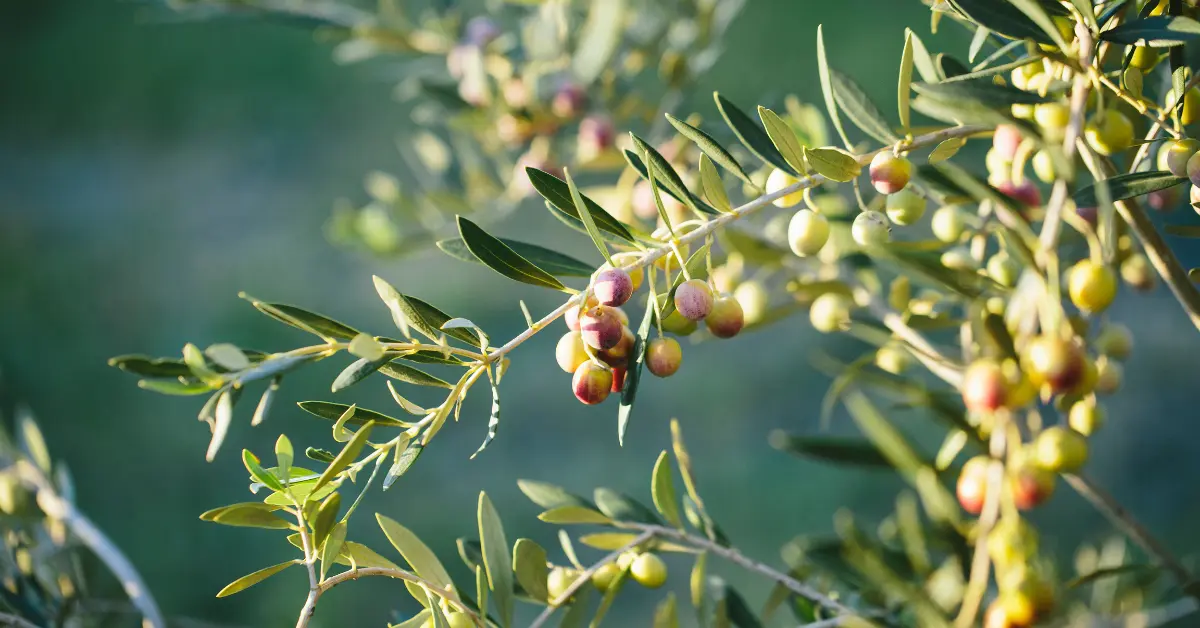
How to Grow Arbequina Olive Trees: The Ultimate Guide to Your Own Olive Grove
Arbequina Olive Tree (Olea europaea ‘Arbequina’) – the ultimate Mediterranean plant that brings a touch [...]
Oct
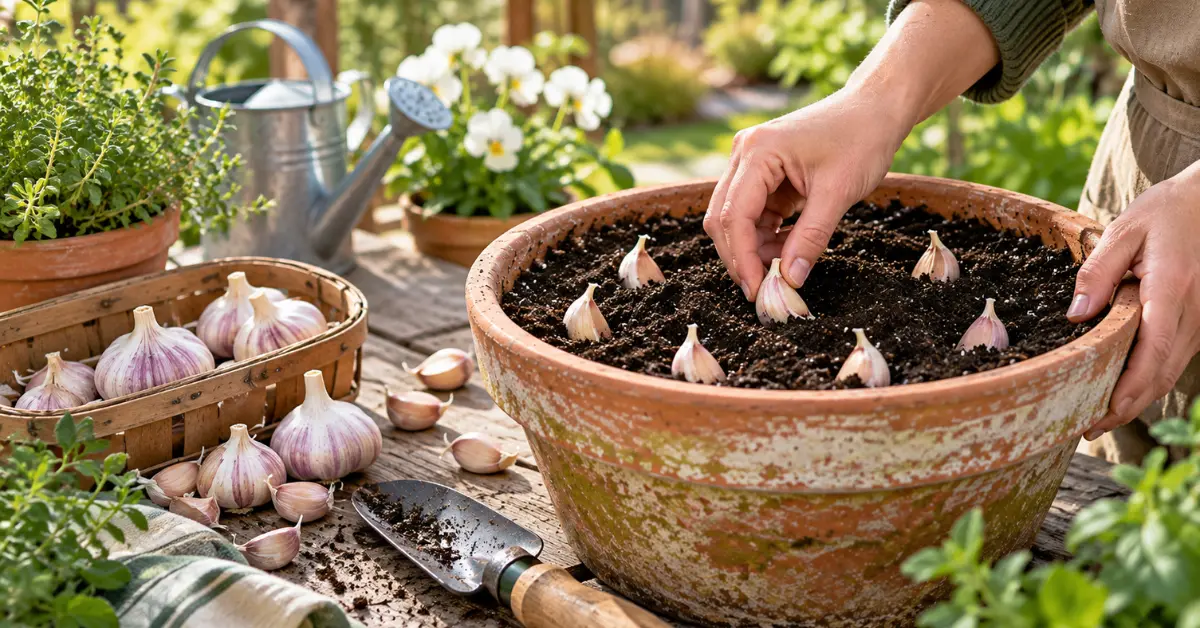
Growing Garlic in Containers This Fall: A Complete Guide for Beginners
If you’ve ever wanted to pop fresh, aromatic garlic cloves straight from your own patio [...]
Sep
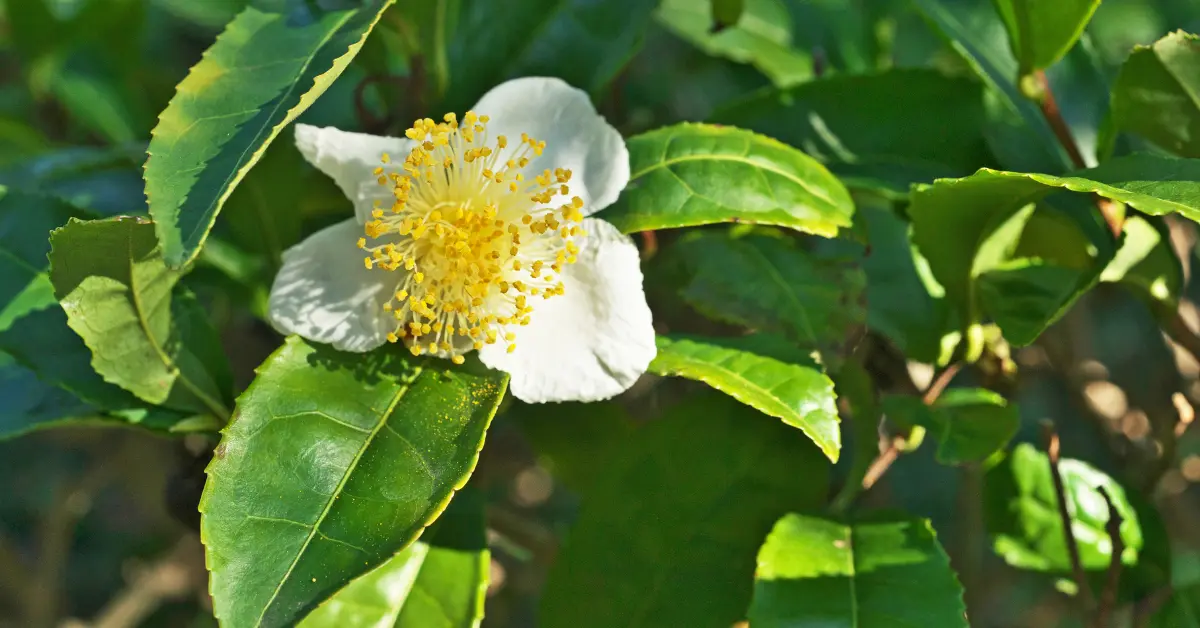
Growing Camellia Sinensis (Tea Plants) in Containers: A Complete Guide for Beginners
If you’ve ever wanted to sip a steaming, homegrown cup of fresh green, black, or [...]
Aug
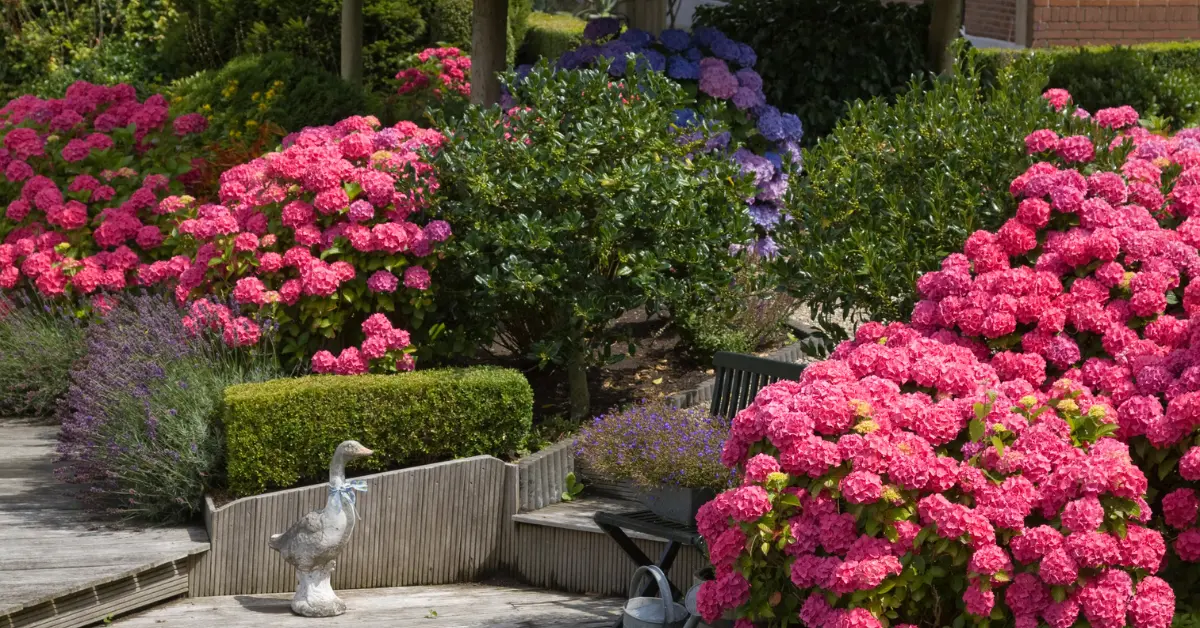
6 Best Shrubs to Plant in August You Must Try
Have you ever walked through a nursery late in the summer, admired the vibrant shrubs [...]
Aug
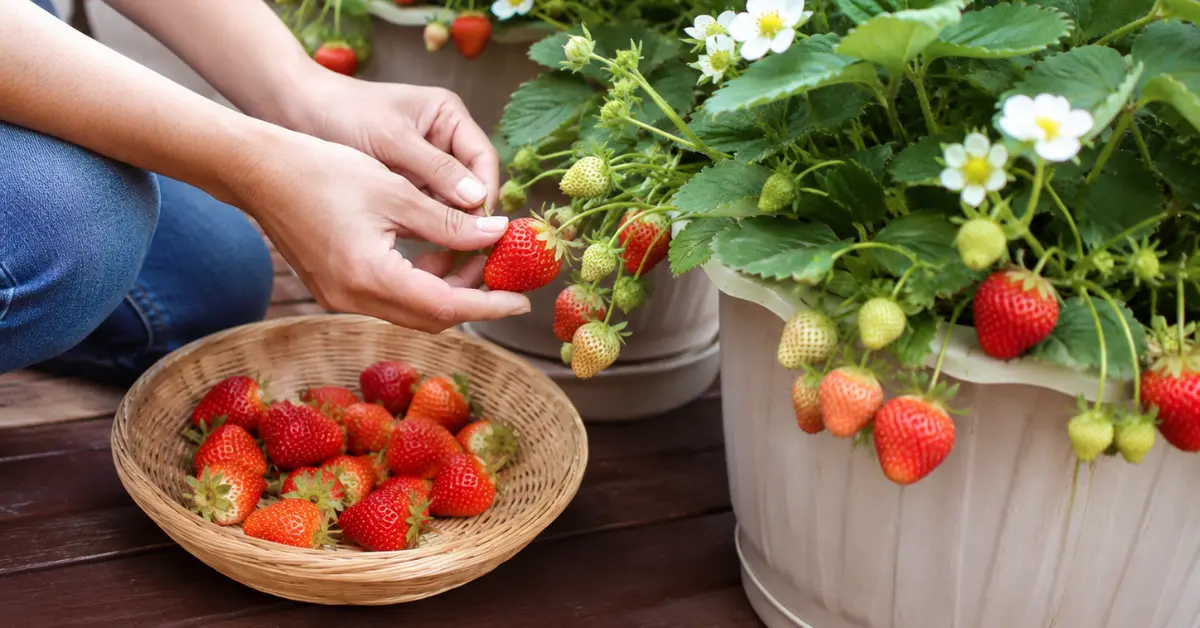
Growing Everbearing Strawberries in Containers: A Complete Guide for Beginners
Want to grow sweet, fresh strawberries but do not have a large garden? Everbearing strawberries [...]
Aug
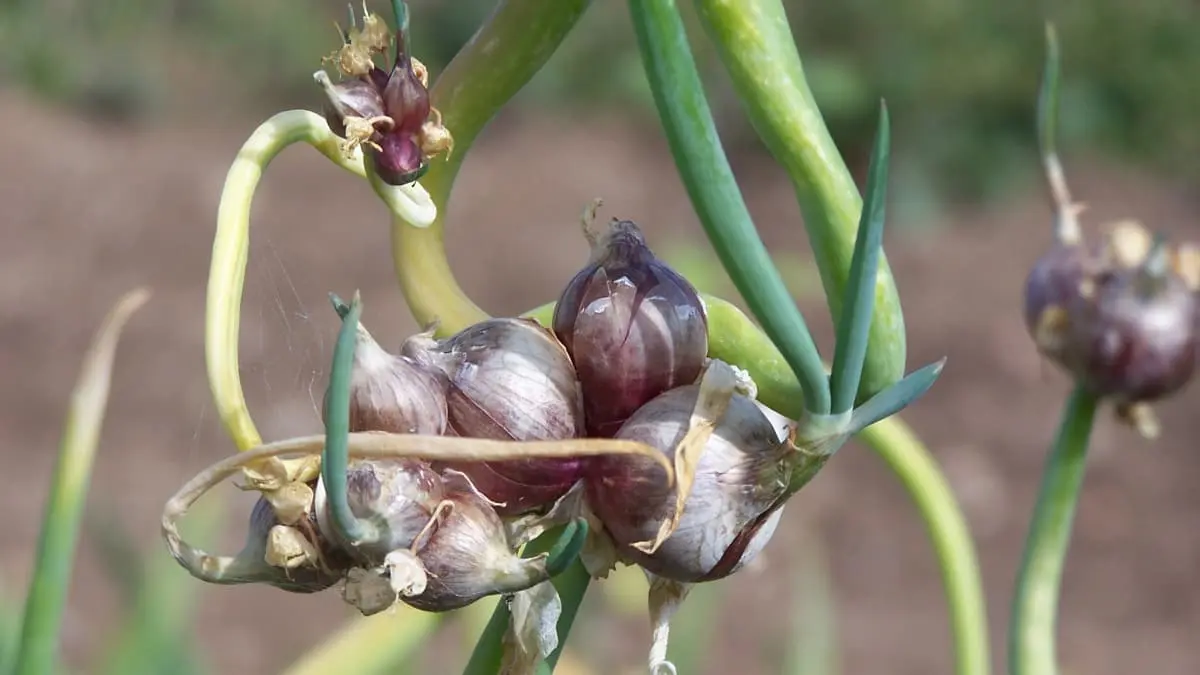
Growing Egyptian Walking Onions in Containers: A Complete Guide for Beginners
If you’re looking for a hardy, no-fuss perennial onion that keeps on giving year after [...]
Jul
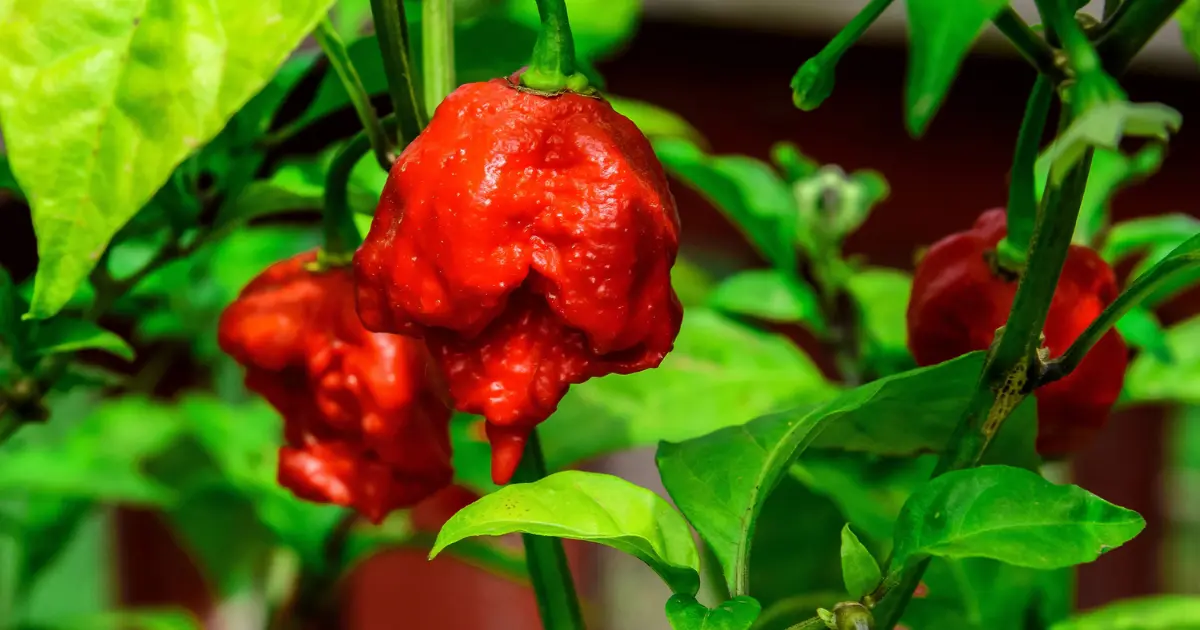
Growing Carolina Reaper Peppers in Pots: A Complete Guide for Beginners
If you’ve ever wanted to add some serious, record-breaking heat to your home cooking, you’ve [...]
May
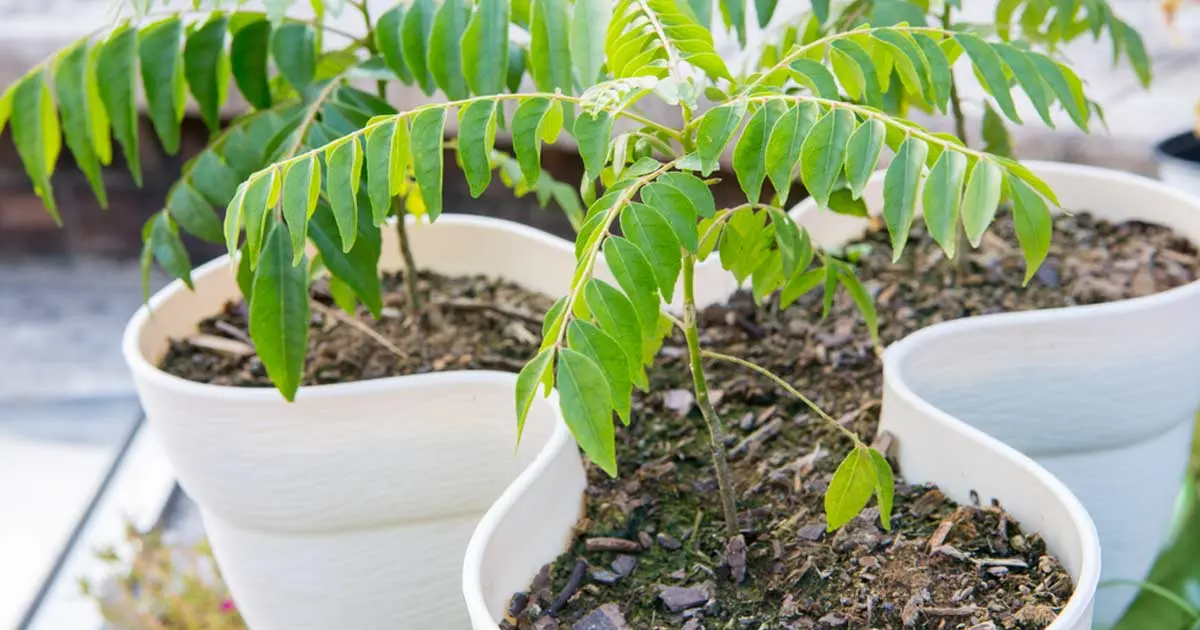
Growing Curry Leaf Plant in Pots: A Complete Guide for Beginners
If you’re a fan of authentic South Asian cuisine, you already know that nothing compares [...]
May
Reviews
There are no reviews yet.